Can a Space Heater Cause a Fire?
Worried about your space heater starting a fire? It’s a valid concern since these heaters can pose risks if not used carefully. The good news is that most fires happen when heaters are placed too close to flammable items or if electrical issues occur.
By understanding these hazards, you can keep your home safe while staying warm. Keep reading for practical safety tips you can follow right now.
Yes, Space Heaters Can Cause Fires: Here’s Why
Space heaters can cause fires if not used properly. Placing a heater close to drapes, furniture, or bedding increases the risk of ignition. Always keep items at least three feet away from the heater to prevent contact with hot surfaces or exposed coils, which can ignite materials almost instantly. Poor maintenance, such as ignoring damaged cords or worn plugs, also raises electrical fire risks. Using extension cords or power strips with high-wattage heaters—like 1,500-watt models—can cause overheating and melting. Unlike a well-maintained reed diffuser that passively disperses fragrance without heat or electrical risk, a space heater demands constant vigilance. Thoroughly removing dust and debris from the fan blades and vents of any heating device can also reduce fire hazards by preventing buildup that may ignite. Never leave a space heater on while sleeping or unattended, and check if your unit has automatic shutoff features to reduce the chance of fire hazards. Proper safety measures are essential to prevent fires caused by space heaters. Additionally, choosing a heater with certified safety standards can significantly lower the risk of malfunction.

Superior Thermal Retention: Crafted from advanced aluminized Mylar, these foil emergency blankets are designed to retain up to 90% of body heat, providing crucial warmth in survival situations. A trusted addition to your survival gear and supplies.

Emergency Mylar Thermal Blankets - Emergency Blanket,Space Blanket,Thermal Blanket,Mylar Blanket,Survival Blanket.Our durable advanced aluminized Mylar blankets are perfect for civilian bug out bags, go-bags, and home/auto emergency kits.
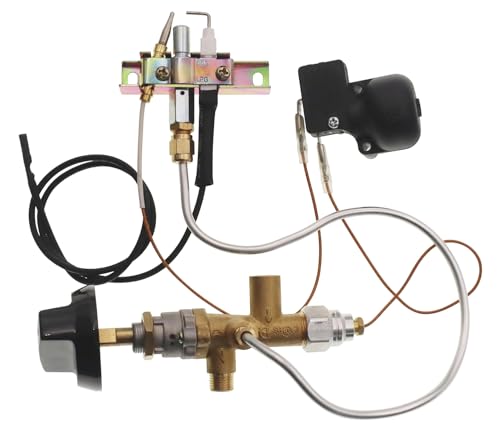
Pilot thread is M8*1 for copper tube,Wire length: 25cm on pilot burner & 20cm for spare wire,Terminal: Flat 4.8mm universal
How Many Fires Do Space Heaters Really Cause?
Space heaters are responsible for about one-third of all residential heating fires, which averages roughly 14,737 fires annually out of a total of around 44,210 fires caused by heating equipment. These fires result in approximately nine out of ten deaths linked to heating-related incidents. The risk peaks during January when a quarter of portable heater fires occur, but overall fire counts have declined significantly—from over 70,000 in 2000 to less than 50,000 since 2015. This drop highlights improvements in heater durability and fire prevention efforts. Nevertheless, because most of these fires are preventable, maintaining your unit and following safety guidelines are crucial for avoiding tragedy during cold months. In a similar way, choosing a modern ceiling fan with light can help circulate air without the combustion risks associated with space heaters. For those seeking seasonal cool relief, best window air conditioners offer a safer alternative to portable heaters. For a more flexible cooling option, consider portable air conditioners that provide similar relief without the fire risk.
Why Keeping a 3-Foot Safety Zone Is a Must
Maintaining at least a 3-foot safety zone around your space heater is essential for fire safety. This clear radius acts as a protective barrier, keeping combustible materials such as curtains, bedding, sofas, rugs, and clothing at a safe distance from the heat source. It is important to also keep children, pets, and the power cord outside this zone. Avoid running cords under furniture, where they can overheat or become damaged, increasing the risk of fire. By consistently maintaining this three-foot buffer, you significantly lower the chance of ignition, making fire prevention an easy, everyday habit. This space also helps prevent accidental contact burns, which can cause injuries. No matter how small or harmless your heater appears, never compromise on this three-foot rule. It is your most reliable line of defense against fires and injuries. Unlike humidifiers, which manage moisture levels, a space heater is a direct heat source, so understanding the fire risk comparison between different home appliances can help you prioritize safety. Many pests like centipedes thrive in damp environments, so using a dehumidifier for centipedes can dramatically reduce their presence while you focus on heater safety. For those seeking a safer alternative to elevate a room’s ambiance without direct heat, exploring top aromatic oils for your diffuser can be a smart, low-risk choice.

MILKHOUSE STYLE DESIGN: Features a traditional, rugged utility shape suitable for garages, basements, or workshops.
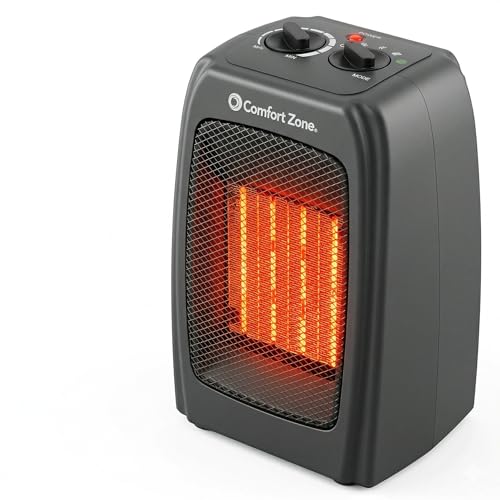
COMPACT DESKTOP DESIGN: Space-saving footprint designed specifically for personal use on desks and in small rooms.

2-IN-1 HEATER & FAN: Provides convenient year-round comfort with both space heating and fan-only air circulation for home, office, or personal use.
What’s the Most Common Reason a Space Heater Starts a Fire?
The most common reason a space heater starts a fire is placing it too close to flammable materials. Items like curtains, bedding, or furniture might seem harmless, but a portable heater’s heating element can get hot enough to ignite them instantly. Many overlook the risk of gradual overheating caused by blocked airflow, which allows heat to build up until nearby objects smolder. Without proper ventilation, this risk rises significantly. Even if you wear fire-resistant clothing nearby, a small spark can still reach combustible materials. Operating a space heater unattended makes the situation worse, as you’re not there to catch problems early. Fires can ignite when combustible materials are within 3 feet of the heater. To prevent fires, always maintain at least a three-foot clearance around your heater—this simple rule is your best defense. Using a bedroom dehumidifier can also help reduce moisture that might otherwise worsen fire damage if a heater were to malfunction. For those already dealing with respiratory issues worsened by dry indoor air, choosing a model that also provides balanced humidity control can make the environment safer and more comfortable.

Powerful heat that fits everywhere: DREO space heaters for indoor combines Hyperamics 1500W advanced PTC system with a new heat funnel design to deliver heat within seconds and enhance warm air circulation for up to 200% farther reach than traditional heaters.

2 in 1 heater fan: This ceramic heater offers dual heating modes (1500W/750W) plus a cool air fan, making it ideal for both winter and summer. With automatic thermostat control, it cycles on and off to maintain your preset temperature without any manual adjustment. A practical and thoughtful gift for working from home, or for family, friends, and colleagues during the cold season.

CUSTOMIZABLE HEATING OPTIONS: Choose from three settings to suit your needs - High (1500W), Low (900W), or Fan Only for air circulation without heat.
Avoid These Electrical Mistakes With Space Heaters
Plugging a space heater into a power strip is a dangerous mistake. Power strips typically lack the capacity to handle the high current of a heater, which can cause internal overheating and increase the risk of fire. Sharing a circuit with other high-wattage appliances can overload the electrical system, tripping breakers or melting wires. Always plug your space heater directly into a dedicated wall outlet to ensure it receives enough power safely. If the plug feels hot during use, stop immediately—this signals a bad connection and possible resistance heating, which can lead to fire hazards. Avoid using extension cords or damaged cords, especially under rugs where trapped heat could ignite. Just as a diffuser needs proper placement and care for safety, regularly inspect outlets for discoloration; dark marks indicate a potentially serious electrical problem that should be addressed. Some air purifiers with humidifiers also require direct wall connections to avoid circuit overloads from high-wattage devices. For the best safety, choose a unit with automatic shutoff features, as top-rated space heaters often include overheat protection to reduce fire risk. Stick with direct, properly inspected connections to keep your home safe while keeping warm. Never plug multiple space heaters into outlets on the same circuit, as this can cause overloads and trip breakers.

180° Rotatable Plug: Brightown plug in heater features a unique 180° rotatable plug design to flexible installing in any standard wall outlet. Measuring 4.0 x 4.5 x 6.9 inches, it's compact and portable without taking up floor space, making it the perfect heater for indoor spaces like bathrooms, bedrooms, offices, dorm rooms, and desks

Widespread Warmth: DREO's 120° wide oscillation heating distributes warm air evenly from top to bottom, helping to bring fast heat to every corner of your room more efficiently than regular wall-mounted heaters.

FAST 3-SECOND CERAMIC HEATING: Built with a PTC ceramic heating element, this 450W wall outlet heater releases warm air in just 3 seconds. Plug it into any standard 120V grounded outlet and get instant targeted warmth, with no cords on the floor and no floor space wasted.
Never Leave a Space Heater On Overnight
Never leave a space heater running overnight. Doing so significantly raises your fire risk while you’re asleep and unable to respond to problems. The main hazard is that the heater operates unattended—you might not notice if it tips over, overheats, or sparks until it’s too late. A small malfunction can quickly result in a major fire during hours of continuous use. According to safety guidelines, space heaters are involved in most fatal home heating fires and should never be used while sleeping. For safe overnight use, always turn the heater off before going to bed. This simple step helps prevent ignition from nearby curtains, bedding, or furniture that might shift closer during the night. Keep the heater at least three feet away from anything flammable and place it on a hard, flat surface to ensure stability. Don’t depend solely on tip-over protection; electrical faults can still cause fires. Instead, use a programmable thermostat to control the temperature safely and reduce hazards. For alternative background safety, a cool mist humidifier can improve indoor air quality without such fire risks. Remember, running a heater while you’re unconscious is never safe.
What Safety Features Stop a Heater Fire?
Safety features like tip-over shutoff and overheat protection are essential for preventing heater fires. Ensure your heater is equipped with a tip-over switch that instantly cuts power if knocked over, preventing potential accidents. Overheat sensors automatically shut the unit down when internal temperatures rise too high, reducing the risk of ignition caused by blocked airflow or internal malfunction. While these features help prevent fires, it is important to note that carbon monoxide poisoning can occur with unvented or improperly used fuel-burning space heaters. Essential oil diffuser oils should never be placed near or inside a space heater, as their flammable properties can increase the risk of fire.
Prioritize heaters with safety certification from recognized labs like UL or ETL. These certifications confirm that independent testing has verified the effectiveness of safety features, including shutoffs and guarding. Robust guarding features keep combustible materials away from hot surfaces and heating elements.
Additionally, a cool-touch exterior prevents burns during operation, and using a GFCI or ALCI plug in damp areas adds extra safety. Always plug your heater directly into a wall outlet—never into an extension cord—to avoid overheating and electrical hazards. To further reduce risk, maintain a clear zone of at least three feet around the heater, as combustible materials like curtains or bedding can easily ignite if placed too close. Combining these safety features significantly lowers the fire risk and ensures safer daily use of your space heater.

Powerful & Compact Heating – Delivering up to 1000 watts of heat, this Aiwa ceramic space heater offers strong performance in a portable design. Measuring 7.6” x 3.9” x 5.5”, it provides effective warmth without taking up much space, making it perfect for desktops, countertops, under desks, and personal areas in homes, offices, or dorm rooms.

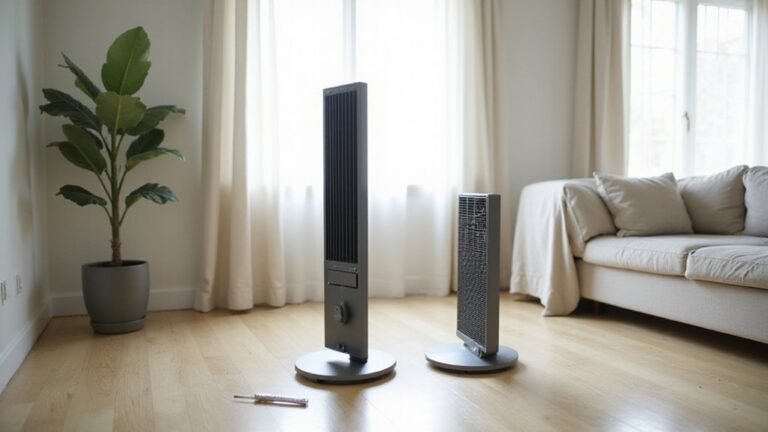
High-Powered Heating Performance – Delivering up to 1500 watts of ceramic heating power, this Aiwa tower heater provides fast, efficient warmth for bedrooms, living rooms, offices, or any indoor space. Its tall 18” design allows heat to spread more effectively, while the compact footprint saves space and keeps the unit easy to position wherever additional heat is needed.

High-Powered Heating Performance – Delivering up to 1500 watts of ceramic heating power, this Aiwa tower heater provides fast, efficient warmth for bedrooms, living rooms, offices, or any indoor space. Its tall 18” design allows heat to spread more effectively, while the compact footprint saves space and keeps the unit easy to position wherever additional heat is needed.
Is Your Heater’s Cord a Fire Hazard?
Your heater’s cord can turn into a fire hazard if it’s damaged or not rated for your device’s current. Space heaters draw up to 12 amps, and any weak link—such as cracks, frays, or exposed wires—can create resistance. This resistance heats up quickly, increasing the risk of fire. You’ll often feel a hot plug or cord before flames appear, so never ignore that warning. Always inspect the cord thoroughly before every use and replace the unit immediately if you notice damage.
Using extension cords or power strips with your heater significantly raises the risk of a fire. These devices are not designed for the high current draw of space heaters. If you must use an extension cord, select a heavy-duty one rated for the full load, but avoid tucking it under rugs or carpets where heat can trap. A warm cord is normal, but a hot one indicates trouble. To stay safe, plug the heater directly into a wall outlet whenever possible. Just as a dirty filter in a humidifier can cause overheating and component failure, a damaged or overloaded cord on a space heater generates dangerous heat buildup that can ignite nearby materials.
Can You Put a Space Heater on a Carpet?
Placing a space heater directly on a carpet is unsafe and should be avoided. Carpet placement increases fire risk because thick-pile or shaggy carpets trap heat near the heater’s base, which can cause the unit to overheat and ignite nearby fibers. Even low-pile carpets aren’t ideal since their surfaces are less stable, increasing the chance of the heater tipping over. The safest option is to put the heater on a level, flat surface like tile, wood, or laminate flooring. If you must use it on a carpet, place it on a nonflammable base such as a ceramic tile or a heat-resistant mat that extends beyond the heater’s footprint. Always keep the heater at least three feet away from anything combustible, including rugs and curtains, to minimize fire hazards.
Simple Habits That Slash Space Heater Fire Risk
Keeping a three-foot clearance around your space heater and placing it on a hard, nonflammable surface significantly reduces fire risk. Ensure the heater is plugged directly into a wall outlet, not an extension cord, as cords can overheat and cause fires. Always turn off the heater when leaving the room or going to bed to prevent accidental ignition. Regular maintenance is essential: inspect the cord and plug for damage before each use. Choose models equipped with a tip-over shutoff feature for added safety. Enhance your fire prevention by installing working smoke alarms on every level of your home. Keep children and pets away from the heater at all times, and never run the cord under rugs, which can trap heat and damage the cord over time. Following these simple habits turns a potential hazard into a safe and reliable heat source.