Can a Space Heater Cause Carbon Monoxide Poisoning?
Wondering if your space heater could be dangerous? The answer depends on the type you use.
Electric models are safe and produce no carbon monoxide, while fuel-burning heaters, like propane or kerosene, can pose a risk if not used properly.
Keep reading to learn how to stay safe and prevent CO poisoning in your home.
Which Space Heaters Produce Carbon Monoxide?
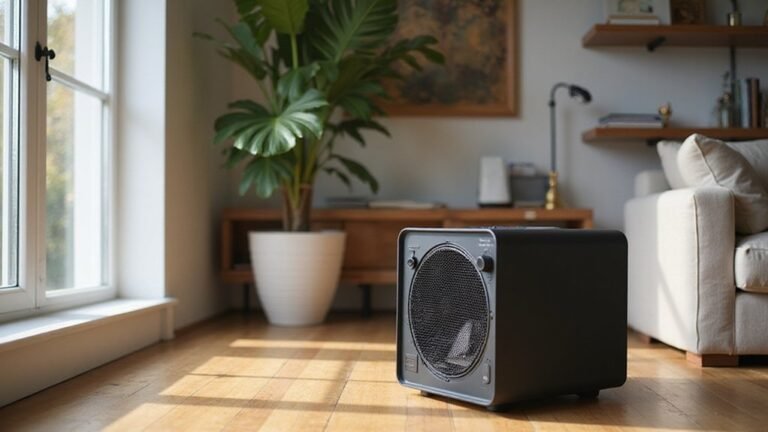
Fuel-burning space heaters, including natural gas, propane, kerosene, and wood-burning models, produce carbon monoxide as a combustion byproduct. These heaters are inherently risky because incomplete burning of fuel releases CO into the indoor air. Proper ventilation is critical when using these heaters; unvented gas or propane units can allow exhaust to accumulate indoors, significantly increasing your danger. Always ensure adequate airflow and regular maintenance to minimize CO buildup. Recognizing your heater’s fuel source and using it correctly are essential steps in protecting yourself from carbon monoxide exposure. For example, selecting a safer alternative like an electric window unit can eliminate this combustion risk entirely, though it requires a different installation approach. To further reduce risk, you should install carbon monoxide detectors in key areas of your home, which is a crucial precaution advised in safety guidelines. If you want a more flexible cooling solution, consider a portable air conditioner that also avoids combustion hazards entirely.

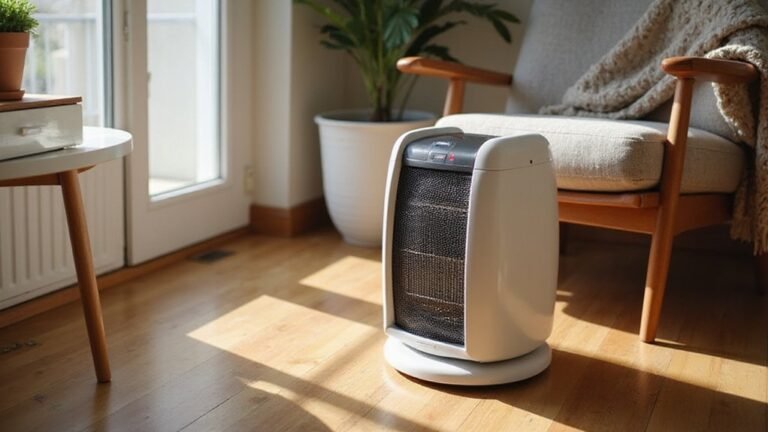
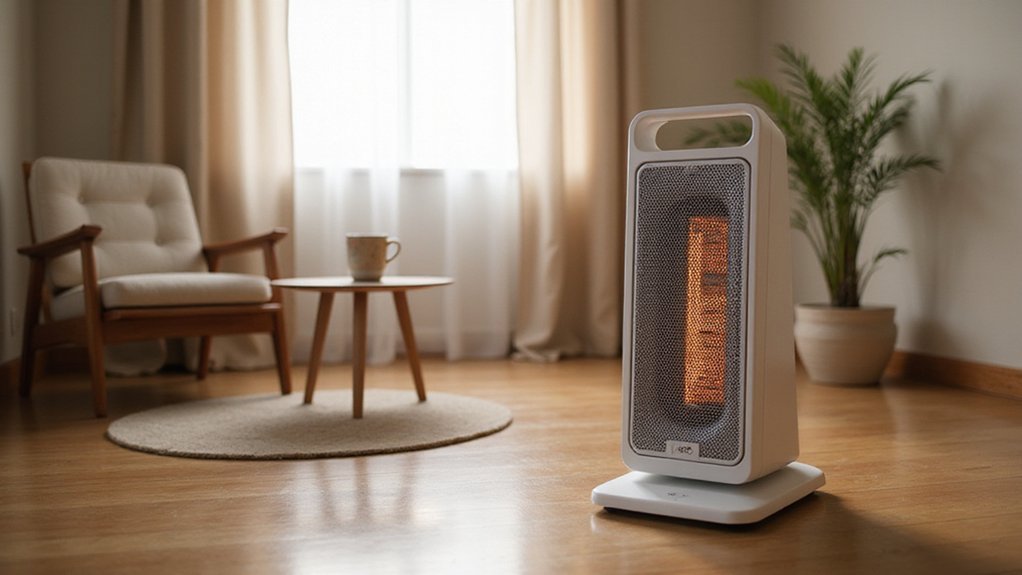
CUSTOMIZABLE HEATING OPTIONS: Choose from three settings to suit your needs - High (1500W), Low (900W), or Fan Only for air circulation without heat.

Widespread Warmth: DREO's 120° wide oscillation heating distributes warm air evenly from top to bottom, helping to bring fast heat to every corner of your room more efficiently than regular wall-mounted heaters.

Powerful heat that fits everywhere: DREO space heaters for indoor combines Hyperamics 1500W advanced PTC system with a new heat funnel design to deliver heat within seconds and enhance warm air circulation for up to 200% farther reach than traditional heaters.
Why Space Heaters Can Turn Carbon Monoxide Into an “Invisible Killer
Carbon monoxide from space heaters is extremely dangerous because it is an invisible, odorless gas that can accumulate rapidly without warning. Since you cannot see or smell CO, dangerous levels can build up silently, putting you at risk of poisoning long before you notice any symptoms. This gas deprives your body of oxygen, making exposure potentially life-threatening even if you feel fine initially. Proper ventilation is essential—never use a fuel-burning heater in small, enclosed spaces without fresh air exchange. Electric space heaters are a safer alternative, as they produce no CO. To stay protected, use a functional carbon monoxide alarm and ensure your heating equipment is well-maintained. Since your senses cannot detect CO, your best defense is reliable equipment and awareness of potential risks.
How a Space Heater Can Create a Carbon Monoxide Hazard
A space heater can create a carbon monoxide hazard only if it burns fuel; electric models produce no CO at all. The main risk arises from incomplete combustion when the heater uses propane, natural gas, or kerosene and doesn’t get enough oxygen. This incomplete burn releases carbon monoxide instead of producing full combustion, reducing heating efficiency and increasing fuel consumption because the fuel isn’t fully burnt.
Poor ventilation also contributes to the hazard. In a closed room, a fuel-burning heater consumes oxygen and directly exhausts CO into your space. Factors that worsen the problem include dirty burners, damaged flues, or using the wrong type of fuel, all of which impair proper combustion. An oversized heater accelerates oxygen depletion, heightening the risk. To stay safe, you need to ensure proper airflow and avoid using outdoor-style heaters indoors, as they are not designed for indoor ventilation and can produce dangerous levels of CO. Similarly, using a high-efficiency dehumidifier can help reduce indoor humidity, which deters pests like centipedes that thrive in damp conditions.

4,000 or 9,000 BTU radiant heat for customizable comfort

HEAT OUTPUT: Adjustable 6,000, 12,000, or 18,000 BTU settings provide radiant warmth for spaces up to 450 sq. ft.
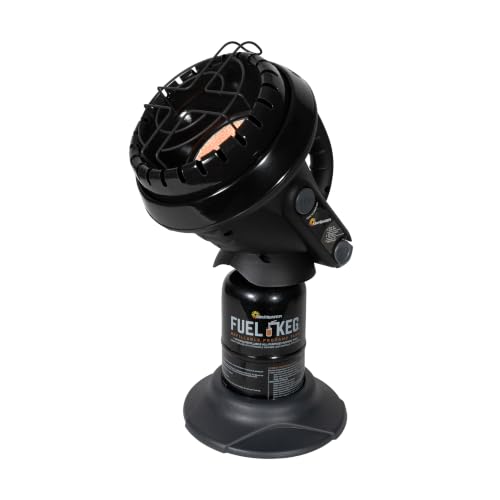
3,800 BTU radiant heat warms spaces up to 95 sq. ft.
Warning Signs of Carbon Monoxide Poisoning
Recognizing carbon monoxide poisoning early can be tricky because its symptoms often mimic the flu, but there are key differences. You’ll probably notice a persistent headache, dizziness, and nausea without a fever. Your heating safety relies on being aware of these signs. If you start to feel weak, confused, or short of breath, these are red flags indicating possible exposure. Blurred vision, rapid heartbeat, and drowsiness are also common warning signs. Symptoms can come and go, often worsening in one room and improving when you leave that area. When camping, using a portable air conditioner can avoid these risks by not producing carbon monoxide, unlike fuel-burning heaters. Pay close attention if multiple people in your home, including pets, start feeling ill at the same time. Do not ignore these signs—they signal dangerous exposure, not a passing illness.
What to Do If You Suspect Carbon Monoxide in Your Home
If you suspect carbon monoxide is present in your home—such as when your alarm sounds or you experience symptoms like headache, dizziness, nausea, or weakness—you must act immediately. Get everyone, including pets, outside to fresh air without delay and call 911 from outside the house. Do not re-enter until emergency responders confirm it is safe. Treat every alarm as a genuine emergency, even if there are no symptoms or if alarms are intermittent. Never ignore these alerts or dismiss them as false without professional verification. Using a humidifier for dry mouth can help improve air moisture and reduce irritation without introducing any combustion risks. To further reduce moisture-related concerns safely, choose a bedroom dehumidifier that operates without combustion.
Once outside, avoid restarting any fuel-burning appliances until authorities have inspected your home and identified the cause. After a suspected carbon monoxide incident, carefully check all fuel-burning devices such as furnaces, water heaters, fireplaces, or space heaters. If your home has recently undergone renovations, verify that vents, flues, and chimneys are unobstructed and properly functioning. For maintaining a safe environment, consider using best reeds for reed diffusers as a safer alternative scenting method rather than burning fuel-based products. Only have a qualified professional service any appliance that burns fuel before resuming use. Return appliances to operation only after emergency personnel declare your home safe.
When Is It Safe to Use a Fuel-Burning Space Heater Indoors?
You can safely use a fuel-burning space heater indoors only if it is specifically designed and vented for indoor use. Permanently installed or vented models are suitable, but unvented units should never be used inside your home due to the risk of carbon monoxide buildup and indoor pollution. Even vented heaters require strict ventilation; keep doors open to other parts of the house to help disperse pollutants and prevent hazardous concentrations.
Place the heater on a level, nonflammable surface and position it at least three feet away from anything flammable. Always install carbon monoxide detectors and smoke alarms in the room where you plan to use the heater. Never leave the heater running unattended or while sleeping, and never refuel it when it is operating or still hot.
Regular inspections by a qualified professional are essential—at least once a year—to ensure the heater’s safety and proper function. Keep all venting systems clear of obstructions, and check local building codes beforehand, as they may have specific requirements for indoor fuel-burning heater use.


CUSTOMIZABLE HEATING OPTIONS: Choose from three settings to suit your needs - High (1500W), Low (900W), or Fan Only for air circulation without heat.
How to Use a Space Heater Without Carbon Monoxide Risk
Using an electric space heater is the safest choice to avoid carbon monoxide (CO) risk because it produces no CO emissions. If you opt for a fuel-burning heater, ensure you select a vented gas model rather than an unvented one, as unvented units release gases directly into your indoor air. Always place fuel-burning heaters in well-ventilated areas to prevent CO buildup; never use them in closed rooms. Follow the manufacturer’s instructions precisely and routinely inspect vents, burners, and fuel lines for blockages or damage. Never use extension cords or power strips with electric heaters; always plug them directly into a wall outlet to prevent overheating. Install carbon monoxide alarms near bedrooms and on each level of your home to alert you to potential exposure, and test these alarms regularly. If you experience symptoms of CO poisoning—such as headache, dizziness, or nausea—immediately get fresh air and seek medical attention. Never leave a heater unattended while operating, and never refuel a hot fuel-burning heater to avoid accidental fires or gas leaks. For a more permanent cooling solution, consider how portable vs window air conditioners compare in performance and running cost for your space. For those seeking effective cooling, reviewing the top portable air conditioners can help you find a high-quality model for hot weather. Fuel-burning space heaters also carry fire and burn risks that require constant supervision and proper placement away from flammable materials.
Can You Sleep With a Space Heater Without Carbon Monoxide Risk?
No, you should not sleep with a space heater turned on, even if it is electric. Electric heaters are safe in terms of carbon monoxide because they do not produce combustion gases. However, leaving any space heater on overnight is risky because it can pose fire hazards and increase the chance of overheating or tipping over. While electric models do not emit carbon monoxide, other types like kerosene or vent-free propane heaters do produce this invisible, odorless gas and should never be used while sleeping. For those with respiratory concerns, using a top-rated air purifier can help remove allergens from the air during the day, but it does not replace the need to turn off the heater at night. The Consumer Product Safety Commission advises turning off portable heaters before going to bed to prevent accidents. If you want warmth overnight, use your home’s central heating system or a timer-controlled electric heater that automatically shuts off. Always prioritize safety over convenience when it comes to heating devices. For soothing dry throat symptoms, a humidifier for laryngitis can also add moisture to the air when used safely during waking hours. A high-quality activated carbon filter can effectively trap odors and volatile organic compounds, but it will not protect against carbon monoxide.