Can You Leave a Space Heater On All Night?
Leaving a space heater on overnight might seem like a quick fix for staying warm, but it’s risky. Even with safety features, the chance of fires from tipped-over units or overheated cords isn’t negligible.
There are around 1,700 fires happening each year due to this issue. Knowing how to stay warm safely can help you avoid dangerous surprises.
Here’s what you need to consider to keep warm without risking your safety.
Is It Actually Dangerous to Leave a Space Heater On All Night?
Leaving a space heater on all night is extremely risky and can be dangerous. Even with modern safety features, such as tip-over switches or automatic shut-offs, the danger remains. One major concern is electrical fires: the Consumer Product Safety Commission estimates portable heaters cause around 1,700 fires each year, resulting in approximately 70 deaths. While you’re asleep, you cannot monitor for issues like overheated outlets, damaged cords, or arcing plugs that might ignite nearby items. A heater could tip over or malfunction while unattended, and if it comes into contact with bedding or curtains, a fire could start before you wake up. By contrast, a properly installed window air conditioner offers a much safer way to cool a room overnight, as it does not produce open heat or require constant monitoring. For preventing moisture-related hazards in a basement, selecting a unit with high moisture removal is a safer alternative that does not involve open heating elements. Additionally, many older space heater models lack modern safety features, increasing the risk of fire.
Another risk is heat exhaustion or overheating. A heater running continuously in a closed room can cause temperatures to rise to unsafe levels. This internal heat build-up can increase your core body temperature, leading to dehydration, dizziness, or worse. Since the room temperature increases gradually, you might not notice the warning signs until it’s too late.
Experts from organizations like the Consumer Product Safety Commission and the Electrical Safety Foundation International agree: never leave a space heater on while you sleep. Turning off your heater before bed is a crucial safety step that can prevent fires and health risks.
Why Fire Risk Skyrockets While You’re Asleep
When you’re asleep, you lose all ability to monitor your space heater—and that’s exactly when fire risk skyrockets. You can’t see a curtain drifting into the heat zone or smell the first whiff of electrical odor. If the unit tips over or it overheats, it can go unnoticed for hours, turning a small issue into a rapidly spreading flame. Damaged cords hidden under rugs can arc during prolonged use, and overloaded plug connections can overheat under continuous current. Since you’re not awake to react, any fire that starts is free to grow while you are unconscious. Even if the heater is efficient, placing combustibles too close increases risk. Choosing a model with strong safety features like automatic shutoff and tip-over protection can significantly reduce these dangers. Skipping basic maintenance, like cleaning dust or inspecting the cord, only makes matters worse. Without your attention, silence and darkness can turn a manageable hazard into a house fire in no time. Using a soothing humidifier for dry air instead can address vocal comfort without the fire danger. Addressing window condensation instead with a dedicated dehumidifier can reduce the need to run a space heater all night.
Your Heater Needs These 3 Safety Features Before Bedtime
The three built-in safety features you need before bedtime are automatic shutoff, third-party certification, and a programmable timer. Automatic shutoff and a tip-over switch or overheat protection are essential because they cut power if the heater falls or runs too hot, significantly reducing fire risk. These features operate silently in the background, giving you peace of mind during overnight use. For a similar layer of quiet, dependable operation, consider how aromatic oils for diffusers can enhance your bedroom environment with a consistent, soothing scent.
Look for certification labels such as UL, ETL, or CSA to ensure reliable electrical grounding and that the heater’s wiring and housing meet safety standards. These third-party certifications verify that the product complies with safety regulations, providing an extra layer of security. Similarly, a dehumidifier can help control excess moisture that attracts pests like silverfish, improving overall home safety. To further reduce fire risk, a dehumidifier with automatic shutoff can also prevent continuous operation in unsafe conditions.
A programmable timer allows you to set a specific duration—typically around three hours—to warm the room and automatically turn off afterward. This prevents the heater from running all night and promotes even heat distribution without risking overheating or energy waste.
Always place the heater on a hard, level surface away from bedding or flammable materials. Ensure it has a cool-touch exterior and a stable design, which help decrease burn and tip-over risks. These three safety features and proper placement practices make overnight heater use considerably safer.

Smart Management: The HOPOCO Chicken Coop Heater is compatible with outlet timers and thermostatic plugs. It automatically turns back on when power is restored after an outage. For specific operation details, please refer to the user manual. (Note: Outlet timers and thermostatic plugs are not included.)

Smart Management: The TIMEBAL Chicken Coop Heater is compatible with outlet timers and thermostatic plugs. It automatically turns back on when power is restored after an outage. For specific operation details, please refer to the user manual. (Note: Outlet timers and thermostatic plugs are not included.)

ETL Listed Safety Standard: ETL Listed to UL 964 safety standard, this electric heated blanket ensures reliable use in cold winter days. Ideal for adults, parents and seniors seeking steady warmth at home.
How Close Is Too Close? The 3-Foot Rule Explained
The 3-foot rule means you should keep your space heater at least three feet away from anything that can burn. This includes curtains, furniture, bedding, papers, pillows, rugs, and electronics. The three-foot distance is a minimum requirement; anything closer increases the risk of fire. Taller heaters may need even more space to stay safe. Placing your heater under drapes, against a wall, or beside a bed violates safety guidelines, as accessible hand, blanket, or furniture contact makes it more hazardous. The rule also applies to children and pets—ensuring they cannot easily reach or knock over the heater. Additionally, avoid blocking airflow or allowing heat to build up around nearby objects. Always set your heater on a hard, level, nonflammable surface—not on carpet or furniture—and keep it away from hallways and exits. Since excess moisture can attract pests like centipedes, using a dehumidifier for centipedes helps address a different household hazard while you manage heating safety. For soothing a dry throat caused by heater use, a humidifier for laryngitis can provide relief by adding moisture to the air. For those with dry skin, a top humidifier for dry skin can also help restore comfort while using a heater. Following these placement rules significantly lowers your chance of a fire. Remember that most heater fires are avoidable when you adhere to safety guidelines.
Never Plug Into a Power Strip or Extension Cord
Never plug your heater into an extension cord or power strip. Always connect it directly to a dedicated wall outlet. Sharing outlets with other appliances increases the risk of overheating and fire. Extension cords are designed for electronics, which use less power, not high-wattage heating devices. If you notice your cord or plug feels hot, becomes discolored, or shows melted spots, stop using it immediately. These are clear warning signs of a dangerous electrical condition. The safest choice is a direct connection to a wall outlet—it’s simple and helps protect your home from electrical fires. Using a power strip or extension cord creates an overloaded electrical connection that can easily cause overheating and ignite a fire. Proper airflow around the heater is also critical, so keep it clear of bedding and curtains to maintain safe humidity levels and prevent any combustible materials from igniting. When cleaning a humidifier to ensure it functions safely alongside a heater, using a vinegar solution helps prevent bacteria growth that can compromise air quality. For long-term peace of mind, consider how air quality performance compares when selecting supplemental devices, since heaters and air purifiers both affect the overall environment of your room.

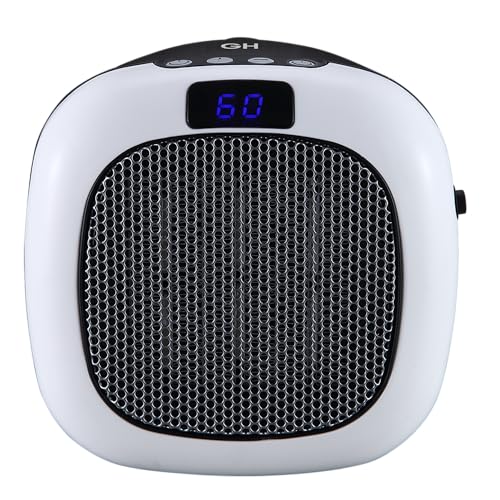
180° Rotatable Plug: Brightown plug in heater features a unique 180° rotatable plug design to flexible installing in any standard wall outlet. Measuring 4.0 x 4.5 x 6.9 inches, it's compact and portable without taking up floor space, making it the perfect heater for indoor spaces like bathrooms, bedrooms, offices, dorm rooms, and desks

EFFICIENT LOW-WATTAGE WALL HEATER: This wall-mounted heater is designed to provide targeted comfort in specific areas of your home. Its energy-efficient design allows it to supplement or replace your central heating system effectively. With low wattage and a safe design, it helps maintain a comfortable room temperature while minimizing energy consumption.

【Large Power Strip with Switch】-The high power extension cord converts a standard wall outlet into four 3 prong outlets, four 2 prong outlets, 3 USB ports(1 USB-C) with 4 individual switches onoff. A Individual switch vertically controls a 3-prong-outlet and one 2-prong-outlet. Avoid using two high-power electrical appliances simultaneously. If you are not planning to use any of these devices for the time being, please immediately turn off the power switch of the connected device.
Warning Signs That Your Space Heater Should Never Run Unattended
If your space heater shows burn marks, a hot outlet, or any discoloration, it should never run unattended. These signs indicate a failing electrical contact, which can cause dangerous electrical arcing and fires. A plastic odor also signals a fire risk and should never be ignored—it’s a warning, not a normal smell. Any melted plastic or frayed cords mean you must shut off the heater immediately to prevent potential hazards. Unlike a dedicated air purifier, a space heater lacks the multiple safety features of a sealed, filtered system for continuous operation. For optimal safety, never assume your heater can operate as reliably as a Vicks dehumidifier intended for extended use. A remote-controlled ceiling fan can provide safer air circulation without the fire risk of an unattended heater.
Listen for clicking, popping, or crackling sounds. These noises suggest unstable contact points or internal debris that could lead to malfunction or sparking. A loose plug or damaged switch increases resistance, generating excess heat and adding to fire risk. Never operate a heater that wobbles, sits on soft surfaces, or has blocked airflow. Keep combustible items like curtains or bedding at least three feet away. Leaving the room or falling asleep removes your ability to react quickly to sparks, tipping, or smoke. When you notice any of these signs, do not leave it unattended—unplug the heater immediately.
What to Do If You Absolutely Must Use a Heater Near Bedtime
If you absolutely must use a heater near bedtime, the safest approach is to pre-warm your bedroom 30 to 60 minutes before you plan to go to sleep and then turn it off completely before you get into bed. Place the heater on a hard, level, nonflammable surface at least three feet away from bedding, curtains, and furniture. Avoid setting it in high-traffic areas to reduce the risk of knocking it over. For electrical safety, plug the heater directly into a wall outlet—never use extension cords or power strips, as they can overheat or cause power surges. When you’re finished using it, unplug the unit rather than just switching it off. Keep your bedroom door closed after pre-warming to trap in the heat, and rely on blankets for warmth throughout the night. Always select a heater with built-in tip-over and overheat protection features for added safety. Even with these precautions, evaluating the risks shows that unattended space heaters still pose a significant fire hazard, so never leave one running while you sleep. According to safety guidelines, heaters should always be placed on a hard, level, nonflammable surface to minimize the risk of ignition.

Rapid Heating: This space heater delivers 1500W power for quick and warmth. The portable design allows placement by your feet on the floor, beside your hands on the office desk, or for carrying around indoors. It's also suitable for tent use. This compact heater can warm areas up to 200 square feet.

CUSTOMIZABLE HEATING OPTIONS: Choose from three settings to suit your needs - High (1500W), Low (900W), or Fan Only for air circulation without heat.
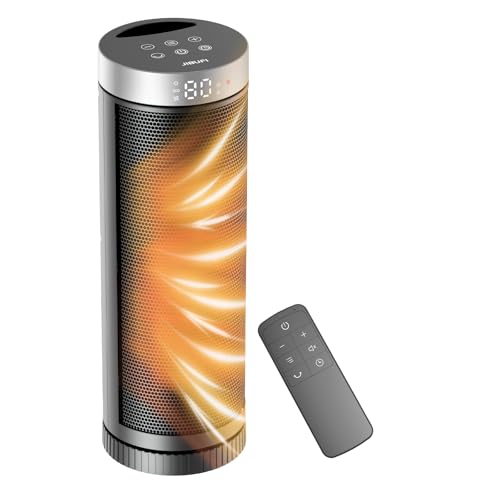
Three Power Settings: This indoor space heater offers three adjustable power levels—700W, 1000W, and 1500W—allowing you to switch freely based on ambient temperature and personal needs. Suitable for various indoor environments.
Stay Warm Without Running a Heater All Night: 5 Simple Alternatives
You can stay warm without running a heater all night by improving your bedding and adjusting your home setup. Start by layering flannel sheets, a heavy comforter, and extra blankets on your bed. This insulation traps your body heat effectively without using electricity. Next, seal drafts by installing heavy curtains and weatherstripping around windows to prevent warm air from escaping. An electric blanket uses only 50 to 200 watts and typically has an auto-off timer, providing warmth safely and efficiently. Programming your thermostat to heat the room before you wake and then turning it off helps maintain comfort while conserving energy. Additionally, wear thermal pajamas and socks, and pre-warm your bedroom by using a fan heater or space heater earlier in the evening, then turn it off before sleeping. These simple steps keep you cozy throughout the night without relying on a space heater.

PLUSH & WARM: Our premium fleece sheets enhance the comfort level of any bed. They are soft, comfortable and breathable. Even through the harshest winters you'll be convinced that you're in paradise once you slip between these fuzzy sheets. In the coldest nights, these velvet sheets will be an instant favorite for you and your family.

WASHING INSTRUCTIONS – Machine wash in warm water. Tumble dry on low; dry immediately. Wash dark colors separately. Avoid using bleach, peroxide or fabric softeners as it adversely affects life of the product. If not cared properly, the product may shrink.

Buttery Soft & Cozy: Made from 100% cotton and double brushed on both sides for a velvety, smooth texture. These flannel sheets offer breathable warmth to keep you cozy all night, especially in cooler months
Before Plugging In Your Space Heater: A Quick Safety Checklist
Before plugging in your space heater, run through this safety checklist to prevent fires and injuries. Start by inspecting your power sources—use only a wall outlet, avoiding extension cords or power strips, which can overheat. Check the plug for signs of scorching, burning, or looseness, and ensure it fits snugly into the outlet without wobbling. Never share the outlet with other devices; this can overload the circuit.
Confirm that your heater comes from a recognized testing laboratory. Place it on a hard, flat, nonflammable surface, at least three feet away from anything combustible like curtains or furniture. Keep it away from wet areas and high-traffic spots where it might get bumped or knocked over.
Set the temperature to a comfortable, moderate level—avoid running it at maximum all the time. Verify that safety features like tip-over shutoff and overheat protection are functioning properly by testing them according to the manufacturer’s instructions. Never leave the heater unattended while sleeping or when stepping out of the room.
Before each use, examine the cord and plug for frays, cracks, or any burning smells. If you notice anything unusual, unplug the heater immediately and replace it. Also, test your smoke alarms regularly to ensure they are working properly, and replace batteries if needed. Following these steps helps keep your space safe and warm without unnecessary risks.

COMPACT DESIGN: Measuring just 5.9”D x 3.2”W x 6.0”H, this heater is ideal for tables, desks, or other small spaces, providing warmth without taking up much room.

180° Rotating Plug Design : GiveBest plug in heater Features a unique 180° rotating plug design for flexible positioning around any standard wall outlet, whether upright or inverted. Space Heater for Indoor Use Saves space and eliminates cord strain.