Is Canopy a Cool Mist Humidifier?
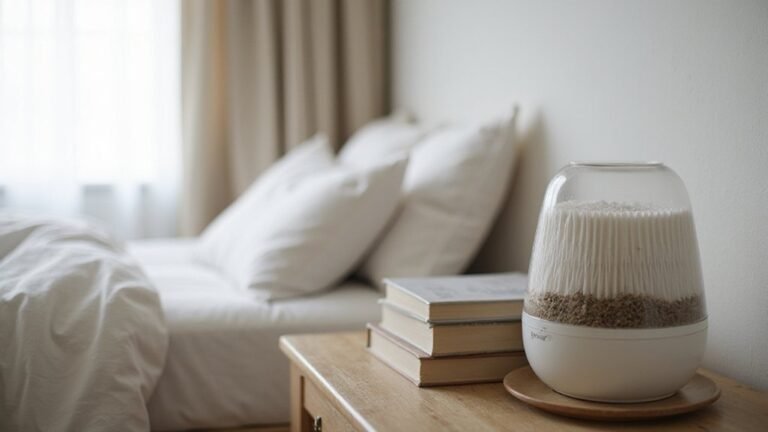
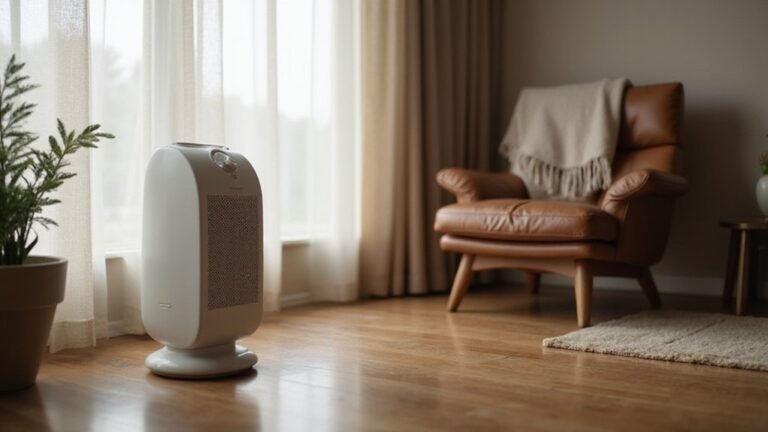
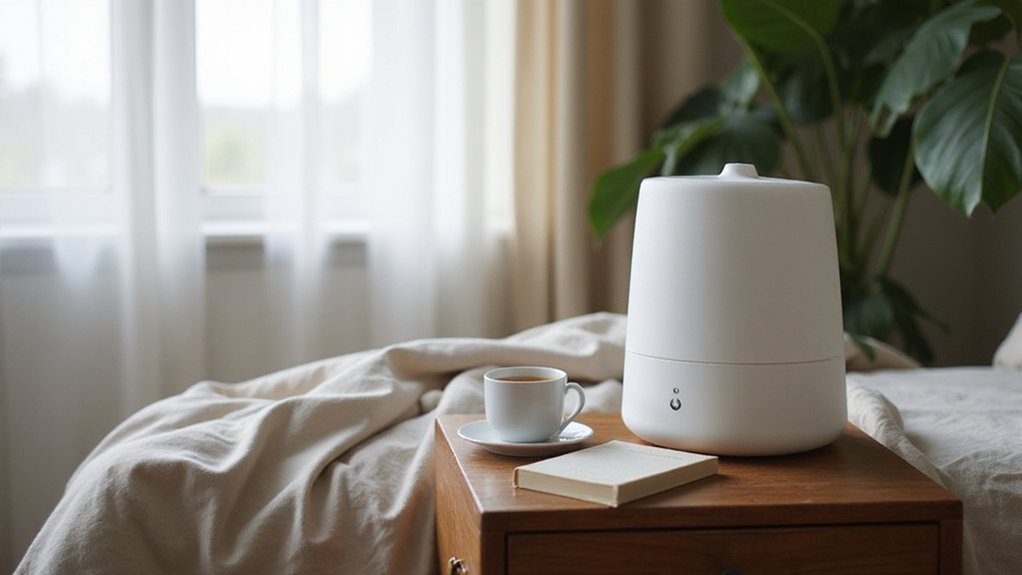
If you’re wondering whether Canopy is a cool mist humidifier, you’re not alone. Unlike traditional ultrasonic models that spray visible mist, Canopy uses evaporative technology to add moisture quietly without dust or sprays. It relies on a fan and a wick filter to release invisible vapor, making it a different choice for humidification.
Keep reading to find out what sets it apart and if it might be right for you.
So, Is Canopy a Cool Mist Humidifier? (Answer: No)
Canopy is not a cool mist humidifier. It is an evaporative humidifier that releases invisible moisture through a wick filter, not a visible spray or mist. Unlike ultrasonic or steam vaporizer models, it doesn’t produce a visible plume of water droplets. Many consumers prefer mist-free operation to prevent white dust or mess, which aligns with Canopy’s design. Retailers like Target label it as “Mist Free” and “evaporative.” While it effectively humidifies spaces up to 500 square feet and runs up to 36 hours, it does not fall into the cool mist category. Best Humidifiers for Calathea often recommend evaporative types like this to avoid leaf damage. Regular maintenance, such as cleaning the wick filter, helps prevent mold and buildup just like with a tower fan. Once you understand the technology behind it, your expectations can be set accordingly. For those seeking similar high-quality home performance, you might also consider top ceiling fan with light flush mounts as the best picks for your room.
How Canopy’s Evaporative Tech Replaces Cool Mist Spray
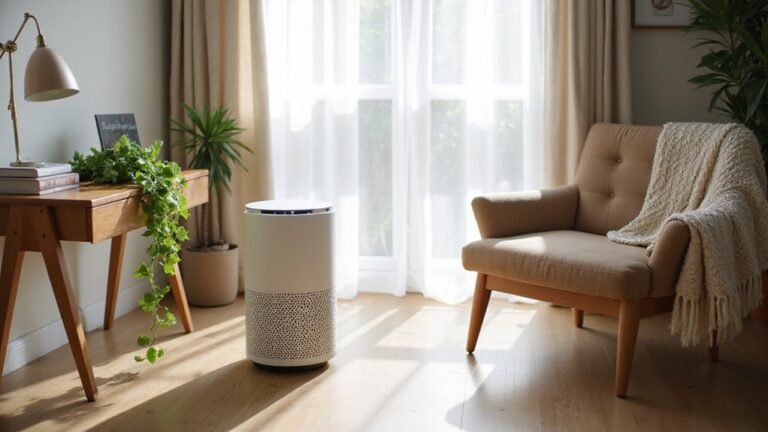
Canopy’s evaporative technology replaces cool mist spray by pulling water through a paper filter and using a fan to release moisture as invisible vapor. Instead of emitting an aerosol, it gently increases humidity without creating visible mist. This method creates a mist-free environment that helps prevent white dust from settling on furniture. The filter also captures minerals from tap water, improving air purity by reducing residue. As the room reaches your desired humidity level, typically between 40 and 60 percent, the device naturally slows down its output. Evaporative humidification responds to environmental conditions rather than constantly spraying, resulting in a quiet, clean, and effective way to maintain comfortable indoor moisture levels. For homes struggling with excess moisture on windows, this type of system can also help reduce window condensation by maintaining balanced humidity. The entire unit’s Parts that contact water are dishwasher safe for easy cleaning. Unlike a window air conditioner that actively cools the air, Canopy’s system focuses on humidity control without the need for a compressor or refrigerant. For proper placement, ensure the unit is positioned on a flat, level surface near a power outlet to allow for optimal airflow and performance.

BUY WITH CONFIDENCE This genuine replacement water panel was designed and manufactured in the USA by AprilAire – the leader in indoor air quality solutions to optimize the performance of your AprilAire Humidifier Model: 110, 220, 500, 500A, 500M, 550, 550A, 558

【Exact Fit for Vornado Humidifiers】: MD1-0034 humidifier wick replacement filters are specifically engineered to replace OEM part #MD1-0034.Compatible with Vornado Evaporative Humidifier Model Evap2, , EV100, EV200, EVDC300, EVDC500, EVDC505 (Not for Evap3).

Does Mist-Free Actually Humidify Dry Winter Air?
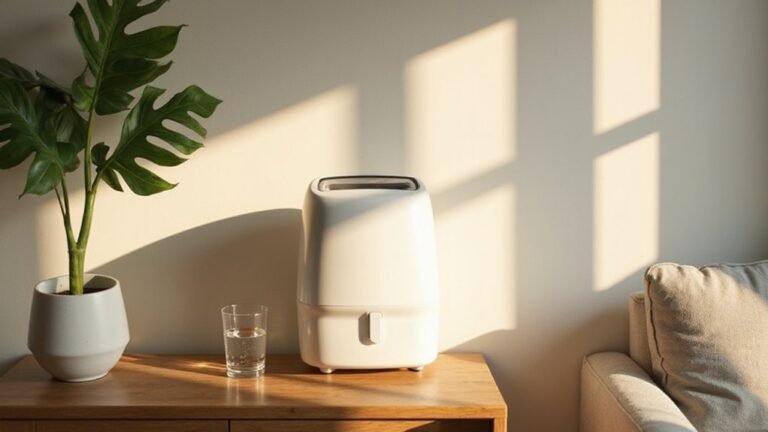
A mist-free humidifier can indeed add moisture to dry winter air. Canopy’s evaporative system transforms water into invisible vapor, effectively increasing humidity without visible steam. User feedback confirms this, with one bedroom’s humidity rising from 28% to 45% in just nine hours. The unit uses a paper filter and tap water, providing filtered, hydrated air. For those interested in a more hands-on approach, building a DIY air purifier at home uses similar filter-based principles for better indoor air quality. Air circulation helps spread this moisture throughout the room, but because it relies on natural evaporation rather than ultrasonic spray, the process is more gradual. The device stays quiet, making it suitable for bedrooms or spaces where noise is a concern. Instead of a visible mist, you’ll notice your skin and throat feeling less dry as the air’s moisture level improves. To confirm performance, using a hygrometer can give you an accurate reading of your room’s humidity. For optimal results in small spaces, the Canopy unit effectively targets bedroom dehumidifier needs, balancing moisture output with minimal maintenance and energy use. Compared to ultrasonic models, an evaporative humidifier generally has lower running costs due to the absence of a heating element.

𝑵𝒂𝒕𝒖𝒓𝒂𝒍 𝑯𝒖𝒎𝒊𝒅𝒊𝒇𝒊𝒄𝒂𝒕𝒊𝒐𝒏: Uses evaporative technology without white dust, just pure water vapor

𝙁𝙖𝙨𝙩 𝙃𝙪𝙢𝙞𝙙𝙞𝙛𝙞𝙘𝙖𝙩𝙞𝙤𝙣 𝘼𝙡𝙡 𝙉𝙞𝙜𝙝𝙩: Runs for up to 25 hours on low thanks to its SUPER LARGE capacity of 2.5 liters. The soothing moisture helps quickly relief congestion and dry throat.
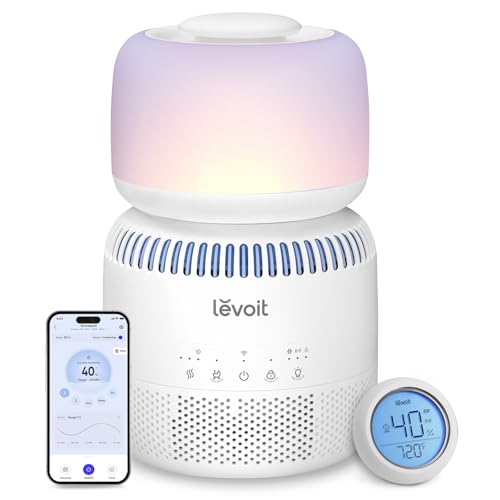
𝗔𝗱𝘃𝗮𝗻𝗰𝗲𝗱 𝗘𝘃𝗮𝗽𝗼𝗿𝗮𝘁𝗶𝗼𝗻 𝗧𝗲𝗰𝗵𝗻𝗼𝗹𝗼𝗴𝘆: Levoit Sprout Humidifier uses natural evaporation to add mist-free moisture to the air, supporting a balanced and comfortable environment for your baby
What Canopy Claims vs. What Owners Really Report
Is Canopy a Cool Mist Humidifier?
What Canopy Claims vs. What Owners Really Report
Canopy’s marketing promises a high-tech, mold-resistant humidifier capable of quietly handling spaces up to 500 square feet. In reality, owners report a more modest experience. When measuring humidity effectiveness, the device adds moisture slowly—one test showed only a 4% increase over three hours, from 24% to 30%. That’s a minor boost in a very dry environment. Your user experience depends on realistic expectations: while the device’s compact size and dishwasher-safe parts are praised, the moisture output is often barely perceptible. Many owners note it works best in small rooms rather than larger areas. You’ll appreciate the reduced mold growth and convenience of using tap water, but don’t anticipate dramatic improvements or visible moisture. For spaces larger than a small room, a unit with higher moisture output and better window air conditioner performance may be more practical. A similar resourceful approach can be found in reusing reed diffuser sticks, where owners repurpose materials to extend their value beyond the original marketing claims. For those seeking better overall air quality, a dedicated HEPA air purifier can offer more reliable filtration performance in larger spaces.

𝐅𝐨𝐫𝐠𝐞𝐭 𝐚𝐛𝐨𝐮𝐭 𝐜𝐨𝐧𝐬𝐭𝐚𝐧𝐭 𝐫𝐞𝐟𝐢𝐥𝐥𝐬: With a 3L tank and convenient top-fill design, dreo humidifiers for bedroom offer up to 30 hours of long run time humidification in sleep mode, ensuring dry air is no longer an issue for your family, plants, and baby.

Smart APP & Voice Control: With the powerful system, you can easily set your smart humidifier anytime, anywhere. Added convenience with cleaning reminders, schedules, and timer options. Connect to a third-party voice assistant and the smart humidifier will perform the corresponding actions immediately by your voice command. Compatible with Alexa, Google Assistant, and IFTTT. (Only Support 2.4G Wi-Fi.)

𝙁𝙖𝙨𝙩 𝙃𝙪𝙢𝙞𝙙𝙞𝙛𝙞𝙘𝙖𝙩𝙞𝙤𝙣 𝘼𝙡𝙡 𝙉𝙞𝙜𝙝𝙩: Runs for up to 25 hours on low thanks to its SUPER LARGE capacity of 2.5 liters. The soothing moisture helps quickly relief congestion and dry throat.
Choose Canopy If You Hate Mist; Skip It If You Need Visible Humidity
Skip it, though, if you rely on seeing visible humidity to confirm the machine’s operation. Canopy doesn’t produce fog or mist that you can easily observe, so you’ll need a hygrometer to check its performance. Without that visual cue, many owners might feel uncertain whether the device is working correctly. If visible humidity is essential for your setup, Canopy may not be the right choice. For those seeking powerful cooling, top window air conditioners offer visible airflow and immediate temperature control. Using a dehumidifier can also help by lowering indoor moisture that attracts pests like centipedes, which thrive in damp environments. Instead, consider Canopy for its quiet operation and ease of cleaning, as it lacks the mist output typical of cool mist humidifiers.
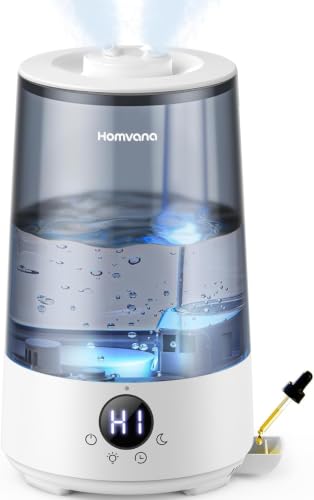
[3-in-1 Humidifier Meets All You Expect] Cool Mist Humidifier+Aromatherapy+Mood Light, purchase for once to satisfy all you expect! Let Homvana H101 be the best companion in your bedroom.

【25H Runtime & Rapid Relief】The 2L tank provides 25 hours of continuous mist on low. Use high-output mode (200ml/h) for instant relief from dry throat and congestion within minutes. (Note: Use on hard surfaces; avoid carpets.)

3.5L Top-Fill Design: The wide top opening makes refilling and wiping the tank simple. The 1 gallon capacity supports daily use in bedrooms, living rooms, offices, and plant corners without frequent refills.
Canopy vs. Traditional Cool Mist Models: Key Differences
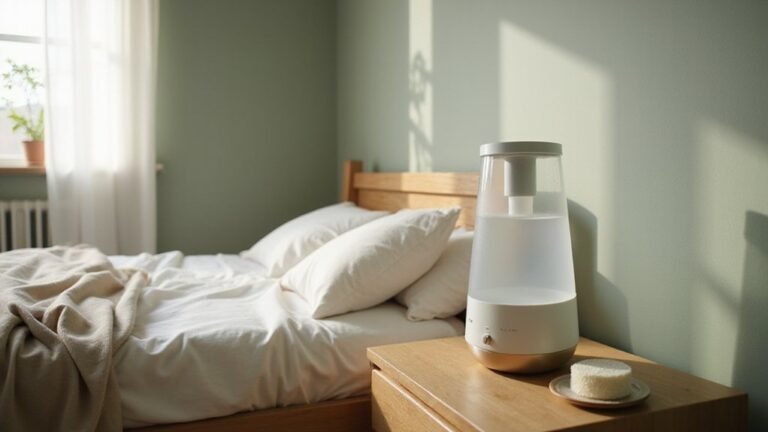
Canopy differs from traditional cool mist models mainly in how it releases humidity. Unlike ultrasonic units that produce a visible plume of fine droplets, Canopy’s evaporative design releases humidity as an invisible vapor. This means your room stays more visually stable, without the mist or condensation often seen with ultrasonic models. Canopy also uses Smart Persistent Airflow to keep humidity levels between 40% and 60%, preventing over-humidification and water accumulation on surfaces. Additionally, it filters water before releasing it, so you avoid mineral dust and buildup. Maintenance is straightforward, thanks to dishwasher-safe parts that eliminate the need for descaling. Noise is lower since evaporative systems don’t hum like ultrasonic units. Plus, Canopy offers a range of color options to better match your decor, whereas most traditional models tend to be limited to basic white. Unlike HEPA-based air purifiers that capture particles in a dry filter, Canopy uses water to trap impurities, offering a different filtration approach for your air quality needs. This method is similar to how a reed diffuser wicks fragrance into the air without visible output.
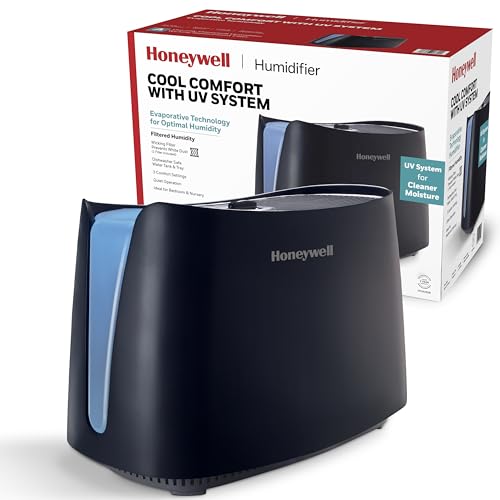
Humidifier for Bedroom: As the ideal baby humidifier, this room humidifier has a soft, fan-like sound to add restful noise to any room; great for an adult or child’s bedroom, the large tank can run overnight, providing consistent soothing moisture

Next-Gen clean technology: Advanced evaporative humidifier with professional-grade water tank, delivering hygienic mist for improved respiratory comfort and deeper sleep. Specifically designed for children's safety, dry skin relief, and seasonal dryness

GENTLE FAN SOUND, ADJUSTABLE COMFORT: A soft, steady fan sound provides a subtle white-noise backdrop for your bedtime routine. Choose from 3 speed settings, with the lowest setting offering the quietest operation