How to Use Diffuser Essential Oils
If you’re wondering how to get the most out of your diffuser essential oils, the process is simpler than you might think. Choosing the right diffuser and using the correct oil-to-water ratio can make a big difference in how your space smells and feels.
By the end of this, you’ll know how to set up and care for your diffuser for the best results. Let’s walk through the key steps to create a calming, fragrant atmosphere in your home.
What to Look for When Buying Your First Diffuser
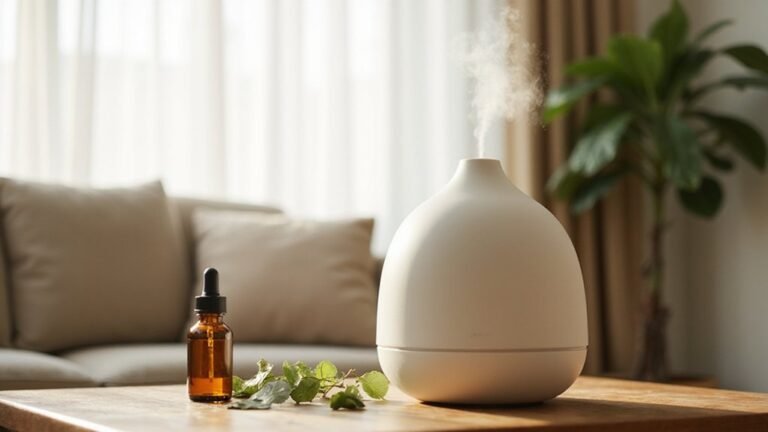
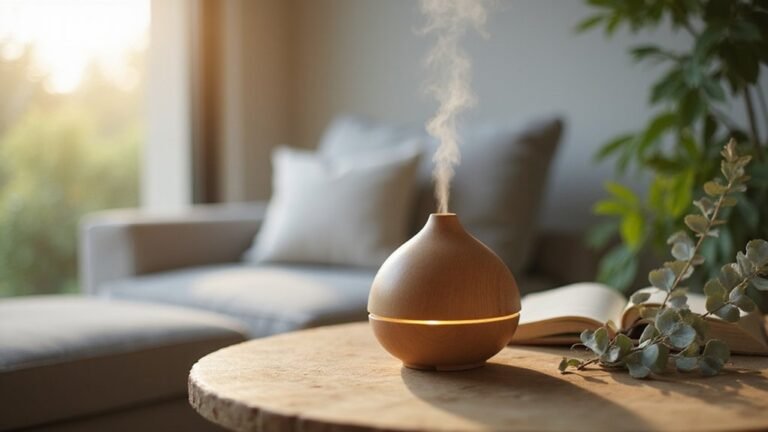
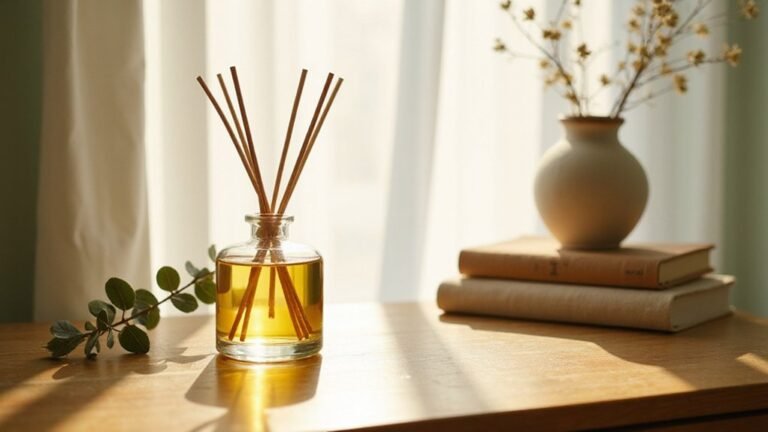
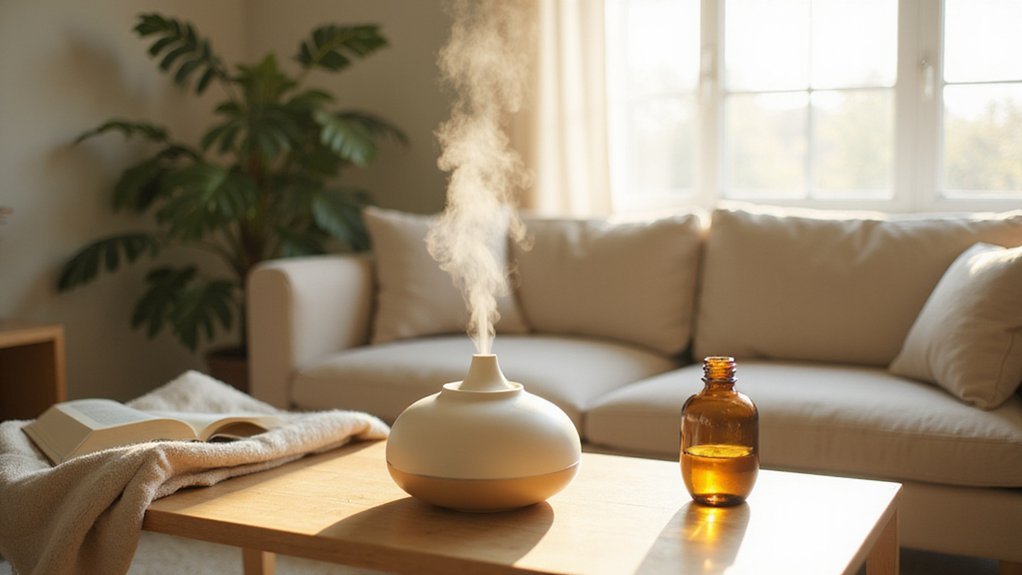
Choosing the right diffuser type depends on your preferences and routine. Ultrasonic diffusers are very popular because they use water to disperse essential oils, allowing you to control the scent strength easily. They typically have tanks ranging from 100 to 300 milliliters, giving you about 4 to 6 hours of continuous operation on a single fill. Regular cleaning is essential to prevent mold and bacterial growth due to the water use. To keep your diffuser functioning properly, you should also check and clean the water tank regularly, as buildup can affect performance. Nebulizers use compressed air to produce a stronger scent without water, making them ideal if you want a more potent aroma. They tend to be more expensive and are usually used in spaces where a strong scent is desired. Reed diffusers are passive, with reeds absorbing oil from a container to diffuse scent slowly, requiring minimal maintenance, and they work best when you choose a high-quality base oil that ensures consistent evaporation. When choosing, consider your routine: ultrasonic models suit daily home use, nebulizers work well for concentrated aroma needs, and reed diffusers are perfect for long-term, low-effort scenting. For spaces like the bedroom, you might also consider checking a bedroom dehumidifier to control humidity and preserve your oils.

Smart Automatic Diffusion: This 300ML ultrasonic essential oil diffuser combines advanced technology with elegant design, featuring a wood grain base, 7 customizable LED colors, and 4 timer settings (1/3/6 hours). Enjoy up to 7 hours of continuous mist with auto shut-off for worry-free use.

Tailored Timer Options: Craft the ideal atmosphere for any activity with four customizable timer settings—continuous diffusion or 60, 180, and 360-minute. Whether you're working, meditating, or winding down for the night, adjust the timer to your exact needs and enjoy a truly personalized ambiance, effortlessly.
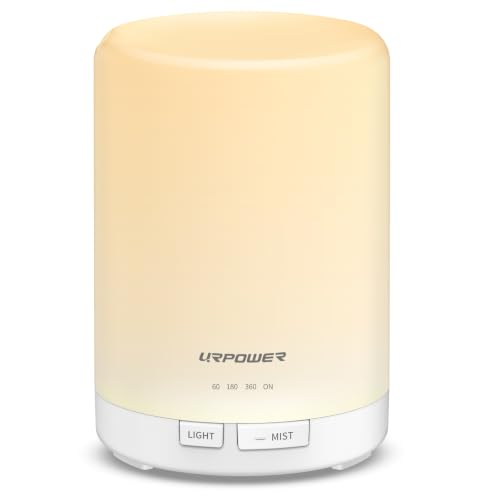
𝐈𝐃𝐄𝐀𝐋 𝐅𝐎𝐑 𝐘𝐎𝐆𝐀, 𝐒𝐋𝐄𝐄𝐏, 𝐀𝐍𝐃 𝐑𝐄𝐋𝐀𝐗𝐀𝐓𝐈𝐎𝐍: Enjoy continuous mist with 4 adjustable timer settings: 1 hour for yoga or skincare, 3 hours for easing into sleep, 6 hours for extended aroma, or continuous use for longer periods. Create the ideal atmosphere for every moment of your wind-down routine.
Where to Place Your Diffuser for Best Results
Place your diffuser on a stable, flat surface near the center of the room, ideally between 60 and 100 centimeters off the floor. This height allows the mist to disperse evenly and fill the space more effectively. Keep it away from open windows, vents, or direct sunlight, as strong air currents or heat can disrupt the scent distribution and increase the need for diffuser maintenance. Position it close to your main living area but away from electronics, children, and pets to ensure safety and optimal performance. Avoid placing it on soft surfaces like carpets, which can trap moisture. A central, medium-height spot ensures the aroma spreads throughout the room without unnecessary waste. For consistent output, always use the correct water level recommended for your specific model. Choosing a spot that mirrors the airflow patterns of a top-rated window unit can help you optimize circulation, as both devices perform best when unobstructed and centrally located. For those dealing with congestion, a diffuser can also provide cough relief when used with appropriate essential oils.
What Kind of Water Should You Put in a Diffuser?
Using distilled water is best for your diffuser because it contains no minerals that can cause buildup. Mineral-free water prevents scale deposits on the ultrasonic plate, ensuring a longer lifespan for your device and a cleaner, more consistent mist. Filtered water is also a good choice because it reduces impurities and most minerals without the cost of constantly buying distilled water. Avoid mineral or bottled waters, as their mineral content can leave residues that clog the device and reduce its efficiency. Always check your diffuser’s manual for specific recommendations, but in general, the less mineral-rich the water, the healthier your diffuser will be. For optimal performance, consider using a filter that captures HEPA-level particles to ensure the air around your diffuser remains clean and free from airborne contaminants. For addressing a dry throat, many humidifiers also recommend using distilled water to avoid mineral dust and maintain optimal moisture output. Choosing a filter that prevents mineral buildup is essential for extending your device’s lifespan and keeping the mist pure.
How Many Drops of Diffuser Oil Does Your Tank Need?
For a 100 mL diffuser tank, 3 to 5 drops of essential oil are enough to create a pleasant aroma without overwhelming the room. Larger tanks require proportionally more drops: a 200 mL tank needs 6 to 10 drops, 300 mL calls for 9 to 12, 400 mL requires 12 to 15, and 500 mL tanks need 15 to 20 drops. Starting with the lower end of these ranges helps prevent over-saturating the air, and you can always add more if the scent feels weak. When mixing multiple oils, combine all drops to stay within your set range—don’t add each oil separately, or you risk exceeding the limit. Always begin with fewer drops and increase as needed based on your scent preference. Keep in mind that smaller rooms often require fewer drops, and some potent oils may project well with less. Refer to your diffuser’s manufacturer instructions, since unique design features can influence how much oil to use. Ultimately, use your nose as the final guide to achieve your ideal aroma level. To prevent buildup, regularly clean the tank following the manufacturer’s instructions.

Top selling essential oils set: We create our essential oils using rigorously tested ingredients. Top blends, make pampering a luxurious experience with our set of 6 10ml oils. Perfect for blending to make candle making scents, making DIY soap scents or a unique aromatherapy experience. Join 170,000+ customers who love our essential oils for diy crafts, aromatherapy and candle making!

Premium Essential Oils Set with Top 15 Blends for Diffusers: Crafted with rigorously tested ingredients, our Wtrcsv set includes 15 versatile 5ml organic essential oils—Cinnamon, Lemon, Eucalyptus, Bergamot, Lavender, Jasmine, Lemongrass, Peppermint, Sweet Orange, Grapefruit, Rosemary, Rose, Tea tree, Chamomile, Ylang Ylang—ideal for aromatherapy, home care, or creating custom candle&Soap&perfume making scents. Elevate your space with vibrant fragrance blends for humidifiers, massage oils, or DIY bath bombs. Join countless customers who trust our oils for wellness and creativity!

Which Essential Oils Are Best for Diffuser Beginners?
Lavender is the ideal starter essential oil for beginners because of its gentle, floral aroma that creates a calming environment without overpowering a room. It’s forgiving and easy to diffuse, making it a great first choice. For daytime use, citrus oils like lemon or sweet orange are excellent options; their bright, uplifting scents help energize a space. Peppermint and eucalyptus provide a crisp, invigorating aroma, but they are more intense, so use them sparingly to prevent overwhelming the room. Lemongrass and rosemary also work well in small amounts, offering a clarifying effect that can improve focus. The Lagunamoon Essential Oils Aromatherapy Set offers six pure oils, including these beginner-friendly options, with each oil sourced globally from Australia, China, France, Brazil, and India to ensure authentic plant-powered aromas.
When starting out, select a simple trio: lavender plus either peppermint or eucalyptus, combined with a citrus oil. Test each oil individually to discover what you enjoy most before blending. Always follow your diffuser’s water fill line and avoid adding carrier oils directly into the tank—they are meant for topical dilution only. This approach helps create a safe, enjoyable diffusing experience as you learn your preferences.

LAVENDER ESSENTIAL OIL – Features a soft, floral lavender aroma for use in diffusers, DIY projects, home fragrance, and personal care formulations.

Packaging May Vary - New look, same great product.

LAVENDER OIL: Handcraft Blends Lavender Oil is carefully crafted and packaged. Every bottle is backed by our Quality Guarantee.
How Long Should You Run a Diffuser Per Session?
A typical diffuser session should last between 30 and 60 minutes, but your ideal duration depends on room size, oil strength, and your goal. For small spaces, 15 to 30 minutes is sufficient; medium rooms benefit from 30 to 45 minutes; large rooms may need 45 to 60 minutes to achieve a noticeable aroma. You do not need to diffuse continuously all day to enjoy aromatherapy benefits; shorter sessions often work just as well. Because scent blindness can occur after approximately 60 minutes of continuous diffusion, limiting sessions prevents wasted oil and maintains your ability to perceive the aroma. For those concerned about indoor air quality, choosing a diffuser with an activated carbon filter can help remove unwanted odors and impurities from the air. Additionally, using intermittent diffusion patterns can help you conserve oil while still maintaining a consistent fragrance in the room. For portable use, a small USB-powered fan can help circulate the aroma more efficiently in a targeted area.
Stronger oils like eucalyptus require only 20 to 30 minutes to be effective, while milder oils such as lemon can be diffused for longer periods without overwhelming your space. To prevent overexposure, it’s best to use intermittent diffusion patterns, such as 30 minutes on, 30 minutes off. This approach helps avoid scent fatigue and overexposure, which can lead to scent blindness or irritation.
For sleep enhancement, run your diffuser 30 to 60 minutes before bedtime and then turn it off. Match the session length to your specific purpose, whether that’s uplifting energy, relaxation, or sleep. Adjusting diffusion times thoughtfully ensures you enjoy the maximum benefits from your essential oils without overdoing it.
How to Tell When Your Diffuser Scent Is Too Strong
Your diffuser scent is too strong when it immediately floods the room with fragrance upon entering, rather than quietly blending into the background. You’ll notice the aroma clings to your clothes and hair, creating an environment that feels “charged” or overperfumed. Physical signs like headaches, nausea, throat irritation, or watery eyes are clear indicators that the scent is oversaturated. The materials you use matter: low-quality essential oils or high-alcohol bases tend to release more aggressively, disrupting the balance. Check if the fragrance complements your space; some blends are simply too intense for the environment. Using too many reed sticks or adding too many drops in ultrasonic diffusers can also overwhelm the room instantly. To fix this, reduce the amount of oil, remove some sticks, or move the diffuser away from heat or drafts. The ideal scent level is subtle, creating a pleasant ambiance without overpowering your senses. Using a quality dehumidifier can help reduce humidity that amplifies how strongly a scent lingers in your home. Place the diffuser in a well-ventilated area to prevent the fragrance from concentrating too heavily in one spot. For persistent issues, consider using a replaceable filter in your diffuser to trap excess oil particles and maintain cleaner air quality.
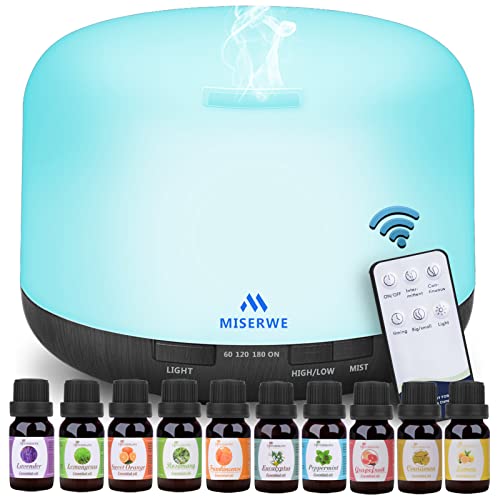
【MUTE DESIGN】: Deep Sleep ≤ 20dB, give you a quiet and comfortable environment. Replenish water and nutrition into cells, make skin moist, clean, white and natural.

Durable Material: For this essential oil diffuser bracelet, the aromatherapy locket and chain are both made of hypo-allergenic surgical grade 316L stainless steel, smooth, durable, anti-allergy, and no fading.

A MODERN FRAGRANCE EXPERIENCE: Redefine how you experience fragrance; Air Wick Essential Mist is the modern way to transform fragrance infused with natural essential oils into a mist
How to Clean Your Diffuser the Right Way
To keep your diffuser functioning properly and ensure your scents remain pure, regular cleaning is essential. Start by unplugging the diffuser and emptying any remaining water and oil from the tank. Wipe the tank dry after each use with a soft cloth or paper towel to prevent residue buildup. For a deeper clean, mix a few teaspoons of white vinegar with water in the reservoir and run the diffuser for 5 to 10 minutes. Then, empty the mixture and wipe the tank dry. Use a cotton swab dipped in rubbing alcohol to gently clean the ultrasonic chip, which helps maintain optimal mist production. Wash the lid separately with warm, soapy water and dry all parts thoroughly before reassembling. Allow all components to air dry completely to prevent mold and ensure your diffuser stays in top condition. For heavy scale or orange stains, soak the tank with straight vinegar before running the cycle to break down hard water deposits.

Professional Results at Home: This Professional Silver Cleaner delivers 42,000Hz ultrasonic waves to remove dirt and grime in minutes without damaging your valuables. Ideal for restoring the sparkle to engagement rings and necklaces.

Unique Design:With classic wood grain finish, add drops of your favorite essential oil to give your room a fresh, clean scent.it will fill your space with lovely fragrance.as a decorative piece, perfect for your room,office, yoga room, hotel room etc.
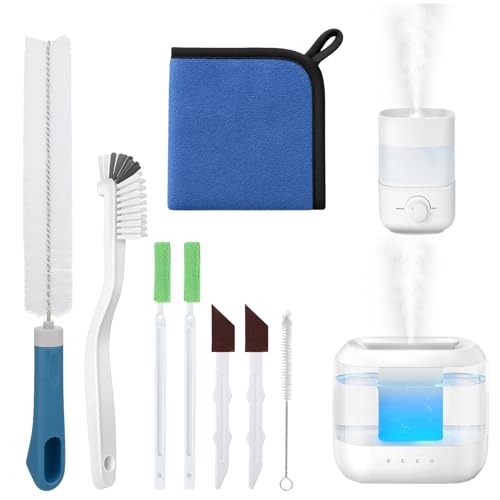
Humidifier Cleaning Solution:Still looking for a cleaning tool that can thoroughly clean your humidifier? Come and try our humidifier cleaning brush set!The nylon brush cleans the stains on the base, the sandpaper brush powerfully removes the severe scale at the bottom, and the long brush can easily reach the air outlet and the interior of the water storage tank, thoroughly cleaning every corner of the humidifier in all aspects, making your humidifier look brand new and more reassuring to use.
Common Diffuser Mistakes First-Time Owners Make
To avoid overwhelming scents and oil waste, use only 3–6 drops of essential oil per 100 mL of water in your diffuser. Overloading the tank can lead to overly strong smells that may cause headaches or irritation, and it wastes valuable oils. Stick to this recommended amount to ensure a balanced aroma and a more sustainable aromatherapy routine. Always measure your drops carefully and avoid pouring in large quantities at once. Properly maintaining your diffuser by using the right amount of oils helps preserve its performance and prolongs its lifespan. Always clean your diffuser regularly to prevent mold and mineral buildup that can clog the device and affect its operation. Small tweaks to your routine, such as adjusting the number of drops, prevent overwhelming scents and improve overall results. To further extend the life of your scent, flip the reeds weekly to refresh the oil diffusion and prevent clogs. While diffusers excel at scent dispersal, if you also need to remove airborne particles, consider an air purifier with HEPA filtration for superior performance.