How Long Does a Reed Diffuser Last?
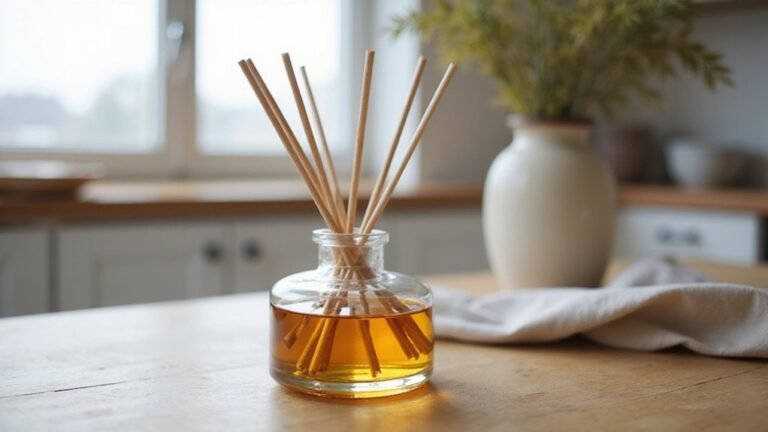
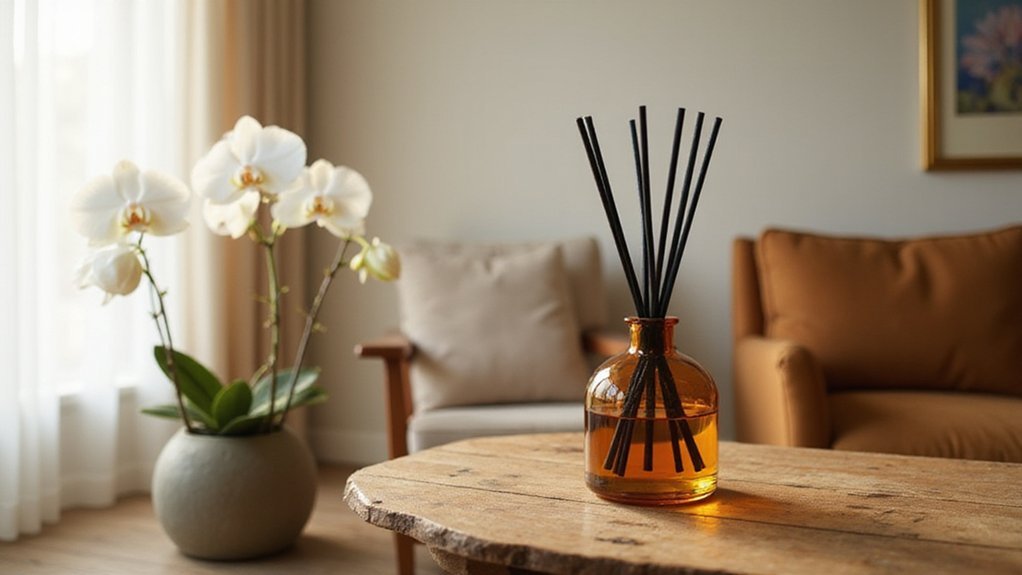
Wondering how long your reed diffuser will keep the room smelling fresh? A typical 100 mL bottle usually lasts about a month to six weeks.
But several factors can speed up or slow down its lifespan. Understanding these will help you get the most out of your diffuser and enjoy its scent longer.
Keep reading for simple tips to extend its lasting power.
How Long Does a 100 mL Reed Diffuser Actually Last?
A 100 mL reed diffuser typically lasts between 4 to 12 weeks. The actual duration depends on factors such as the brand, fragrance oil concentration, room size, and how frequently you flip the reeds. Some brands, like Hotel Collection and Homecourt, report a lifespan of about 3 to 4 months, whereas others, like Durance, see about 4 to 6 weeks. SOSA Home and Body suggest 6 to 8 weeks. Understanding how HEPA filtration technology works can help you compare the air quality benefits of a diffuser to those of an air purifier. For instance, an electric diffuser may provide more consistent fragrance output than reeds, which can influence how you choose to scent your space. Overall, you can expect your diffuser to last around 1 to 3 months under normal conditions, with a common midpoint around 6 to 8 weeks. This range provides a practical benchmark for managing your expectations and planning replacements. For comparison, many household appliances like best window air conditioners also vary in longevity based on usage and environment.
3 Key Factors That Control How Fast Your Diffuser Evaporates
The speed at which your diffuser evaporates depends mainly on three factors: room temperature and airflow, the type and number of reeds, and the formulation of the oil. Higher temperatures and increased airflow, such as from a fan or vent, lower the oil’s viscosity and accelerate evaporation. You can slow this process by using fewer reeds or selecting thicker, less porous reeds that retain more oil. In the same way, a bedroom dehumidifier can reduce ambient humidity and airflow, helping to slow evaporation compared to a humid room. The oil’s formulation also plays a crucial role. Lighter blends containing alcohol tend to evaporate faster than denser, stable carrier oils like jojoba or mineral oil. To extend the diffuser’s life, avoid layering different scents, as layering can thin the oil and speed up evaporation. Packaging design matters too; narrow bottle openings reduce the surface area exposed to air, thereby slowing the evaporation rate compared to wider openings. Similar principles apply to airflow from a fan, which accelerates evaporation by constantly moving air across the reed surface. Additionally, regular cleaning of your diffuser bottle and reeds prevents residue buildup that can clog the reeds and alter the oil’s evaporation rate.

HOME DIFFUSER: Bring the sea into your home with the sparkling, clean scent of Inis, a refreshing fragrance that’s as uplifting as a sunny day by the ocean, filling your space with a breath of fresh coastal air.

【Perfect Replacement】Our 20-pack of essential oil diffuser sticks measures 10 inches in length and 3mm in diameter, making them ideal for use in home reed diffusers, ensuring a continuous release of delightful fragrances.

It is dyed with reed diffusion sticks of natural colors
Why Heat and Drafts Are Your Diffuser’s Worst Enemy
Heat and drafts are your diffuser’s worst enemies because they cause your essential oils to evaporate faster and unevenly. Heat accelerates evaporation, which shortens the lifespan of your diffuser and makes the scent seem stronger initially but fades quickly. A warm environment also reduces the oil’s viscosity, making the release more intense at first—yet you actually lose fragrance over time. To achieve consistent scent performance and better longevity, choose a stable bedroom environment with a quality ceiling fan that can be set to low or off, as described in our top bedroom ceiling fans review. Direct sunlight further degrades the fragrance compounds, altering the scent profile and preventing balanced layering. Drafts from HVAC vents or ceiling fans create overactive airflow, which disrupts the steady diffusion process and can cause your diffuser to run out of oil much sooner—sometimes twice as fast with a single window draft. This inconsistent airflow makes it difficult to control the scent strength and wastes your costly essential oils. Using a dehumidifier for centipedes can help maintain stable humidity levels that prevent excess moisture from interfering with your diffuser’s performance. To keep your diffuser performing optimally, place it in a cool, stable spot away from heat sources and drafts, preserving both the oil’s quality and the effectiveness of your scent. For example, similar to how a tower fan can create drafts that accelerate evaporation, avoiding airflow from such devices is key to prolonging your diffuser’s life.

Ceiling Fan with Light: Decorate your home with Amico ceiling fan! While bringing you coolness and comfort, it also becomes a beautiful decorative piece for your home. Our 42 inch small ceiling fan with light remote control has A energy efficiency rating, which can avoid 80% of electricity loss compared with traditional fans.

Perfect Size for Rooms: This 52-inch ceiling fan is ideal for cooling and illuminating spacious areas like living rooms, bedrooms, and kitchen, featuring an 20W 2000LM bright light and powerful average 3057 Cubic Feet Per Minute airflow.

LED Light Source and Memory Function: The LED energy-saving light has 120 voltage output and brightness from 10%-100% with 2200LM. 3 color temperature from warm(3000K) to white(6000K) and light memory function
How Reed Count Affects Scent Strength and Oil Usage
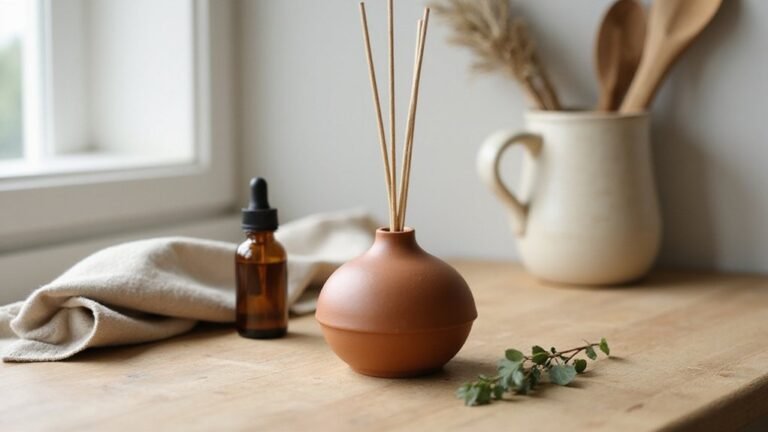
Using 4 to 6 reeds is ideal for a 100–200 ml diffuser bottle. This range balances scent strength and oil efficiency, with more reeds increasing both the intensity and the speed of oil consumption. To preserve your oil, consider that rotating the reeds too often can accelerate evaporation. In smaller rooms, 3 to 4 reeds provide enough scent without overwhelming the space. For medium-sized rooms, opt for 5 to 6 reeds, and in large areas, 7 to 8 reeds achieve better coverage. For plants requiring higher humidity, using a humidifier for fiddle leaf fig ensures consistent moisture without relying solely on reeds. To maintain safety while enhancing your space, avoid placing the diffuser near a portable space heater, which can pose a fire risk.
Reed material also plays a role. Thicker or fiber reeds wick fragrance more efficiently, meaning you may need fewer reeds to reach your desired scent level. Start with fewer reeds and gradually add if the scent isn’t strong enough. If you want your diffuser to last longer, sticking with fewer reeds is best. The goal is to find the minimum number of reeds that give you the scent strength you enjoy without wasting oil.
Flip Your Reeds Every 1–2 Weeks: Replace Every 6 Months
Flip your reed diffuser every 1 to 2 weeks to keep the scent strong and prevent clogging. This simple step reopens saturated channels in the reed material, allowing oil to flow more freely and enhancing fragrance diffusion. If you skip flipping, you’ll notice a weaker scent even if there’s still oil in the bottle because clogged fibers trap the scent. Hot rooms or drafts can speed up clogging, so adjust how often you flip accordingly. After about 6 months, the reeds become too clogged to work properly even if oil remains. At that point, replace the reeds entirely to ensure a consistent scent throw. Do not reuse old reeds with new oil, as residue from previous use can alter the purity and clarity of the fragrance. Using high-quality reeds and oils can extend performance, but following this flipping schedule ensures reliable, long-lasting results. The capillary action of the reed draws oil upward, but this process slows as fibers become saturated over time. For optimal fragrance distribution, consider using a dehumidifier for condensation to reduce excess moisture that can interfere with reed performance. Additionally, placing your diffuser in a room with moderate airflow rather than direct sun can help maintain an even evaporation rate and prevent the oil from degrading too quickly.
When to Refill: When to Replace Your Diffuser Entirely
Refill your diffuser when the oil level drops to about the last inch, but don’t wait until it’s completely dry. A 100 mL diffuser typically lasts 3 to 4 months, while a 30 mL bottle empties in roughly 2 to 3 weeks. If you refill but notice the scent remains weak, your reeds are probably clogged. Replacing the reeds with each new oil bottle prevents residue buildup that can interfere with fragrance dispersal. Unlike a humidifier that uses running water without filters to disperse moisture, a reed diffuser relies entirely on the reeds’ capillary action for scent distribution, similar to how ultrasonic vibrations work in some electronic models to disperse oils. For optimal scent coverage, choose a top-rated space heater to maintain a consistent room temperature that doesn’t accelerate oil evaporation. Replace the entire diffuser if you’ve added fresh oil and installed new reeds and still get only a faint scent. This indicates the diffuser may have reached the end of its effective life. Keep in mind that placement also matters; a diffuser in a high-traffic or hot area causes faster evaporation, meaning you’ll need more frequent replacements.

It is dyed with reed diffusion sticks of natural colors

♻️FAST WICKING & LESS CLOGGING: These premium reed diffuser sticks absorb and disperse the fragrance faster and are of higher quality than the alternative rattan or wood sticks. They do not clog like rattan reeds and allow for a controlled rate of fragrance release, making them perfect for your room diffusers.
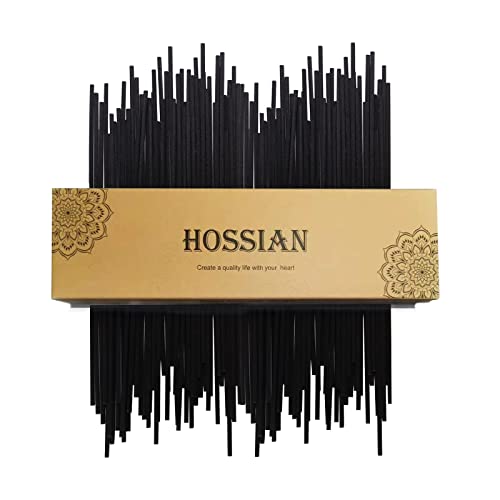
✿【Diffuser Sticks Size】50PCS aroma diffuser stick is 7.5inches in length and 3.5 mm in diameter, These are perfect replacement reeds for oil diffusers.
5 Simple Ways to Make Any Reed Diffuser Last Longer
To make your reed diffuser last longer, start by using fewer reeds. Fewer reeds slow down fragrance release, which reduces how quickly the oil is used up while still delivering a gentle scent. This works because reeds act as a passive diffusion system, relying on capillary action to draw oil up and evaporate it into the air. Second, position your diffuser in a cool, stable spot away from heat sources and direct sunlight. High temperatures and sunlight cause faster evaporation, so keeping it in a moderate air circulation area helps extend its life—avoid drafty vents. Third, don’t flip the reeds more than once a week. Frequent flipping can quickly deplete the oil because it accelerates fragrance release. Fourth, match the diffuser size to your room. A small diffuser in a large space will run out faster, so choose a unit appropriate for the room size. Finally, when not using your diffuser, seal the bottle tightly to prevent evaporation. Keep the reeds clean and replace clogged ones, topping up the oil before it completely dries out. These small adjustments help you get the most out of every drop without compromising the scent experience. For similar scent longevity tips, consider how cool mist humidifiers use fewer reeds to slow oil absorption and evaporation.

Luxurious Woody-Floral Fusion : Harmonious blend of warm sandalwood and velvety rose petals, evoking timeless elegance

Ocean Breeze Lobby is a hotel-inspired fragrance oil crafted for a breezy coastal resort-lobby atmosphere. It opens with bright citrus and sea-air freshness, softens into airy florals and melon, and finishes with smooth amber and clean musk for a light, polished, welcoming home scent.

Jasmine Fragrance Oil Refill : Blooming jasmine flowers have a refreshing and green aroma. Accompanied by a sweet fragrance, warm and soft, enveloping your sense of smell, making all restlessness return to tranquility.
Best Reed Diffuser Size for Each Room in Your Home
For small rooms like bathrooms or studies, a 100 ml diffuser bottle with 4–6 reeds is ideal. This size typically lasts 2–3 months, making it perfect for spaces where a subtle scent is preferred without overwhelming the area. Its compact form also acts as a decorative accent that seamlessly fits into tight spaces. For medium-sized rooms such as bedrooms, opt for a 200–250 ml bottle with 5–8 reeds. This setup provides a gentle scent that can last 4–6 months and allows you to layer fragrances for a personalized aroma. In larger spaces like living rooms or open-plan areas, choose a 500 ml or larger bottle, or combine two 250 ml diffusers. Use 8 or more reeds to ensure even coverage and consider scent layering to fill broad areas. Adjust reed number and diffuser size based on ceiling height and ventilation to achieve the desired atmosphere.

△DIY YOUR OWN FRAGRANCE--These perfume reed diffuser bottles offer the freedom to experiment and create your own signature fragrances. Glass diffuser bottles are perfect for essential oils or perfumes, and comes in a matte black. They're ideal for adding a touch of aroma to homes, hotels or offices and can be used for events or relaxation practices like Spa and Meditation. The 100ml capacity provides ample space for creating unique scents without frequent refills.

Premium Quality:it features a refreshing bamboo white tea fragrance blended with natural essential oils,creating a spa-like ambiance in your living room,bedroom,or bathroom

Customizable Scent Experience: Adjust the intensity of your favorite fragrance by adding or removing diffuser sticks. The black glass bottle helps protect oils from light, preserving their quality.
How to Spot Overblown Marketing Claims About Diffuser Lifespan
Look for missing conditions in diffuser lifespan claims. If a brand says “lasts 6 months” but doesn’t specify factors like room temperature, airflow, or reed count, the claim is likely exaggerated. For example, a 100 mL diffuser typically lasts 30 to 45 days in a standard room setting, not six months. Be wary if they don’t mention whether this duration assumes low-intensity scent or a room-filling throw. Always ask whether the claim is based on test conditions such as low airflow, mild heat, or minimal reed use. Demanding that the manufacturer provides specific test conditions shows you’re not falling for vague promises. Without those details, the lifespan estimate becomes a misleading overgeneralization.