Can You Drink Dehumidifier Water?
If you’re wondering whether you can safely drink water collected from a dehumidifier, the answer is almost always no.
While it might look clean, this water can contain bacteria, mold, heavy metals, and chemical residues that are harmful if ingested. Knowing why this water is risky can help you avoid health issues and use it safely for other purposes.
The details below explain exactly what makes dehumidifier water unsafe to drink.
Why Can’t You Just Drink Dehumidifier Water?
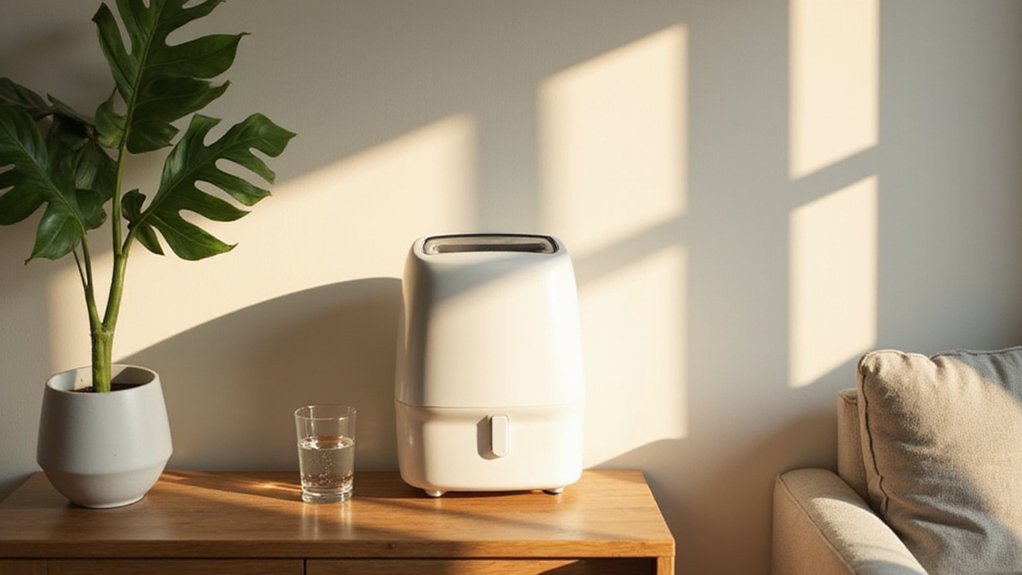
Even though the water dripping from your dehumidifier appears clear and clean, you shouldn’t drink it because it is neither sterile nor safe to consume. The condensation in the tank quickly picks up bacteria, mold, and dust from the internal components. The dark, moist environment inside the dehumidifier promotes microbial growth, making the water potentially hazardous. Additionally, metal parts can leach heavy metals like lead or copper into the water, further compromising its safety. Since the water isn’t distilled or food-grade, consuming it poses health risks. It’s best to use this water for tasks like watering non-edible plants, ironing, or cleaning windows. Unlike the airflow generated by bladeless fans, which is designed to be clean and efficient, dehumidifier condensation lacks any purification process. For example, a top-rated window air conditioner uses a sealed system and filters to cool air, but it does not make the condensate potable. Always follow safety precautions by avoiding drinking dehumidifier water unless it has been thoroughly treated through boiling or advanced filtration, which most experts recommend against. The clear appearance is misleading; it does not guarantee safety. To stay safe, keep dehumidifier water strictly for non-drinking purposes. A dedicated bedroom dehumidifier is designed for reducing humidity, not for producing potable water.
What’s in Dehumidifier Water That Makes It Unsafe?
Dehumidifier water is unsafe because it contains biological and chemical contaminants that can pose health risks. While it lacks the minerals found in drinking water, it can harbor bacteria, mold, fungi, and other microorganisms that thrive in stagnant, warm, and humid conditions. Additionally, chemicals from the environment or appliances, such as volatile organic compounds (VOCs) and cleaning agents, can dissolve into the water. Using a high-quality dehumidifier for centipedes can reduce indoor humidity levels, but the collected water still remains unsafe for consumption. Drinking or even contacting this water can lead to allergic reactions, infections, or other health issues, making it unsafe for consumption or skin contact. To avoid these dangers, you should never use dehumidifier water as a substitute for tap or bottled water, just as you would not rely on a device without proper safety precautions to prevent electrical or fire hazards. For a different approach to controlling noise and humidity, some people instead choose a white noise machine to mask disruptive sounds in the room.
Isn’t It Basically Distilled Water? (Why Clean-Looking Doesn’t Mean Safe)
Dehumidifier water looks clean because it appears clear and free of visible particles, but it is not necessarily safe to drink. This water is simply condensed moisture from the air, which can pick up chemical contaminants from the dehumidifier’s coils and tank. These components often leach metals such as lead, introducing dangerous toxins into the water. Additionally, stagnant water inside the tank creates an ideal environment for microbial growth, including mold, bacteria, and algae—organisms that are invisible to the naked eye. Unlike air purifiers that actively remove pollutants, dehumidifiers lack any filtration to capture these chemical and microbial contaminants. Even if you clean the tank regularly, you cannot guarantee the water is free of harmful microbes or chemical residues. For hardwood floor owners, using a dehumidifier to protect hardwood floors from moisture damage is a wise practice, but the water collected should never be considered potable. Freshly condensed water is the closest to pure, but without proper sterilization or testing, it remains unsafe. You should think of dehumidifier water as a chemistry experiment rather than a safe drinking source. Its clear appearance can be deceiving, so never confuse looks with safety. For context, air purifiers are designed to actively capture such pollutants, whereas dehumidifiers simply condense moisture without any removal process.

17 IMPORTANT PARAMETERS: The Varify Premium Drinking Water Test Kit offers an unrivaled, complete analysis of your drinking water by testing for 17 essential parameters. This includes crucial tests for chlorine, fluoride, lead, iron, bacteria, and more, ensuring that you're fully informed about the quality of your water. With this extensive range of testing capabilities, you can detect contaminants and imbalances that could affect your health, providing a holistic view of your water's safety.

PROTECT YOUR HOME AND WELLNESS: Understand the impact of hard water on your home and health. Hard water can damage appliances, clog pipes, and affect your skin and hair. By using Varify's Water Testing Kit to monitor your water's hardness, you're taking an important step in preventing potential damage and ensuring the well-being of your household.

Clear Range: This house water testing kit offers clear, easy to read results and acceptable ranges for all substances. The water contaminant tester delivers clear results on any type of water
Can Boiling Make Dehumidifier Water Safe to Drink?
Boiling dehumidifier water does not make it safe to drink. While it kills bacteria, viruses, and parasites, it does not remove chemical contaminants such as lead, copper, or volatile organic compounds (VOCs). As the water evaporates during boiling, these chemicals can become more concentrated, increasing potential health risks. Additionally, boiling does not eliminate dust, microplastics, and residues from stagnant tank water, which can persist in the boiled water. The water also likely contains harmful bacteria, fungi, and microbes that may survive in biofilms even after boiling.
Even after boiling, water from a dehumidifier remains unsafe because chemical pollutants and physical contaminants are unaffected. Microbial hazards are addressed, but toxic metals and chemicals linger, often at higher concentrations. Plus, biofilms or mould in the tank can recontaminate the water once it cools. Therefore, boiling dehumidifier water does not render it potable or safe for drinking—only germ-free, but still chemically hazardous.

One bottle of 50 Potable Aqua Water Purification Tablets and one bottle of 50 Potable Aqua PA Plus tables

DRINKING WATER, ANYTIME, ANYWHERE - Aquatabs are the world's most popular tablet and the ultimate choice for portable water treatment tablets. Removes 99.9999% of Bacteria, 99.99% of Viruses, and 99.9% of Cysts (Giardia).

TREAT YOUR WATER - P&G Purifier of Water Packets are highly effective and are registered as a disinfectant by the EPA. These emergency water pouches remove 99.9999% of bacteria and 99.99% of viruses.
Will a Filter or UV Light Make It Safe? (Spoiler: Probably Not)
A filter or UV light alone won’t make dehumidifier water safe to drink. A basic filter can remove some particles, but it won’t eliminate dissolved metals, chemicals, or microbes originating from dirty coils and tanks. Water clarity is not an indicator of safety.
UV light can kill bacteria and mold, but it cannot remove heavy metals like lead or chemical residues. Suspended debris can block UV exposure, shielding microbes from inactivation. Additionally, contamination from storage surfaces can reintroduce hazards after treatment. Air quality monitors can detect airborne mold spores, but they do not assess the liquid contamination in dehumidifier water.
The core issue is multi-contaminant presence: stagnant water encourages mold and algae growth, while airborne pollutants and metal residues from appliance parts remain. Relying solely on one treatment step like filtration or UV does not adequately address these combined threats. Unlike best aroma oils specifically formulated for humidifiers, dehumidifier water lacks any quality controls for safe consumption. For comparison, even low profile ceiling fans require strict engineering standards to ensure safe operation, while dehumidifier water has no such safety protocols.

High-Flow 12GPM :uv light water treatment experience powerful purification, filling a 200ml cup in just 3 seconds. Designed specifically for Whole House Reverse Osmosis systems, this 55W UV filter ensures every drop is treated effectively without sacrificing water pressure.

12GPM 55W 21 inch long and 3.5 inch diameter. MNPT Inlet/Outlet: 3/4" Inch.
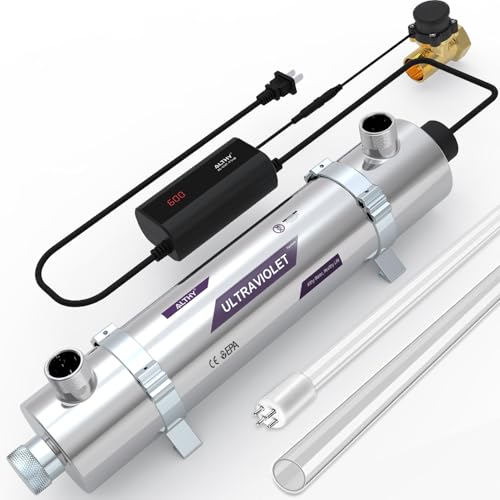
Whole-house water treatment: As an upgraded version, ALTHY UV͎F-FS48 is the perfect step to add to your whole-house water filtration system, ALTHY powerful UV͎-C technology , allowing you to enjoy all the water in your home with peace of mind.
Safe Uses for Dehumidifier Water (Not for Drinking)
Dehumidifier water is suitable for household cleaning tasks, but not for drinking or touching food-contact surfaces without proper sanitation. It works well for mopping floors, washing windows, and scrubbing bathrooms. You can also mix it with soap for general cleaning purposes. Its low mineral content helps reduce water spots, making it especially good for washing cars. Always ensure surfaces to be cleaned are thoroughly sanitized afterward when using dehumidifier water on food-contact areas. Using it for these purposes helps conserve tap water and minimizes waste. In humid areas, a dehumidifier can produce approximately 3 gallons of water every 24 hours, making this cleaning supply readily available. For pet owners concerned about airborne allergens, an air purifier rated for cat dander can similarly improve indoor air quality when used alongside these cleaning practices. When selecting a device, comparing running cost between an air cleaner and a dehumidifier can help you decide which appliance best fits your space.

KEEP CLEAN AND DIRTY WATER SEPARATE: Dual-tank system keeps clean and dirty water fully separate so you always mop with fresh water, improving cleaning results and reducing cross-contamination. Clean water tank cleans up to 650 sq ft per fill

No-rinse, professional-grade floor cleaner with a lemon scenT

Spray Mop Includes: 1 x Spray Mop, 2 x Reusable Mop Pads, 2 x Disposable Mop Refills, 1 x 500+ ML Bottle, 1 x Scrubber
What Should You Do If You Drank It?
If you’ve accidentally swallowed dehumidifier water, stop drinking immediately and rinse your mouth with clean water. The amount ingested and your symptoms determine your next steps. For a small sip or if you feel fine, drinking small amounts of clean water and monitoring your condition is usually safe. However, if you swallow a large amount, are a child, or experience symptoms like breathing trouble, call poison control right away. Do not induce vomiting unless instructed by a medical professional. Even minimal ingestion from a contaminated tank poses environmental hazards due to bacteria, mold, or metal residues. Using a high-quality air purifier with a HEPA filter can help reduce airborne contaminants in your home that may contribute to respiratory issues. Watch for symptoms such as nausea, stomach upset, cough, or difficulty breathing. Keep your dehumidifier’s model and cleaning history handy for medical personnel. Regularly check and clean your unit’s tank and coils to prevent bacterial or mold buildup, reducing the risk of contamination, and consider using a washable filter to improve overall air quality in your home. For a more pleasant indoor atmosphere, you might also explore essential oil diffuser oils to naturally scent your space. If symptoms persist or worsen, seek emergency medical evaluation immediately.
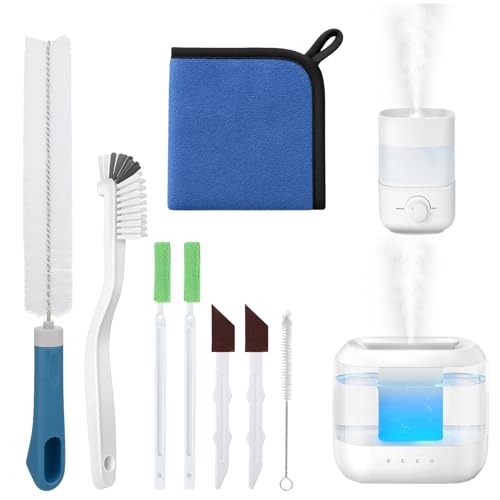
Humidifier Cleaning Solution:Still looking for a cleaning tool that can thoroughly clean your humidifier? Come and try our humidifier cleaning brush set!The nylon brush cleans the stains on the base, the sandpaper brush powerfully removes the severe scale at the bottom, and the long brush can easily reach the air outlet and the interior of the water storage tank, thoroughly cleaning every corner of the humidifier in all aspects, making your humidifier look brand new and more reassuring to use.

Dual UV-C & UVA 360° Surface Hygiene Care | Premium Hearing Aid Cleaning Kit This practical hearing aid cleaning kit is equipped with dual UV-C and UVA LED lights to deliver full 360° all-round surface care, effectively refreshing the surface of hearing aids, wireless earbuds and cochlear implant accessories. Unlike ordinary single-light designs, the dual-wavelength layout covers every corner of your devices thoroughly, keeping them clean and comfortable for long-time daily wear.
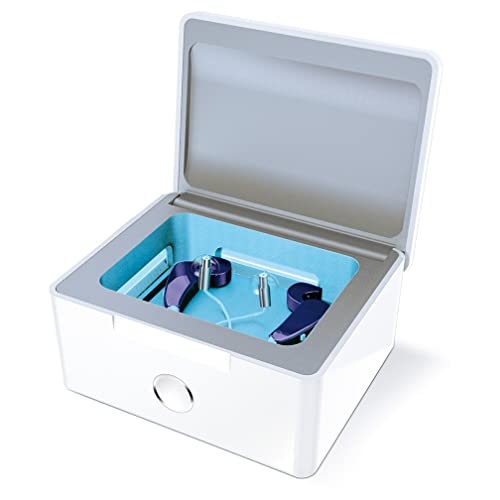
WORLD'S FASTEST, EASIEST HEARING AID DRYER - Open lid. Close lid. Wait 45 minutes. It's THAT simple! Most hearing aid dryers take HOURS to complete a cycle. Ours takes a fraction of that time & automatically shuts off at the end of the cycle, so you never have to worry about leaving your devices in too long.