Can You Plug a Space Heater Into a Power Strip?
Wondering if you can safely plug a space heater into a power strip? The quick answer is no—not only is it unsafe, but it can also cause serious hazards.
Space heaters draw a lot of power, often up to 1,500 watts, which can overload typical strips and lead to melting or fires.
Keep reading to learn the safest way to set up your heater.
No, Never Plug a Space Heater Into a Power Strip
You should never plug a space heater into a power strip. Space heaters can draw up to 1,500 watts on their highest setting, which exceeds what most power strips are designed to handle. This high, continuous current causes the internal wiring of the strip to overheat, melt, and spark, creating a serious fire hazard. Fire departments and the Electrical Safety Foundation International both warn against using extension cords and power strips with space heaters for this reason. Using incompatible or unrated extension cords increases electrical risks and compounds the danger. Unlike air conditioner units that often require heavy-duty circuits, space heaters draw sustained high amperage on their highest settings. Using a dehumidifier instead of a space heater can reduce fire risk while lowering household humidity, which discourages pests like centipedes. The safest option is to plug the heater directly into a grounded wall outlet. A circuit breaker on the strip does not make it safer because the strip itself cannot handle the load, regardless of its features. To further reduce risk, consider using a dedicated air purifier that includes an ionizer for clean indoor air instead of relying on a space heater for comfort. Always connect your space heater straight to a wall outlet to protect your home and prevent fires.
Why Space Heaters Overwhelm Most Power Strips
Space heaters overwhelm most power strips because they draw a continuous load of around 1,500 watts on high for hours at a time. This constant high current exceeds what the thin wiring and small contacts inside a typical strip can safely handle. Unlike brief power surges, this sustained current gradually heats the internal components of the strip, which can lead to melting plastic insulation and loosening terminals over time. Even if the strip is equipped with a circuit breaker, it usually won’t stop the gradual buildup of heat that occurs before the breaker trips. Cheap power strips also tend to introduce electrical noise into your heater’s sensitive electronics, causing erratic operation. Essentially, you’re forcing a device designed for a 15-amp wall outlet through components built for lamps and chargers. The result can be dangerous heat buildup, increased resistance, and hidden damage that may cause failure without warning. Using a mold-free home requires monitoring indoor conditions with an air quality monitor to detect excess moisture that could promote hidden mold growth.

✅Premium Safety Features: Protect your desk power strip with 2100 Joule surge protection and a built-in auto shutdown fuse. Reliable safety protection switch will automatically trip off in case of over-voltage, over-current, overload, high temperature and short circuit to protect your equipment.
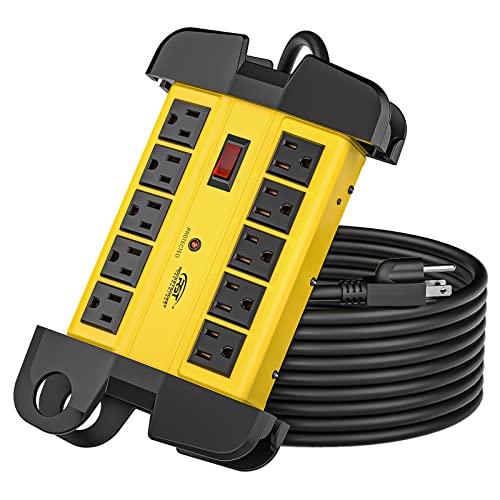
--Sturdy, extruded aluminum housing stands and Surge Protection constructed. CRST Industrial Power Strip is perfect for construction site, labs, and other harsh environments.
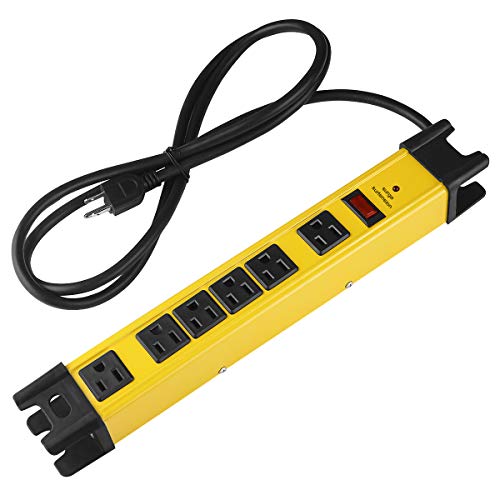
1200J heavy duty surge protection with bright yellow aluminum housing, used in garage or shop workbench to charge and operate multiple tools and equipments.
Fire Safety Experts Agree: Wall Outlets Only for Heaters
Plug your space heater directly into a wall outlet—that is the safest and recommended practice. Never use a power strip or extension cord for a heater because they are not designed to handle the high current draw over extended periods. Using these can cause the cord or strip to overheat, leading to potential fires. The intense electrical demand from a space heater can also break down insulation over time, making the cord brittle and more likely to fail. Additionally, avoid sharing the outlet with other devices or plugging the heater into a dimmer switch, as neither are rated for the high load. Keep the heater at least three feet away from anything flammable, and always turn it off when you go to sleep or leave the room. Sticking to a wall outlet is your best line of defense against overheating and fire risks. Avoid daisy-chaining power strips, as this increases fire risk significantly, especially when a space heater is connected.
Melting, Sparks, and Fire: 3 Ways a Power Strip Fails
Power strips are not designed to handle the high continuous load of a space heater, which is typically 1,500 watts. When you plug a heater into a power strip, the internal wiring and contacts are forced to carry this load, causing them to overheat. This overheating softens the plastic housing, leading to warping and melting. Once the plastic melts, the integrity of the contacts is compromised, resulting in degraded connections. Each time the heater cycles on, these weak connections generate sparks—electrical arcs that jump across failing joints. These sparks create direct pathways to fire, and combined with the heater’s element reaching temperatures over 500°F, the risk of ignition rises sharply. This chain of events can rapidly lead to melting plastic, sparking, and eventually a house fire. Similarly, a bedroom dehumidifier expects a dedicated outlet to avoid overloading circuits and preventing overheating hazards. For those seeking relief from respiratory symptoms, a top-rated humidifier can also ease wheezing by maintaining optimal moisture levels in the air.

Wall-Mounted or Hanging Space Saver: At 13 x 10.24 x 4.92 inches, Sweetcrispy wall-mounted space heater installs flush to free up floor space — both take just minutes to install with basic household tools

【Durable & Portable Space Heater】The SHINIC milkhouse heater features a heavy-duty, all-metal housing that is durable and strong enough to last for years. Equipped with an stay-cool convenient carry handle, help you easy to move this heater when it's working
The Only Safe Way: Plug Directly Into a Wall Outlet
The only safe method is plugging your space heater directly into a wall outlet. Using a power strip or extension cord is risky because they are not designed to handle the high 1,500-watt load that heaters draw. Connecting directly to a wall ensures proper compatibility and reduces the chance of overheating or electrical fires caused by loose wiring or contacts in strips. It also provides a stable power path, minimizing electrical stress on the heater and outlet. For maximum safety, use a dedicated outlet that does not share power with other devices. This helps prevent overloading circuits, which can cause fires. Additionally, placing heaters on nonflammable surfaces like tiles further reduces fire hazards. Always turn off and unplug your heater when leaving the room to avoid unnecessary hazards.

FAST 3-SECOND CERAMIC HEATING: Built with a PTC ceramic heating element, this 450W wall outlet heater releases warm air in just 3 seconds. Plug it into any standard 120V grounded outlet and get instant targeted warmth, with no cords on the floor and no floor space wasted.

🔥 Fast Heating Ceramic Heater: Brightown upgraded ceramic electric plug in heater adopt a high-quality ceramic PTC heating plate, which can quickly heat up in 2 seconds to output a constant temperature, let you arrouded warm quickly and get rid of the annoying cold

180° Rotating Plug & Compact Design – Perfect for Tight Spaces: This small space heater for indoor use features a unique 180° rotating plug that adjusts to any outlet angle, ensuring a secure fit in tight spaces. Its compact, wall-plug design eliminates cord clutter, making it ideal for small rooms like bedrooms, bathrooms, or offices
Why Heavy-Duty Strips Still Aren’t Safe for Heaters
Heavy-duty power strips are still unsafe for space heaters because their internal wiring and contacts add resistance. This added resistance generates heat that you cannot see, which increases voltage drop. As a result, your heater draws more current than the strip is designed to handle, pushing the circuit beyond its capacity. The thinner wire gauge inside these strips struggles to manage the continuous high load of a space heater, leading to silent overheating of contacts and conductors. Unlike the low-wattage operation of a tower fan, which uses a rotating blade assembly to move air without generating intense heat, space heaters place a sustained and dangerous thermal load on any intermediate wiring. Moreover, connecting multiple high-power devices to the same strip creates a concentrated current peak, accelerating heating and material degradation through the Joule effect. Even high-quality strips with surge protection cannot prevent this gradual thermal damage. The safest choice remains plugging your heater directly into a dedicated wall outlet on its own circuit. Unlike electric diffusers that operate safely on low-wattage circuits, space heaters create a high-resistance hazard that power strips were never designed to withstand.

180° Rotatable Plug: Brightown plug in heater features a unique 180° rotatable plug design to flexible installing in any standard wall outlet. Measuring 4.0 x 4.5 x 6.9 inches, it's compact and portable without taking up floor space, making it the perfect heater for indoor spaces like bathrooms, bedrooms, offices, dorm rooms, and desks

【PTC technology & Start heating in 2s】No more waiting in the cold—Minetom space heater uses advanced PTC ceramic technology to deliver soothing warmth in just 2 seconds. Get instant comfort exactly when you need it.

💞Fast and Nearly Silent Heating: This wall-mounted electric heater uses a high-quality ceramic PTC heating element to quickly heat small spaces in just 2 seconds, operating quietly (below 36 decibels) to ensure a better sleeping and working environment.
How to Spot a Power Strip Overheating From a Space Heater
If a power strip feels warm to the touch while your space heater is operating, it’s a sign of overheating that requires immediate action. The warmth indicates either excessive current flow or poor contact between the plug and outlet. Space heaters draw high electrical loads, often pushing power strips beyond their safe capacity. Check the strip’s body for discoloration, melted plastic, or warping, which all point to serious heat buildup. Inspect the cord carefully for damage such as fraying or scorching, as internal wiring may no longer be able to handle the load. Smell for burning odors; a burnt smell can signal internal damage or melting components. Pay attention to buzzing or crackling sounds, which can indicate electrical arcing—an extremely hazardous situation. Gently wiggle each plug connection to see if it’s loose, as loose connections generate additional heat. This overheating can also lead to excess moisture inside the power strip, creating conditions that promote mold growth. Using a fan to circulate air around the area can help reduce dust accumulation that otherwise traps heat on the strip’s surface. Choosing a top room space heater with lower wattage can reduce the risk of overloading the power strip. If any of these signs are present, unplug the heater immediately and replace the power strip without delay. Never wait for visible damage to appear before taking action.

[Metal Heavy Duty] Heavy duty power strip with extra-thick aluminum alloy housing and reinforced engineering plastic covers make it extremely strong and durable. The 6 outlet power strip is equipped with a sturdy 6ft cord, allowing convenient placement of the metal power strip in locations far from the power source without worrying about the cable being too short. And 15AMP/14AWG SJT grade wire supports up to 125V/1875W of power.

SHIPMENT CONTAINS: 12-outlet surge protector power strip with 8-foot extension cord delivers reliable electricity and safeguards electronics from surges and outages

Powerful Power Specifications: Our 24v DC power supply supports a wide voltage input range, from AC 100V to 240V 50/60Hz, while providing a stable DC 24V output, with a maximum of 6A, and a total power of up to 144W. This ensures its capability to meet the demands of high-power devices.
Other Power Strip Dangers to Watch For
Power strips are not designed to handle high-wattage devices like space heaters. Using a strip for such appliances risks inadequate circuit protection, which can lead to overheating, sparking, or failure of the internal wiring. Cheaper strips often lack the necessary safety features to manage sustained, high electrical loads—these can cause the wiring to melt or ignite nearby materials like curtains or bedding.
Additionally, plugging a space heater into a power strip or extension cord can cause voltage drops due to long cords, increasing electrical stress and heat buildup. This heat may melt insulation or cause a fire. Never rely on surge protection as a safeguard for heaters—always plug them directly into a wall outlet for safe operation. For best results with any home fragrance device, always flip the reeds periodically to refresh the scent throw and maximize oil diffusion. For campers, choosing a dehumidifier designed for low electrical loads ensures safe operation without overburdening the vehicle’s limited circuits. Monitoring pollutant levels is a key step in identifying whether your home’s electrical or ventilation systems are contributing to indoor air quality problems.
Two Heater Safety Rules That Prevent Most Fires
To prevent most heater-related fires, follow two simple yet crucial safety rules. First, always plug your space heater directly into a wall outlet. Avoid using power strips, surge protectors, or extension cords, as these overload and overheat under the high current draw of a heater. Both the Consumer Product Safety Commission (CPSC) and UC Davis Health emphasize this practice since it reduces the risk of electrical fires caused by improper connections.
Second, keep the heater at a minimum of 3 feet away from any combustible materials. This includes drapes, furniture, bedding, papers, or clothing. Maintaining this clearance minimizes the chance of ignition from radiant heat or accidental contact. Most heater fires originate either from faulty electrical connections or from objects placed too close to the heater. By adhering to these two key rules, you address the primary fire hazards and ensure safer operation of your heater. Remember to inspect cords regularly, use only UL-listed models, and turn off the heater whenever you leave the room. Consistent, simple actions significantly decrease fire risks.