How Much Does It Cost to Run a Space Heater?
Wondering how much it costs to run a space heater? The price varies depending on the size and your electricity rates, but on average, a 1,500-watt heater will run about 20 to 26 cents an hour.
If you use it for several hours a day, those costs can add up quickly.
Here’s what you need to know to estimate your heating expenses.
How Much Does a Space Heater Cost Per Hour?
A standard 1,500-watt space heater costs approximately $0.20 to $0.26 per hour to run. This cost is based on your local electricity rate and provides a straightforward way to estimate operating expenses. If you lower the wattage to around 750 watts, the cost drops to about $0.10 to $0.13 per hour. Remember, the heat efficiency remains unchanged; wattage directly determines the power draw. Keep safety in mind—higher wattage heaters draw more current. Never plug a 1,500-watt unit into an extension cord or overloaded socket. For those seeking cleaner air alongside heating, consider a HEPA air purifier for improved indoor air quality. By sticking to the wattage-based calculations, you avoid unexpected charges, though your local rates will influence the exact figures. The formula remains consistent regardless of where you live. For comparison, a window air conditioner rated at a similar wattage would have a comparable operating cost but is designed for cooling instead. Using a dehumidifier instead can help control humidity levels that attract pests like silverfish.

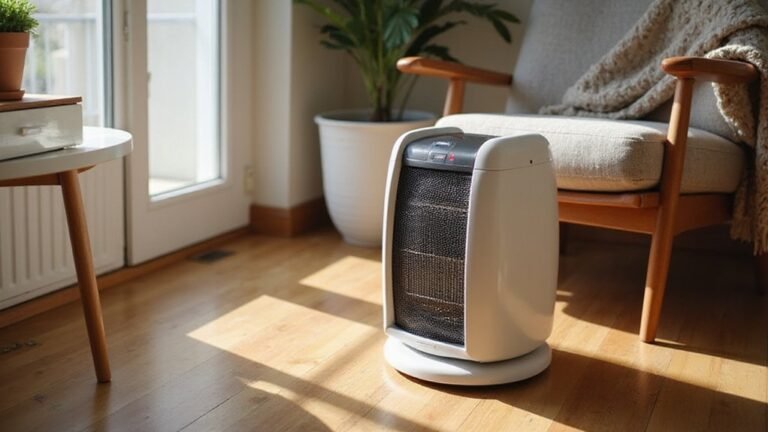
Powerful heat that fits everywhere: DREO space heaters for indoor combines Hyperamics 1500W advanced PTC system with a new heat funnel design to deliver heat within seconds and enhance warm air circulation for up to 200% farther reach than traditional heaters.
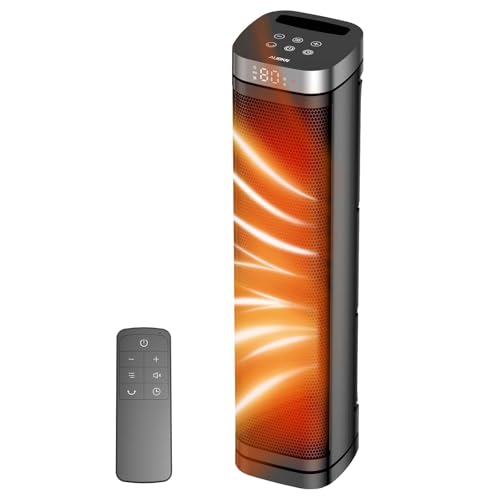
1500W Ceramic Fast Heating: This electric space heater features advanced PTC ceramic heating technology for instant warmth—heats up in just 3 seconds to quickly bring comfort to bedrooms, studies, or offices.
Calculate Your Space Heater Cost in 2 Minutes
You can determine your daily space heater cost in about two minutes using just three numbers: your heater’s wattage, the number of hours you run it each day, and your electricity rate. First, check the label on your heater for wattage—common values are 750W or 1,500W. Then, estimate how many hours per day you’ll use the heater, using a decimal for partial hours, like 0.5 for 30 minutes.
Next, multiply the wattage by the hours used, divide that total by 1,000 to convert watts to kilowatt-hours, and finally multiply by your electricity rate in dollars per kilowatt-hour. This calculation gives you your daily cost. To estimate monthly expenses, multiply the daily cost by 30. For a more precise comparison, remember that DIY thermostat efficiency can reduce runtime by automatically cycling the heater only when needed, which directly lowers your total kilowatt-hours consumed. Understanding how air purifiers work can similarly help you evaluate the energy efficiency of other household devices. Similarly, using a dehumidifier to control indoor humidity levels can create a less hospitable environment for pests like centipedes, which thrive in damp conditions.
What 1,500 Watts Costs at Your Electricity Rate
A 1,500-watt heater costs about $0.21 per hour at the average U.S. electricity rate of 14.19¢ per kWh. Since the heater consumes 1.5 kWh every hour, multiply 1.5 by your local rate to find your hourly cost. For example, at a rate of 10¢/kWh, it costs only $0.15 per hour; at 20¢/kWh, $0.30; and at 30¢/kWh, $0.45. This quick calculation helps you estimate expenses and manage your heating budget effectively. In contrast, a bladeless ceiling fan uses air multiplication to move air efficiently with minimal energy. Using energy-efficient upgrades like programmable thermostats can also lower runtime and save money over time. A bathroom dehumidifier, which removes excess moisture to prevent mold, typically uses less wattage than a space heater, making it cheaper to operate per hour. Always follow safety guidelines: keep space heaters at least three feet from combustibles, plug them directly into the wall, and never leave them unattended.

Personal Heater: Our heaters for indoor use help keep your personal space at home or in the office toasty warm and cozy so you can stay focused on work and not being cold.

ETL-Certified Safety: Made of V0 flame-retardant materials with multiple safety features including built-in smart tip-over protection, overheat protection, 12-hour timer, 24-hour automatic power off without interaction, V0 flame retardant 2-prong plug, and sturdy 6ft long flat power cord. Safe and worry-free all-day use. Safety Reminder: Please do not use with an extension cord. Only plug directly into the wall outlet.

POWERFUL ELECTRIC SPACE HEATER: Trade the extra layers for real warmth. 1500W of quiet ceramic heat and wide oscillation cover medium-sized rooms, so heat reaches every corner of your bedroom, not just the area by the vent.
Your Daily Bill for Running a Heater 8 Hours
Running a 1,500-watt space heater for 8 hours a day typically adds about $2 to your daily electricity bill at average U.S. rates. You can lower that cost by using the heater’s thermostat to cycle it on and off, which reduces actual power consumption compared to running it at full blast continuously. Proper heating maintenance, such as cleaning filters and checking seals, helps prevent unnecessary power waste. Your electricity rate influences the daily expense: at $0.14 per kilowatt-hour, it costs approximately $1.68 a day, whereas at $0.18 per kilowatt-hour, it rises to about $2.16. Using a lower wattage setting, like 750 watts instead of 1,500, cuts your daily cost roughly in half—down to about $0.96. For even greater savings, pairing the heater with improved home insulation reduces runtime and further cuts energy waste. Remember, even with these savings, heaters draw significant power, so pairing them with good insulation and avoiding over-reliance for whole-home warmth can help keep costs manageable. Consider reviewing top-rated air purifiers for improving overall indoor air quality alongside your heating strategy. For a more permanent solution, consider comparing portable vs window units for efficient cooling in summer months.

CUSTOMIZABLE HEATING OPTIONS: Choose from three settings to suit your needs - High (1500W), Low (900W), or Fan Only for air circulation without heat.
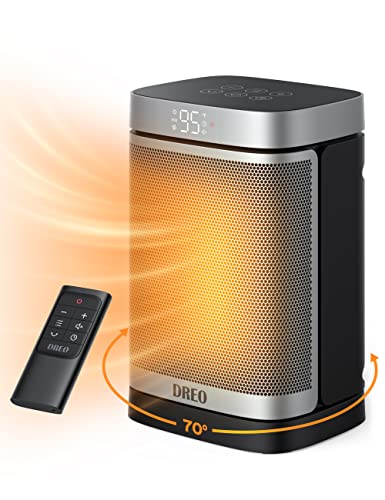
Faster Heat Than Ever: Powered by DREO Hyperamics Technology, Atom One space heater heats up more efficiently with up to 1500W working power, reaching your desired temperature immediately, letting you feel fast, balmy heat straight away. This electric heater is meant to sit by your feet on the floor, near your hands on a desk, or carry around indoors. Add our heaters for indoors use to your cart & experience our amazing heater and customer service

Powerful heat that fits everywhere: DREO space heaters for indoor combines Hyperamics 1500W advanced PTC system with a new heat funnel design to deliver heat within seconds and enhance warm air circulation for up to 200% farther reach than traditional heaters.
The Real Cost of All-Night Space Heater Use
Running a 1,500-watt space heater all night can cost you about $0.20 to $0.25 per hour. An eight-hour session adds roughly $2 to your daily energy bill. Over a month, this can amount to around 360 kWh extra, costing between $40 and $60 at typical electricity rates. In high-rate areas, the cost could exceed $90. Using the heater’s thermostat helps reduce costs by cycling it off once the room reaches your desired temperature. To ensure safety, it is critical to never leave a space heater running while you sleep or are away from the room. Always follow safety precautions by not leaving the heater running unattended or overnight continuously. The actual expenses depend on factors like your room’s insulation and how you set your thermostat, not just the wattage of the heater. For comparison, using a reed diffuser oil for home fragrance involves no electricity cost at all.
How a 750-Watt Heater Cuts Your Monthly Cost
A 750-watt heater also offers improved safety. Since it runs cooler on circuits, there’s less risk of tripping breakers or overheating. This means you don’t need to upgrade outlets or stress about leaving the heater unattended. Halving the power not only cuts your energy costs but also enhances peace of mind and reduces safety concerns.
What Your Electricity Rate Means for Heater Costs
Your electricity rate per kilowatt-hour (kWh) determines the running cost of your space heater. For example, at 10.38¢/kWh in Washington, a 1,500-watt heater costs about 16¢ per hour. In contrast, at 22.59¢/kWh in Massachusetts, the same heater costs roughly 34¢ per hour—more than double. Although you can’t directly control your rate, you can reduce its impact by increasing your home’s energy efficiency. Insulation improvements lower the amount of time you need the heater on, which cuts overall costs even at higher rates. To ensure safe operation, always confirm your unit has certified safety features to prevent overheating and fire risks. To find out your exact heater cost, use this formula: (watts divided by 1,000) times hours times rate equals cost. For instance, with a 16¢/kWh rate, running a 1,500-watt heater for one hour costs about 24¢; at 30¢/kWh, it costs around 45¢. Choosing a humidifier for post-nasal drip can also improve indoor air quality and comfort during dry heating seasons. Unlike bladed fans, bladeless fans evenly distribute heat without disrupting the airflow near the heater.
Your Monthly Bill If You Run a Heater 24/7
Running a 1,500-watt space heater nonstop for 24 hours a day can lead to a significant increase in your electricity bill. At the national average rate of 14.19 cents per kilowatt-hour, you would pay approximately $153 over a 30-day month. Your actual cost, however, depends heavily on your local electricity rate; for example, in California at 22 cents per kWh, the same heater could cost nearly $238 monthly. You can reduce these costs through proper heater maintenance—keeping filters clean and ensuring good airflow improves efficiency. Keep in mind, these estimates assume the heater runs continuously without cycling off, which is a worst-case scenario. For comparison, a bedroom ceiling fan uses significantly less energy to circulate air, making it a more efficient alternative for year-round comfort. Thermostat-controlled heaters turn off when reaching a set temperature, likely lowering your energy consumption and bill. A bedroom dehumidifier can further help by reducing dampness, which makes a room feel colder and may allow you to lower the heater’s setting.
Which Wattage Heater Saves You the Most Money?
The 600W heater saves you the most money compared to higher wattage units, because it consumes only 0.6 kWh per hour and costs about 9.6 cents at 16 cents per kWh. A 1,500W heater uses 1.5 kWh per hour and costs around 24 cents, which is a 150% increase for the same runtime. To maximize energy savings, match the heater’s wattage to your room size so you’re not oversizing. For example, a 750W heater typically costs about $18 per month, while a 1,500W model could run around $36. Keep in mind that if a lower wattage unit needs to run longer to heat a space, the savings may diminish. Choose the smallest wattage that heats your space quickly enough to keep your electric bill low without sacrificing comfort.

[Flexible Maunal Tilt for Targeted Warmth] Manually tilt the portable heater from 10° downwards to 40° upwards, enjoying warmth from different angles. Place it on a table or floor, heating wherever you need it.

【SAFETY FEATURES】 Overheat protection ensures the space heater does not overheat even if left on for an extended amount of time.It will turn off automatically if the device accidentally tips over or reaches a high temperature of 176 ℉ to effectively avoiding burning or fire or any other safety accident

CUSTOMIZABLE HEATING OPTIONS: Choose from three settings to suit your needs - High (1500W), Low (900W), or Fan Only for air circulation without heat.
Does Your Space Heater Cost Less Than Central Heat?
A space heater costs less than central heat when heating a single room for a few hours each day. Typically, running a space heater for about four hours a day can cost around $1 to $1.50, while central heating in the same timeframe may cost between $3 and $5. This makes a space heater a cost-effective option for targeted, occasional use.
However, the energy efficiency advantage diminishes when you try to heat multiple rooms. If you use a space heater in three or more spaces, the increased electricity use can make central heat more economical overall. The key breakpoint is usually two rooms: heating only one occupied space with a space heater while lowering the thermostat elsewhere tends to save money. Instead of replacing your entire central heating system, consider supplementing it with a space heater for specific areas to maximize savings.

Widespread Warmth: DREO's 120° wide oscillation heating distributes warm air evenly from top to bottom, helping to bring fast heat to every corner of your room more efficiently than regular wall-mounted heaters.
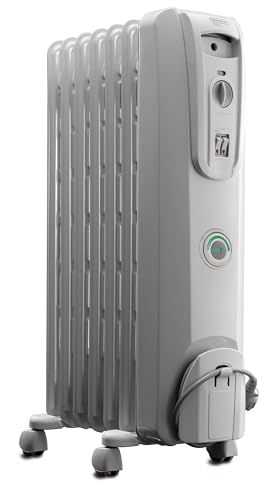
Simple Controls allow you to easily adjust power level and temperature.

Wind-Free Convection Heat: Natural convection gently circulates warm air throughout your space for balanced, comfortable heat without overly drying the air. This convection panel space heater features a 1500W X-shaped aluminum heating element that delivers fast heat transfer and efficient performance, keeping your space comfortably warm.