Can You Be Allergic to Essential Oils in a Diffuser?
Wondering if you can be allergic to essential oils in a diffuser? The answer is yes, but true allergies are rare compared to simple irritation.
You might notice redness or coughing within minutes, or itching and blisters that appear a day or two later. Knowing the difference is key to staying safe during your diffuser sessions.
Keep reading to learn how to tell them apart.
Allergy vs. Irritation: Why the Difference Matters for Your Health
An allergy involves your immune system, whereas irritation does not. Recognizing the difference is crucial because mistaking one for the other can lead you to either avoid essential oils unnecessarily or continue using one that is actually causing a sensitivity. An allergic reaction typically occurs 24 to 72 hours after exposure and triggers your immune response, resulting in delayed symptoms like itching, scaling, or blisters. In contrast, irritation appears quickly, often within minutes, showing up as redness without swelling, usually caused by overexposure or high concentrations. Using a dehumidifier to keep centipedes out may reduce pests, but airborne oils from a diffuser can still trigger reactions in sensitive individuals. To minimize reactions in the bedroom, consider choosing a fan that offers quality, performance, and value while circulating air to dilute diffuser output. For those seeking relief from both heat and airborne irritants, selecting a top window air conditioner can help filter and cool the air without adding essential oils.
Proper skin testing, such as patch testing, is your best tool for confirming true sensitization. Mislabeling irritation as an allergy can lead to needless avoidance, whereas missing an allergy can allow the sensitivity to worsen over time. Essential oils like tea tree, ylang-ylang, and lemongrass are common culprits for contact allergy. Knowing this difference allows you to respond appropriately: see a healthcare professional for allergy testing, while simply reducing exposure is enough to manage irritation.
How Diffused Essential Oils Release Lung-Irritating Compounds
Diffused essential oils release compounds that can irritate your lungs directly upon inhalation. These volatile organic compounds (VOCs) can cause airway inflammation, which manifests as coughing, throat irritation, or difficulty breathing. The risk increases if you use diffusers in poorly ventilated spaces or leave them running continuously because nano-sized particles can penetrate deeper into your lungs, bypassing initial defenses. This chemical irritation often mimics allergy symptoms but is actually caused by the direct contact of these airborne compounds with your respiratory tissues. For plant owners, using a diffuser near moisture-loving species like calathea may worsen indoor air quality, as the same VOCs can interfere with the best humidifiers for Calathea designed to maintain clean, plant-safe humidity levels. Regularly cleaning your diffuser prevents mold and buildup that can release additional irritants into the air. Even with proper ventilation, air purifiers cannot fully remove these VOCs because many models rely on particle filtration rather than chemical adsorption, leaving the gaseous irritants suspended in your breathing zone.

【 Powerful 3-in-1 Air Purification & Humidification】:Combines HEPA-grade air filtration, gentle humidification, and essential oil diffusion in one sleek device. With a coverage area of up to 1,000 sq. ft, it effectively filters out smoke, unpleasant smells from the air in your large or small room, bedroom, living room or office.. Breathe fresher, cleaner air and feel revitalized all day.

SANTAL — The original Santal home scent, and our most iconic fragrance. Creamy Australian sandalwood with warm amber, papyrus, and dry woods — smooth, modern, and quietly confident. The luxury hotel scent, now for your home.

Effortless Operation: Simplified control panel with intuitive design makes it easy to operate. No complicated setup—just one tap, and you're on your way to cleaner air, saving time and letting you relax with ease
Common Symptoms to Watch For
Exposure to diffused essential oils can trigger allergic reactions with symptoms across several categories. Respiratory symptoms include sneezing, a runny nose, nasal congestion, coughing, and shortness of breath. Eye and mucous membrane irritation may present as redness, watering, burning sensations, or throat discomfort. Skin reactions such as redness, itching, rash, blistering, or scaling are also common. Watch for chest and breathing warning signs like wheezing, chest tightness, bronchoconstriction, or asthma symptoms, which require immediate attention. Severe reactions—including swollen lips, tongue, or throat, widespread hives, dizziness, fainting, vomiting, or a feeling of impending doom—are emergencies. If any of these symptoms occur, prompt action is essential to ensure safety.
Who Is Most Likely to React to Diffused Oils?
People with respiratory conditions, allergies, or compromised skin barriers are most likely to react to diffused essential oils. If you have asthma or other respiratory diseases, inhaling oils can irritate your airways and trigger symptoms like coughing or shortness of breath. Those with allergies or atopic tendencies are also at higher risk because their immune systems may react to fragrance compounds or plant-based molecules, even from a diffuser. Additionally, individuals with atopic dermatitis or damaged skin barriers are more susceptible to sensitization because reduced barrier function allows allergens to penetrate more easily. To mitigate risks, consider using replaceable filter air purifiers that can help remove airborne irritants from the environment. Unlike a standard fan, an air circulator mixes room air more thoroughly to dilute concentrated particles. Occupational exposure significantly increases your risk. If you work in aromatherapy, massage therapy, or essential oil manufacturing, handling oils frequently or being exposed to airborne particles can lead to delayed hypersensitivity reactions. Children, pregnant women, older adults, and pets are especially vulnerable due to their developing or weakened immune systems, which react more readily to such substances. In shared or public spaces, sensitivity levels vary, making it unsafe to assume diffused oils are safe for everyone nearby. Regular cleaning of your tower fan can also help reduce the buildup of oil residue and potential mold in the environment.

𝗪𝗛𝗬 𝗖𝗛𝗢𝗢𝗦𝗘 𝗔𝗛𝗔𝗠 𝗩𝗘𝗥𝗜𝗙𝗜𝗗𝗘 𝗔𝗜𝗥 𝗣𝗨𝗥𝗜𝗙𝗜𝗘𝗥𝗦: AHAM (Association of Home Appliance Manufacturers) is an ANSI-accredited organization that sets strict standards for appliance performance. Air purifiers with the AHAM VERIFIDE seal have been independently tested for air cleaning performance, safety, and energy efficiency. When you choose an AHAM certified air purifier, you're choosing a product trusted for reliable and effective indoor air quality improvement

Effective Air Circulation Rate: This home air purifier can circulating air in twice per hour in a room measuring 323 ft² (30 m²), ensuring effective purification throughout the space

Description - This luxurious fragrance is inspired by the signature scent of an iconic New York luxury hotel—known for its crystal-clear elegance, timeless sophistication and warm opulence. It features notes of sandalwood, cedar, jasmine, musk, ambergris, iris, orchid and bergamot.
Which Essential Oils Cause the Most Problems?
Some essential oils are more likely to cause skin reactions than others. Tea tree oil is a well-known sensitizer, especially when it oxidizes, which increases its allergenic potential. Ylang-ylang, lemongrass, sandalwood, and clove frequently trigger allergic contact dermatitis, according to DermNet. Lavender and peppermint also appear in clinical patch-test studies with high relevance, indicating that they are more than just irritating— they can cause true allergic reactions. Using a space heater to warm the room can dry out the air, potentially increasing the concentration of airborne essential oil particles and aggravating sensitivities. For portable camping comfort, a portable air conditioner may help regulate temperature without drying the air as much as a space heater.
Understanding essential oil chemistry helps explain these risks. Compounds like limonene and linalool oxidize into potent allergens. Citrus oils, particularly bergamot, can cause phototoxic reactions, leading to burns or blisters after sun exposure. Cinnamon bark and clove contain cinnamaldehyde and eugenol, which are among the strongest known sensitizers. For those with dry mouth, using a humidifier with essential oils may help soothe symptoms, but it is important to choose a model that does not over-saturate the air or increase exposure to these allergenic compounds.
If you suspect an essential oil is causing a skin reaction, allergy testing conducted by a dermatologist can identify the specific culprit. Do not assume that all oils are safe; even common oils may provoke sensitivities in some individuals.

Certified Organic - Cliganic organic essential oils are proudly USDA organic certified to ensure ultimate quality and integrity.

Fresh Home Set (10mlx6): Experience the clean and freshening scents of our Fresh Home Essential Oil Set- Fresh Linen, Clean Home, Fresh Laundry, Crisp Breeze, Pure Soap and Lemon, each 10ml bottle delivers a clean, airy aroma that instantly freshens any space-perfect for summer or creating a clean, inviting home atmosphere

For your convenience, a Type-C cable is stored inside the water tank. Please note that a power adapter is not included. Use a standard 5V/≥1A (or higher) USB power adapter to ensure proper performance. Always place the unit on a hard, flat, stable surface, such as a tabletop or countertop. Do not place any objects underneath the unit, as they may block the air intake vents.
How to Diffuse Essential Oils Safely for Sensitive Users
To diffuse essential oils safely for sensitive users, start with short, intermittent sessions—30 minutes on followed by a break. Use your diffuser in a well-ventilated area and position it away from sleeping zones or enclosed spaces to prevent oil buildup. Always check the oil’s shelf life, as expired oils can degrade and increase the risk of irritation. Proper dilution is key; aim for a 1% or lower concentration to minimize sensitivity. Before first use, perform a patch test on a small skin area, especially if you have asthma or allergies. If you experience coughing, throat irritation, or difficulty breathing, stop using the diffuser immediately. Select pure, high-quality oils from trusted brands to reduce the chances of adverse reactions. Remember that individual tolerance varies; start with brief diffusion periods and only extend time if no symptoms arise. Also, ensure pets and children can leave the area freely, maintaining unrestricted access to prevent unwanted exposure. Additionally, clean your diffuser regularly to prevent microbial growth in the water tank, which can spread bacteria into the air. To maximize safety, always follow the manufacturer’s instructions for correct use of your diffuser. Understanding the ultrasonic vibration that breaks oil into fine mist particles can help you gauge how quickly the scent disperses in a room.

Difusor to Improve Air Quality: The cool mist aroma diffuser adopted the ultrasonic technology to create a soft environment by adding essential oils.Use it to improve your home's atmosphere quality, cover the smell of pets or smoking, and protect your family from excessively dry season, dust, and more! It suits salon,bedroom,large room, living room, nursery, office, and so on.
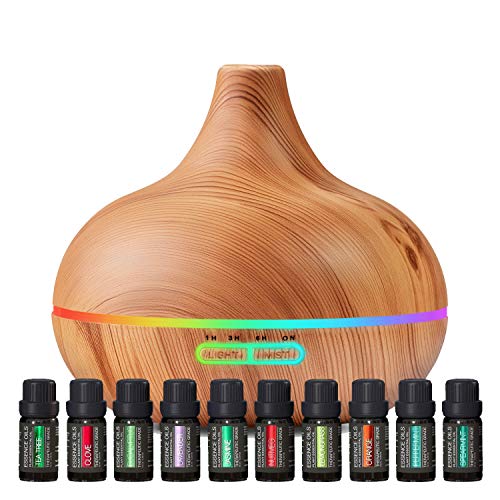
Complete Bundle – the Essence Diffuser Bundle includes an aromatherapy diffuser and 10 essential oils. Everything needed to get started immediately.

Compact and Versatile - Our small oil diffuser is designed to be compact and versatile, making it suitable for various spaces and lifestyles. Aromatherapy diffusers sleek and portable design allows you to easily move it from room to room, enabling you to enjoy aromatherapy wherever you go. Whether you want to create a soothing ambiance in your bedroom, living room, office, or even during travel, an aroma diffuser is a nice choice.
Can Diffuser Use Cause Long-Term Sensitivity?
Long-term sensitivity from diffuser use can affect about 10% of users who repeatedly expose themselves to diffused essential oils. While healthy individuals generally won’t experience lasting damage, ongoing exposure—especially without taking breaks—can lead to immune sensitization. This means your immune system may start reacting more easily to the same oils over time, even in small amounts. Using the same oil daily without variation increases the risk of this sensitization developing. Additionally, high-concentration or prolonged diffusion can cause chronic airway irritation, particularly if you have preexisting conditions like asthma or allergies. To minimize these risks, rotate different oils regularly, take periodic days off, and ensure good ventilation during diffusion. For occasional relief, consider alternative methods such as steam inhalation rather than continuous diffusing. Remember, oxidized oils, which result from heat or sunlight exposure, carry a higher likelihood of causing sensitivity. Symptoms may not appear immediately, so watch for delayed reactions that can be tricky to connect to diffuser use. Keeping diffusion intervals short and maintaining proper airflow is your best strategy to prevent long-term sensitivity. A key difference in airflow performance can be found by comparing the average CFM rating of box fans against tower fans, which may help you decide on a better ventilation method for your space. Choosing a warm mist humidifier with controlled output can help reduce the potential for oil oxidation and irritation. For optimal air circulation, consider a remote-controlled ceiling fan that offers adjustable speed settings to maintain consistent ventilation during diffusion.
What to Do Immediately If You Have a Reaction
If you suspect a reaction to essential oils, act immediately to minimize harm. Stop the diffuser right away and leave the room to get fresh air. Open windows and doors to increase ventilation, which is essential for your safety. Turn off the diffuser before more oil disperses and avoid further exposure to that specific blend.
If essential oil touches your skin, wash the area thoroughly with mild soap and cool water. Gently pat dry without rubbing, and remove any contaminated clothing. For mild skin irritation, applying a cool compress or hydrocortisone cream can help soothe the skin. An oral antihistamine may also reduce itching and swelling.
If the oil gets into your eye, rinse it immediately with vegetable oil or water to dilute the substance. After rinsing, remove contact lenses if you wear them. Seek medical attention if irritation persists or worsens. For ongoing ventilation needs, consider correct placement of your diffuser to ensure proper airflow.
When Your Reaction Requires a Doctor’s Visit
If you experience trouble breathing, swelling in your throat or face, or difficulty swallowing after using essential oils, seek emergency medical care immediately. These symptoms can indicate a severe allergic reaction or anaphylaxis, which require prompt intervention.
For other symptoms related to essential oil safety, see a healthcare professional if you develop persistent coughing, wheezing, eye irritation, or headaches after diffuser use. Reactions such as a delayed rash from airborne oils may appear 24 to 72 hours later. If the rash spreads or worsens after stopping exposure, you should get evaluated.
Doctors might perform patch testing to identify specific sensitivities, especially if you have underlying conditions like asthma or eczema. Repeated reactions after multiple diffuser uses can indicate sensitization, which requires medical assessment rather than home monitoring alone. Recognizing these signs early can prevent more serious health issues. Using a bedroom dehumidifier can also help reduce airborne oil concentration and potential respiratory irritation.
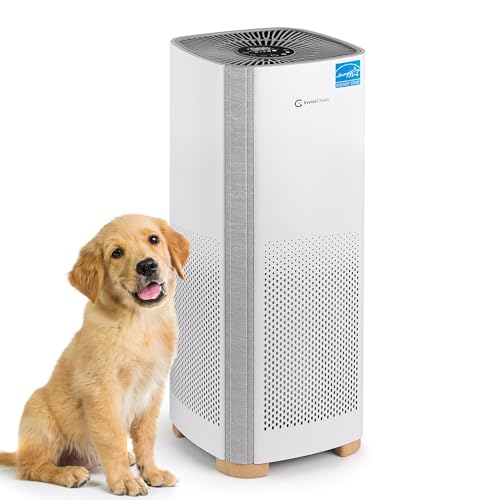
𝐆𝐄𝐓 𝐑𝐄𝐋𝐈𝐄𝐅: Three levels of filtration - H13 True HEPA air filter, Mesh Prefilter, and Activated Carbon. True HEPA air filter captures 99.99% of pollen, dust, and pet dander from 0.1~0.5 microns. Unique sealed bottom filter design allows for easy slide in/out filter changes and creates suction to prevent dirty air bypassing the filter. Ultra-quiet pet air purifier perfect for home and large rooms. PM2.5 sensor detects changes in air quality. In auto mode, the air purifier will auto adjust to clear the air quickly and automatically.

🍃Efficient Purification: Priestley small air purifier covers up to 346 ft², refreshes the air of 69 ft² room 5 times, 2 times of 173 ft², 1 time 346 ft² in an hour. Suitable for small room, bedroom, dorm, baby room.

Super Large Capacity + Can Add Essential Oils: With a 1000–1800ml water tank capacity- based air purifier doubles as an aromatherapy diffuser, air aroma diffuser can add 2–3 drops of the essential oil. This aroma diffuser with a Lavender*1, Rose*1, Ocean*1 scented essential oils( A 10ML bottle). This humidifier can gives your room a fresh & clean atmostphere when combined with essential oil blends.