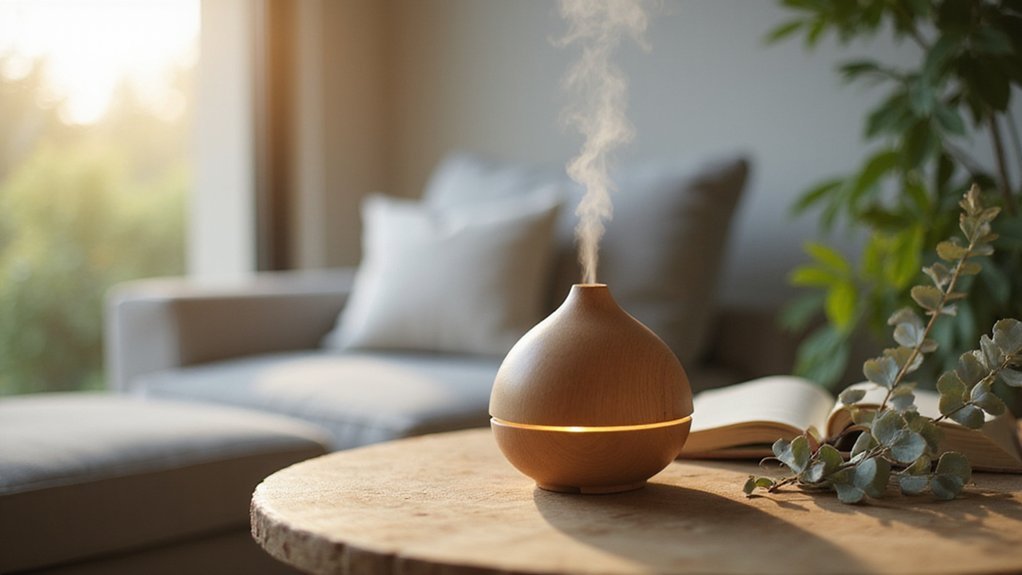
How Does an Essential Oil Diffuser Work?
Are you curious how essential oil diffusers turn fragrant oils into a soothing mist? The way they work can vary, but most use ultrasonic vibrations or pressurized air to disperse tiny oil particles into the air without heat.
Knowing which type suits your space can help you create the perfect calming environment. Keep reading to find out all the details.
Why Can’t You Just Put Pure Oil Into the Air?
Pure essential oils are too concentrated to safely disperse into the air without dilution. Pouring them directly releases a harsh, uneven cloud of volatile organic compounds, which can irritate your respiratory tract and cause coughing or throat discomfort. Unlike water droplets, these oils are heavier and don’t evaporate easily; they tend to settle on surfaces, leaving sticky residue on furniture and floors rather than dispersing a gentle scent. Without a diffuser’s controlled mechanism, you lose exposure control, increasing the risk of triggering asthma or allergy symptoms. Additionally, using essential oils in an incompatible air purifier by pouring them directly onto filters can damage the filters and reduce their effectiveness. For a safer approach, consider using an air purifier with an ionizer to help remove airborne particles that may carry oil residue. For optimal air quality, operating a bedroom dehumidifier in tandem with a diffuser helps manage humidity levels and prevents oils from lingering on surfaces. In dry environments, however, maintaining proper moisture is also key to preventing throat irritation, which is why a humidifier for dry mouth can be a valuable addition to your setup when running a diffuser. For safety and even scent distribution, always dilute essential oils properly and use a diffuser designed for this purpose.
How Ultrasonic Diffusers Create a Cool, Scented Mist
Ultrasonic diffusers create a cool, scented mist by using a tiny ceramic disc that vibrates at over a million times per second—typically between 1.7 and 2.5 MHz. This rapid movement breaks water and essential oils into micro-droplets, forming microbubbles through cavitation. When these bubbles implode near the disc’s surface, they release a fine, cool mist composed of particles measuring about 1 to 5 microns. A built-in fan then disperses this scented fog evenly into the room, providing a gentle aroma distribution without any heat. Because no heating or compression is involved in the process, noise is minimized, resulting in only a faint hum. Some models operate cordlessly for hours thanks to advanced battery technology, allowing flexible placement. The overall effect is a silent, cool diffusion that preserves the therapeutic qualities of your oils while subtly humidifying the air. This gentle mist provides a cooling sensation similar to how window air conditioners release cool air without raising humidity levels excessively. To keep energy usage low, this diffusion method draws far less power than typical heating appliances, making it an efficient option for continuous aroma. For those seeking a similar balance of performance and efficiency, you should compare top vertical window air conditioners when selecting a cooling unit.

Truly Waterless Design — Fill the container with fragrance oil (min. recommended for best performance), plug in, and enjoy. No water, no mess.

5-IN-1 AROMATHERAPY DEVICE: This ultrasonic essential oil diffuser is an amazing multi-functional aromatherapy device unlike any other you've ever used. It features a large and easy to clean 500ml water tank, 7 LED light colors, multiple mist nebulizer modes and remote control, as well as a safety auto-switch that prevents it from overheating in case it runs out of water.

Cost-Effective Essential Oil Use - Uses far less oil than waterless diffusers. Any essential oil can be used in our air diffuser while waterless models quickly use up entire oil bottles in just a few days. Enjoy long-lasting fragrance at only 1/5 the oil cost, helping you cut down on daily expenses.
How Nebulizing Diffusers Work (No Water)
Nebulizing diffusers work by using pressurized air to atomize pure essential oil without any water, heat, or dilution. A small air pump pushes air through a narrow nozzle, which drops the pressure and draws oil from a glass reservoir. The high-speed air then shears the oil into tiny, microscopic droplets, creating a dry, concentrated mist. Larger droplets fall back into the reservoir, and the process repeats continuously. Since there is no heating or added moisture, the essential oils remain in their pure, potent form, providing a rapid and intense aroma. Because you are dispersing only pure oil, you’ll typically use more per session compared to water-based diffusers. Regular maintenance is important; cleaning the glass parts weekly with alcohol helps prevent clogs caused by sticky residues. This type of diffuser offers strong, cold diffusion and does not add humidity to the surroundings. For optimal performance, regularly replacing the air pump filter can prevent residue buildup and maintain consistent airflow.

For your convenience, a Type-C cable is stored inside the water tank. Please note that a power adapter is not included. Use a standard 5V/≥1A (or higher) USB power adapter to ensure proper performance. Always place the unit on a hard, flat, stable surface, such as a tabletop or countertop. Do not place any objects underneath the unit, as they may block the air intake vents.

Compact and Versatile Diffuser (Set of 2) – This small oil diffuser is designed for convenience and versatility, making it perfect for a variety of spaces and lifestyles. Its sleek and portable design allows for easy movement from room to room, so you can enjoy aromatherapy wherever you go. Whether you're looking to create a calming atmosphere in your bedroom, living room, office, or even while traveling, this aroma diffuser is an excellent choice.

Compact Aroma Hub: This 3.54" x 5.91" essential oil diffuser fits seamlessly into any space - home or office. Its 100ml capacity delivers lasting fragrance, transforming your environment with just a press. SALUBRITO's minimalist scent diffuser complements any decor.
How Fan-Powered Evaporative Diffusers Spread Fragrance
Fan-powered evaporative diffusers spread fragrance by blowing air across an absorbent pad with essential oil. The small fan accelerates evaporation without using heat, releasing aroma molecules into the air. Because they don’t require water, they avoid increasing indoor humidity, making them suitable for settings where moisture control matters. The scent typically remains concentrated, but coverage tends to be limited to a small area around the diffuser. This method avoids increasing indoor humidity by operating without water, similar to the knowledge reference that heat dissemination uses a heat source to evaporate oils. Unlike heat-based methods, fan-powered diffusers preserve the oil’s chemical integrity by never introducing heat. However, unlike combustion-based space heaters, they do not produce carbon monoxide, making them inherently safe for enclosed indoor use. For proper placement, consider how correct placement improves airflow, ensuring the fan can effectively carry the scent throughout the room.
These devices operate quietly, making them ideal for use on bedside tables or desks where noise could be disruptive. Over time, the scent profile may change as the lighter notes evaporate faster than heavier ones. To achieve the best results, keep the pad well loaded with oil and place the diffuser where room air can help carry the fragrance throughout your space.

Description - This luxurious fragrance is inspired by the signature scent of an iconic New York luxury hotel—known for its crystal-clear elegance, timeless sophistication and warm opulence. It features notes of sandalwood, cedar, jasmine, musk, ambergris, iris, orchid and bergamot.

Fragrance Notes - A cornerstone of our luxury hotel scents and inspired by the renowned 5-star hotel essential oil, this luxurious blend opens with lemon, bergamot and fresh sea breeze, followed by jasmine, water lily, melon and amber.

PORTABLE DESIGN: Compact and lightweight rechargeable battery-operated diffuser perfect for home, office, or travel use
When Heat-Based Diffusers Make Sense (and When They Don’t)
Heat-based diffusers are best for quick scent delivery in small spaces. They work by warming essential oils, releasing fragrance almost instantly and quietly. This makes them ideal when you need an immediate aroma boost, especially with thicker oils like sandalwood or patchouli. Unlike ultrasonic options, heat-based models lack the fine mist that helps maintain Peace Lily humidity for plant health. For whole-home coverage, these units fall short compared to whole-home air purifiers that can filter air across multiple rooms.
However, they have limitations. Poor temperature control can change the oil’s therapeutic properties or cause unwanted burns. Without adjustable settings, it’s hard to manage how strong the scent becomes. They also don’t cover large areas well—most are suitable only for small rooms or personal zones. Safety is another concern: hot surfaces or candle warmers pose burn risks, and overheating can occur if there’s no timer or auto-shutoff feature. Plus, they shouldn’t be left unattended around pets or children. Use heat-based diffusers for quick, targeted scenting rather than long-term aromatherapy.

HIGH-END WATERLESS DIFFUSSER TECHNOLOGY: Delivers waterless pure essential oil scent without dilution or heat, preserving the all-natural properties of your premium oils for the ultimate aromatherapy experience. It is 10 times more powerful than water-based units.

HIGH-END WATERLESS DIFFUSSER TECHNOLOGY: Delivers waterless pure essential oil scent without dilution or heat, preserving the all-natural properties of your premium oils for the ultimate aromatherapy experience. It is 10 times more powerful than water-based units.

ELEGANT LOTUS FLOWER DESIGN – Add a beautiful, nature-inspired touch to any space with this chic passive lotus flower diffuser. The delicate plaster lotus sits atop a natural wood base, making it a stylish and functional accent for your home, office, or travel.
Which Diffuser Type Lasts Longest? A Quick Comparison
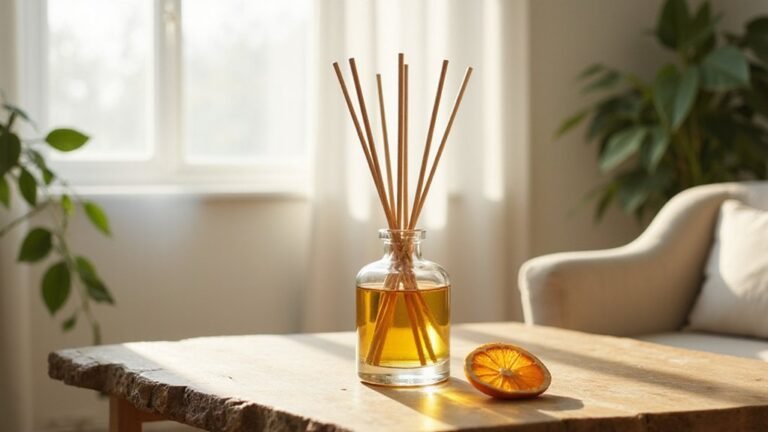
Reed diffusers last the longest, often spanning from weeks to months. A large model can easily keep releasing fragrance for up to six months, thanks to their simple wick mechanism that steadily draws oil from the reservoir. Their durability originates from the reed sticks, which diffuse scent slowly and consistently over time. This makes them ideal if you want a passive, ongoing aroma without frequent refills. Keep in mind, their longevity depends on the size of the bottle and the type of oil used. To maximize lifespan, position them away from direct sunlight or heat sources, which can accelerate evaporation. Using a dehumidifier can also help keep centipedes out by reducing the moisture they need to thrive. For those seeking a powered option, a humidifier can also be filled with water and Vicks VapoSteam for medicated relief.

Warm Vanilla Bliss: Immerse your space in the soothing and inviting aroma of rich vanilla. Our air diffuser sticks effortlessly fills your home with a warm, relaxation scent and creates a cozy, welcoming atmosphere with our reed diffusers for home.
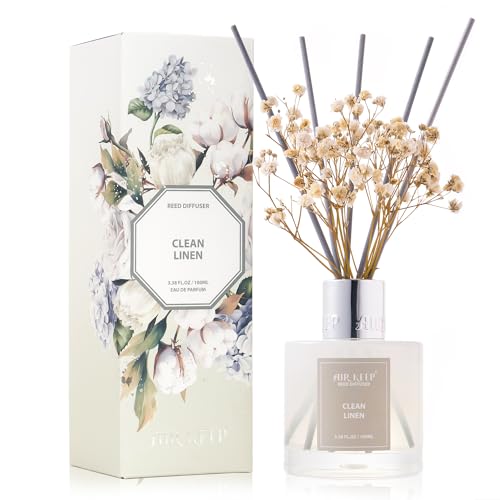
Scent:Clean Linen.The fragrance brings a fresh breeze with the clean laundry and solar scent

【Immerse in a 5-Star Aroma】: Luxury Hotel Scent for Home Experience the signature, sophisticated fragrance reminiscent of an upscale hotel lobby. Our No.1898 blend is a masterful composition of warm white tea, delicate bergamot, and soft musk, transforming your living room, bedroom, or office into a serene oasis. This long-lasting reed diffuser is the ultimate choice for those seeking a premium hotel luxury scent experience at home, making everyday feel like a getaway.
The 3 Essential Parts Inside Every Diffuser
The three essential parts inside every diffuser are the water reservoir, ultrasonic plate, and fan. The water reservoir holds your water and oil mixture and typically ranges in capacity from 100 mL to 500 mL. This size variation allows you to choose a diffuser that fits your space and usage needs, whether for a small room or a larger area. The ultrasonic plate vibrates at high frequency to break the liquid into tiny mist particles without using heat. This method preserves the integrity of essential oils and ensures a fine, even mist. Lastly, the fan pushes the mist upward through the outlet or nozzle, dispersing it into your room efficiently. When positioning your diffuser, ensure it is placed on a flat, stable surface to prevent spills and allow proper airflow, similar to how a portable air conditioner requires correct placement for optimal performance. For enhanced scent distribution, you can also rotate the reeds occasionally to refresh the fragrance output. Along with these core components, most diffusers include power and control parts—often with timer functions or lighting options featuring multiple color choices—allowing you to customize your experience. To maintain hygiene and performance, it’s important to empty and wipe the water reservoir after each use. Including a teaspoon of white vinegar in the water during a 30-minute cleaning cycle can remove hard water and residue build-up from the reservoir and ultrasonic plate. Proper maintenance of the ultrasonic plate is crucial for preserving the fine mist quality over time.
Why Droplet Size Determines How Long Your Room Stays Scented
Droplet size of 1 to 5 microns is ideal for lasting scent distribution. These fine droplets stay suspended in the air for hours, allowing the fragrance to gradually release even after the diffuser stops misting. Larger droplets, above 10 microns, fall to the floor within minutes, wasting your oil on surfaces and reducing the longevity of the scent airborne. Position your diffuser on a high shelf to maximize circulation of these small droplets before they settle. For ferns that thrive in high humidity, choosing a fine mist diffuser can also support their health by keeping air moisture consistent without wetting leaves. The volatility of your essential oil also influences how long the scent lasts; citrus fragrances evaporate quickly, in minutes, while sandalwood can linger for hours. Choosing a diffuser that produces 1 to 5 micron droplets ensures a more consistent and enduring aroma in your space. When comparing scent delivery to air conditioning, the running cost of a diffuser is typically much lower than that of a window unit. For the best performance, always select a high-quality diffuser that consistently generates this optimal droplet range.
3 Key Factors to Match a Diffuser to Your Room Size
Room size matching begins with square footage, as it’s the main factor in choosing a diffuser capacity. For small rooms under 150 square feet, a diffuser with a capacity of 100 to 300 milliliters is sufficient. Medium-sized spaces between 150 and 299 square feet typically require a 300 to 500 milliliter unit. Large rooms up to 499 square feet often need a 500 milliliter diffuser, but keep in mind that actual coverage may be less than manufacturer claims. The Jack & Rose model, for instance, provides up to 20 hours of continuous fragrance release from its 500ml tank.
Ceiling height also plays a critical role because higher ceilings increase the volume of air, dispersing scent faster and lowering scent concentration at breathing height. For vaulted or very tall-ceiling rooms, opt for a larger diffuser to maintain effectiveness.
Airflow impacts how well a diffuser performs. Open doors, HVAC systems, and open-concept layouts can dilute fragrance quickly and often require increasing diffuser capacity by about 25 percent to compensate. Even in smaller rooms with strong ventilation, a larger diffuser might be necessary for consistent scent. Ignoring these factors can lead to underperformance, regardless of the diffuser’s listed coverage area.