Air Purifier vs. Ionizer: What’s the Difference?
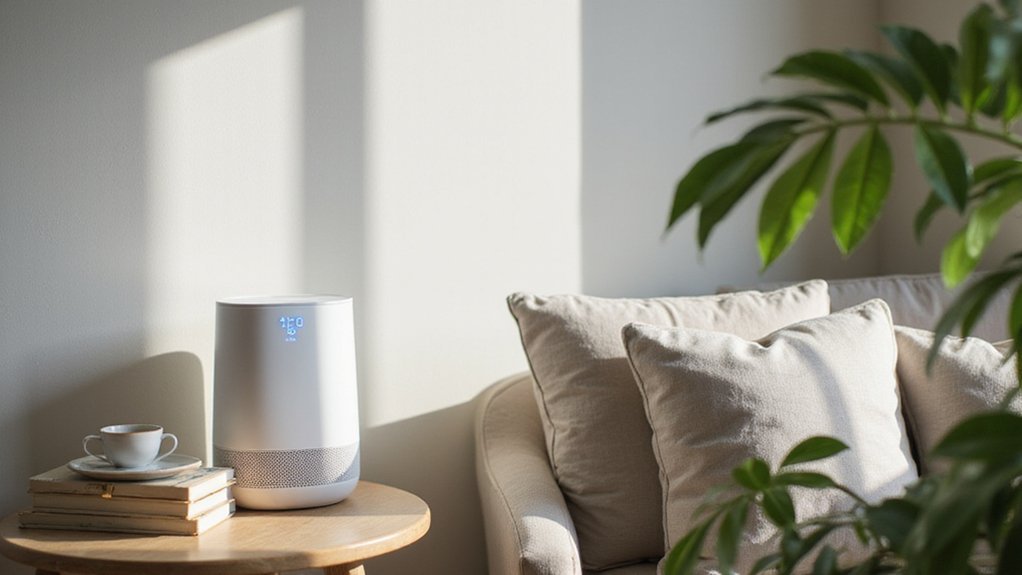
If you’re wondering whether an air purifier or an ionizer is better for cleaner indoor air, you’re not alone. The main difference is that air purifiers trap pollutants inside filters for permanent removal.
In contrast, ionizers charge particles so they settle on surfaces, requiring regular cleaning. Understanding how each works can help you choose the right solution for your space.
Keep reading to learn the full details.
Air Purifier vs. Ionizer: How Each Actually Works
An air purifier physically traps pollutants using filters, unlike an ionizer that removes particles through electrical charges. It employs a motor and fan to draw contaminated air through multiple filter stages. First, a prefilter captures large debris like dust and hair, which prevents clogging of finer filters. Next, a HEPA (High Efficiency Particulate Air) filter traps tiny particles such as allergens, pollen, and aerosols by using a dense fibrous material. Many models also include an activated carbon filter to adsorb odors and gases, improving overall air freshness. This multi-layered process ensures that the air released back into your space is significantly cleaner, as pollutants are mechanically captured rather than merely altered in charge. For those seeking a similar cooling solution, best window air conditioners also use filters to trap particles while cooling the room. Because the HEPA filter relies on physical interception of particles rather than electrical attraction, it is highly effective at removing a wide range of airborne contaminants. Unlike a programmable thermostat, which can be set to a schedule for energy savings, an air purifier runs continuously to maintain air quality.
Are Ionizers the Same as Air Purifiers?
Ionizers and air purifiers are not the same thing, though they are often confused. Ionizers work by charging particles in the air, causing them to settle on surfaces like walls, floors, and furniture. Because of this, you need to adjust your cleaning routines to wipe down these surfaces regularly and remove the displaced contaminants. Air purifiers, on the other hand, physically trap particles in filters, which means you mainly need to follow a routine filter replacement schedule. Since purifiers remove pollutants directly from the air, you don’t need to clean surfaces as often. Ionizers move particles around without capturing them, while air purifiers actively remove contaminants from the air itself. This difference influences your maintenance: ionizers require more frequent surface cleaning, whereas purifiers focus on replacing filters. Understanding this distinction helps you manage your indoor environment more effectively. For a comparison of other home appliances, a bedroom dehumidifier also uses filters to trap particles and moisture, requiring filter replacement similar to an air purifier. In contrast, an air circulator moves air throughout a room without trapping particles, similar to how an ionizer displaces contaminants rather than removing them. For pet owners specifically, choosing an air purifier for pets can help capture dander and fur directly instead of letting them settle on surfaces.
The Big Difference: Trapping Particles vs. Dropping Them
The core difference is that an air purifier physically removes particles from the air, while an ionizer makes particles settle onto surfaces. A mechanical air purifier uses filters like HEPA or activated carbon to trap pollutants, which you can then replace to remove the particles permanently. Air purifiers reliably remove a broad range of pollutants, including dust and bacteria. In contrast, an ionizer charges particles so they become heavier and drop out of the air, settling onto walls, floors, and furniture instead. For comprehensive dust mite control, a dehumidifier is often used alongside an air purifier because mites cannot survive in low humidity conditions. When choosing between models, consider that a window unit provides a higher running cost but can cool a larger space more efficiently than a portable one. Additionally, researchers often compare running cost and performance when evaluating the long-term value of different home appliances.
However, the settled particles aren’t eliminated—they’re just moved. Any disturbance, such as walking, cleaning, or air currents, can resuspend these particles back into the air you breathe. This means that while an ionizer might temporarily improve air appearance, it doesn’t reduce the total amount of pollutants. Instead, it redistributes them throughout your living space, whereas an air purifier contains and removes pollutants more effectively.

[Coverage] Designed to clean spaces up to 1,748 sq. ft. in 60 minutes

Work Great As Name Brand Filter -- Multiple tests in our factory have proven that Colorfullife core 300 replacement filters are fully compatible with LEVOIT Core 300, Core 300-P and Core 300S Air Purifier. Compatible withLEVOIT Core 300-P Air Purifier Replacement Filter, Compared to Part # Core 300-RF.
What Air Purifiers Remove That Ionizers Miss
Air purifiers remove a wider range of pollutants than ionizers because they physically trap substances that ionizers overlook. Activated carbon filters in purifiers effectively eliminate gases and odors such as formaldehyde and the gaseous byproducts of smoke, which ionizers can’t detect or remove. HEPA filters catch dust, pollen, and pet dander, pulling these allergens out of circulation instead of allowing them to settle on surfaces. For individuals suffering from a cough, a humidifier can soothe irritated airways by adding moisture that complements the purifier’s filtration. Using air quality sensors can verify that these contaminants are contained within the filters, preventing their redistribution into the room. Additionally, the performance of an air purifier relies heavily on regular filter replacement; fresh filters consistently remove smoke, soot, and ultrafine particles. For example, a dehumidifier for centipedes also relies on reducing moisture to control pests, while ionizers lack this physical filtering mechanism, often leaving airborne pollutants behind and reducing the overall cleanliness of your air. However, unlike ionizers, air purifiers also pose no risk of ozone emission that can irritate the lungs, a known hazard from some ionizers. For effective allergy and asthma relief, you need a device that physically captures what ionizers leave behind.

MOOKA B-D02L AIR PURIFIER FOR LARGE ROOM: With the high-efficiency filtration system, the air purifier covers an area up to 1076 ft². 6 air changes per hour in 215 ft², 1 air changes per hour in 1076 ft². Modern design fits in any space from small to large rooms, bedrooms, living rooms, offices, nurseries, kitchens and basements. Perfect for pet owners, babies, children, the elderly, or anyone wanting to improve the air quality

Why Choose the AirHub Air Purifier? AHAM VERIFIED Performance: Certified by the Association of Home Appliance Manufacturers (AHAM), this air purifier has been independently tested to rigorous industry standards for dust, smoke, and pollen removal. With verified CADR ratings, it delivers 4.8 ACH in a 209 ft² room, covers up to 1,092 ft² with 1 ACH. Designed to help improve indoor air quality, it is a trusted, reliable, and professional air purifier for home.

Cleaner Air In Minutes: Purivortex is proven to filter common pollutants from your home’s air. This air purifier purifies rooms up to 880 ft² in one hour. It can purify a 215 ft² room in about 15 minutes, giving you noticeably fresher air in a short time. Breathe clean, crisp air and feel the difference in your space. (*Tested in an ISO 17025 certified laboratory under typical residential room ventilation conditions.)
What Ionizers Get Right: And Where They Fail
Ionizers are effective at reducing ultrafine particles and smoke-related haze by charging these particles so they clump together and settle onto surfaces. However, they do not address gases, odors, or larger allergens like pollen, so you’ll need to clean those particles off your floors and walls separately. The process of neutralization makes these larger particles easier to remove from the air.
They also excel at deactivating airborne microorganisms such as bacteria and viruses through electrostatic attraction. Their filterless design means they operate quietly and use less energy compared to traditional purifiers. But keep in mind, they do not remove volatile organic compounds (VOCs) or cooking fumes, which means those airborne gases remain unaffected.
The main trade-off is that particles captured by ionizers land on surfaces instead of disappearing. Without regular cleaning—dusting and vacuuming—these settled particles can resuspend into the air, reducing the health benefits. While ionizers are excellent for small, chargeable particles, their effectiveness in real-world environments depends largely on how diligent you are about surface cleaning. Unlike bladeless fans that use airflow amplification to create a smooth, consistent stream of air, ionizers rely on an electrostatic charge to move particles, which means they offer no direct air circulation benefits.
Are Ionizers Safe? What You Should Know About Ozone
Ionizers can be safe if they meet certain standards. Modern, CARB-certified models often limit ozone emissions to below 0.05 parts per million, which is generally considered safe for indoor air quality. Always verify that the device has proper certification rather than trusting vague claims of being “ozone-free.” Use certified ionizers in well-ventilated spaces and avoid running them continuously near children, pregnant women, or individuals with respiratory conditions. Intentional ozone generators, which produce higher ozone levels, are unsafe for occupied areas and should be avoided altogether. For those seeking alternatives, Top Fan Tower Reviews provide comparisons on quality and performance for effective cooling solutions.
For Allergies: Why an Air Purifier Beats an Ionizer
An air purifier with a HEPA filter is far more effective for allergy relief than an ionizer because it physically captures allergens like dust, pollen, and pet dander, removing them from the air you breathe. HEPA filters trap these particles in a dense fibrous material, preventing them from settling on surfaces or being re-released into the air later. This direct removal has an immediate impact on your air quality, especially in your breathing zone. These devices also feature washable filters that can be cleaned and reused, maintaining performance without frequent replacements. For healthy plant growth, maintaining proper humidity levels is also crucial, and the best humidifiers for monstera plants help maintain consistent moisture in the air. Ionizers, on the other hand, only charge particles so they stick to surfaces or float around momentarily, but they can get stirred back up and reintroduce allergens into your space. Multiple studies show that HEPA-based air purifiers significantly reduce allergy symptoms, while ionizers tend to offer little measurable benefit. For reliable allergy control, choosing a device that actively pulls allergens out of circulation ensures cleaner, safer indoor air. For comprehensive mold prevention, a dehumidifier reduces excess moisture and works alongside an air purifier to create a healthier indoor environment.
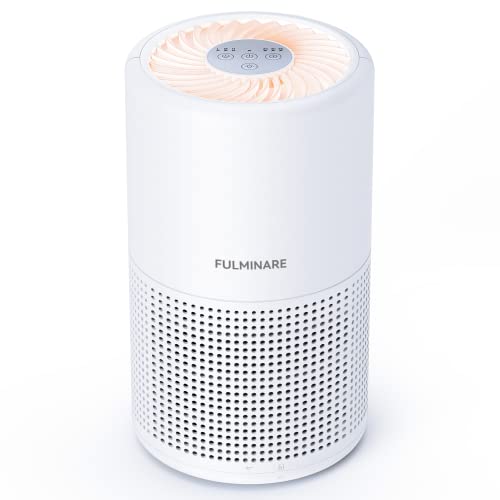
Efficient Particle Filtration: FULMINARE air purifier uses an H13 HEPA filter. Simply turn it on and maintain a clean and peaceful environment and give families health.

𝐋𝐀𝐑𝐆𝐄-𝐑𝐎𝐎𝐌 𝐏𝐄𝐑𝐅𝐎𝐑𝐌𝐀𝐍𝐂𝐄: AHAM VERIFIED with the following CADR ratings; Smoke: 231 CFM; Dust: 240 CFM; Pollen: 259 CFM; designed to refresh air in rooms up to 1,733 ft² once per hour.

[360° Airflow for a Fresher Home]: Designed for spaces up to 1,800 sq. ft., this air purifier uses a 360° air intake to draw in air from every direction, while the top outlet helps keep airflow moving smoothly throughout the room. Made for everyday living, ECOSELF air purifiers for home help create a fresher, more comfortable space.
Cost, Noise, and Maintenance Compared
Ionizers are generally quieter because they do not have fans pushing air through dense filters. Air purifiers, especially at higher fan speeds, can be noticeably louder, which might be disruptive in bedrooms or offices that require continuous operation. From a user convenience perspective, ionizers have an advantage—they produce less noise and require less maintenance since they lack filters to replace. However, similar to a tower fan, preventing mold buildup in an ionizer requires periodic cleaning of its collection plates and surrounding areas.
However, this quiet operation comes with a trade-off. Ionizers typically have a lower particle removal efficiency, and they may increase cleaning requirements due to static buildup. Plus, the initial purchase price, energy consumption, and long-term maintenance costs will vary based on the specific model and usage habits.
Ultimately, your true cost encompasses not just the purchase price but also ongoing expenses like energy and maintenance over the device’s lifespan. For those seeking relief from a hoarse voice, a humidifier may offer a different benefit by adding moisture to dry air, though best humidifier options vary based on personal needs. For Calathea owners, finding the right humidity levels is crucial to prevent leaf curling and browning. Choosing between the two depends on your priorities—whether you value quieter, low-maintenance operation or stronger purification performance.

【Ultra-Compact & Portable – Air Purifier】Plug in air purifier is smaller than a smartphone, discreetly into any outlet without blocking adjacent sockets.Its compact design lets you enjoy pure air from bedroom to bathroom, office to hotel room—no tools, no setup, just plug-and-enjoy on the go.

🌬️ 𝐈𝐎𝐍 𝐏𝐔𝐑𝐄 𝐀𝐢𝐫 𝐆𝐞𝐧𝐢𝐞 𝐀𝐝𝐯𝐚𝐧𝐜𝐞𝐝 𝐈𝐨𝐧𝐢𝐳𝐚𝐭𝐢𝐨𝐧 𝐀𝐢𝐫 𝐏𝐮𝐫𝐢𝐟𝐢𝐞𝐫: Enjoy cleaner air with our Ion Pure air purifiers for home! This filterless Air Genie air ionizer negative ion generator helps support fresher indoor spaces by helping reduce common airborne particles and odors. The Ion Pure plug in air purifier works as a convenient outlet air purifier and wall air purifier that fits directly into any standard outlet. Perfect for bedrooms, kitchens, bathrooms, closets, and living areas

Vermix Pulse Pro comes with 3 customizable working modes to meet varied indoor needs. It works well in bedrooms, kitchens, garages, basements and offices, helping build a comfortable indoor environment.
How to Choose: The 3 Questions to Ask Yourself
Before choosing a purifier, ask yourself three key questions to ensure it matches your actual needs. First, identify your specific pollutant—if you’re dealing with allergens or smoke, a HEPA purifier is best because it traps particles permanently. For temporary reduction, a light-duty ionizer can be effective but less thorough. Second, consider whether permanent removal matters. If you want pollutants eliminated from your air permanently, opt for a mechanical purifier with filters. Ionizers only settle particles onto surfaces, which can lead to redistribution rather than removal. Third, think about health risks. Ionizers can produce ozone, which may be harmful, especially for people with respiratory conditions. In that case, a HEPA filter combined with activated carbon offers a safer, ozone-free option. Additionally, air purifiers with multi-stage filtration use pre-filters, HEPA, and carbon filters to remove up to 99% of harmful contaminants. Focusing on these questions helps leverage technology to match your environment’s needs without overcomplicating the decision.

𝐖𝐇𝐘 𝐂𝐇𝐎𝐎𝐒𝐄 𝐀𝐇𝐀𝐌 𝐕𝐄𝐑𝐈𝐅𝐈𝐃𝐄 𝐀𝐈𝐑 𝐏𝐔𝐑𝐈𝐅𝐈𝐄𝐑𝐒: AHAM (Association of Home Appliance Manufacturers) is an ANSI-accredited organization that sets strict standards for appliance performance. Air purifiers with the AHAM VERIFIDE seal have been independently tested for air cleaning performance and energy efficiency. When you choose an AHAM certified air purifier, you're choosing a product trusted for reliable and effective indoor air quality improvement

WHY CHOOSE AHAM VERIFIDE AIR PURIFIERS: AHAM (Association of Home Appliance Manufacturers) is an ANSI-accredited organization that sets strict standards for appliance performance. Air purifiers with the AHAM VERIFIDE seal have been independently tested for air cleaning performance and energy efficiency. When you choose an AHAM certified air purifier, you're choosing a product trusted for reliable and effective indoor air quality improvement

Effortless Operation: Simplified control panel with intuitive design makes it easy to operate. No complicated setup—just one tap, and you're on your way to cleaner air, saving time and letting you relax with ease