Oil Heater vs Space Heater: Which Is Better?
If you’re trying to decide between an oil heater and a space heater, your main concern might be which one heats more efficiently or safely.
A space heater warms a room quickly but loses heat fast once turned off.
While an oil heater takes longer to warm up but retains heat for a longer period, making it a quieter and safer option overnight.
Keep reading to see which one could save you more in the long run.
Oil vs. Space Heater: Which Heats a Room Faster?
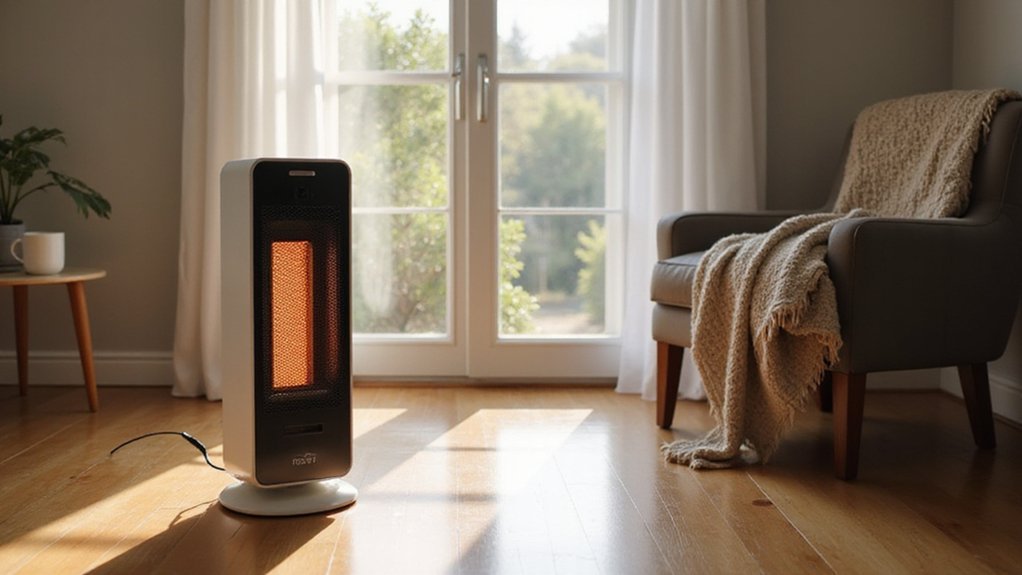
A ceramic or fan-forced space heater heats a room almost instantly, often within five minutes. It achieves this by using forced convection to blow hot air directly into the space, creating a quick and localized warm zone. This makes it ideal for quickly warming up places like bathrooms or for immediate comfort in the morning. For those who prioritize immediate warmth over long-term efficiency, this type of heater functions similarly to how a window air conditioner delivers rapid cooling to a specific area. Many models also include a window kit for easy venting, ensuring safe and efficient operation.
In contrast, an oil heater takes significantly longer to reach its full temperature, typically between 15 and 30 minutes. The delay occurs because the internal oil must heat up first before radiating warmth into the room. Targeted heating is a key advantage of the space heater, which excels at warming small zones efficiently rather than the whole room. While the oil heater warms more gradually, it tends to maintain heat longer after it’s turned off, similar to how DIY air purifiers can provide sustained filtration without constant power draw.
For portability, the lightweight, fast-heating heater is easier to move from cold spot to cold spot. However, speed doesn’t equate to efficiency. The quick-heating unit consumes power immediately, whereas the oil model uses less energy overall, gradually delivering warmth over time. Oil heaters also cycle on and off based on stored heat, making them more cost-effective for prolonged winter use.

ENERGY EFFICIENT HEAT: Providing 360 all-around warmth, this portable heater is ideal for small to mid-sized rooms. The Low setting does not require as much electricity to operate, so it is more energy efficient and a better option for saving energy.

2 in 1 heater fan: This ceramic heater offers dual heating modes (1500W/750W) plus a cool air fan, making it ideal for both winter and summer. With automatic thermostat control, it cycles on and off to maintain your preset temperature without any manual adjustment. A practical and thoughtful gift for working from home, or for family, friends, and colleagues during the cold season.
Which Stays Warm Longer After You Turn It Off?
Oil heaters keep warmth for 20 to 30 minutes or more after you turn them off, thanks to their thermal inertia. The oil inside acts like a heat reservoir, storing thermal energy and releasing it gradually as the heater cools down. This slow release maintains a steady temperature even after power is cut, making the room feel warm longer. The exact duration depends on factors like room insulation and heater size but generally provides extended comfort without rapid cool-down. In contrast, fan or ceramic heaters lose their heat almost instantly once switched off, as their heating elements and airflow cease immediately. This quick temperature drop makes oil heaters preferable for overnight use or prolonged periods where sustained warmth is desired. However, regardless of the heater type, all plug-in space heaters rated at 1500 watts are 100% efficient at converting all electrical energy into heat. For optimal comfort, selecting a bedroom dehumidifier alongside your heater can help maintain balanced humidity levels during extended use. This is similar to how portable air conditioners use a refrigeration cycle to transfer heat from inside a room to outside, rather than generating heat directly. Pairing your oil heater with a programmable thermostat can further optimize energy use by automating warm-up cycles before you arrive home.
Oil vs. Space Heater: What’s the True Cost per Hour?
While both oil and space heaters can have the same wattage, the actual cost per hour depends largely on how you operate them. A 1,500W oil heater and a 1,500W fan heater both draw about 1.5 kWh per hour when running at full power, so electricity rates are the main factor affecting cost—not the heater’s label. However, their energy efficiency in real-world use varies. Oil heaters take longer to heat up but cycle on less frequently because their thermal mass retains heat, often drawing power for only parts of each hour. This reduces their overall energy consumption over time. Conversely, fan space heaters tend to run continuously to maintain the set temperature, meaning they use more energy overall. Additionally, oil heaters usually incur lower maintenance costs because they have fewer moving parts and no filters to replace, which can make them more economical over the long run. For comparison, a top-rated home humidifier can similarly affect indoor air quality with varying operational costs.

360° Whole-Home Warmth: DREO radiator heater delivers swift and silent heating at 1500W, boosting efficiency by 92.3%. Its 7 advanced fins outpace competitors by 39.49% in heat dispersion. Stay cozy with rapid, quiet, and even warmth.
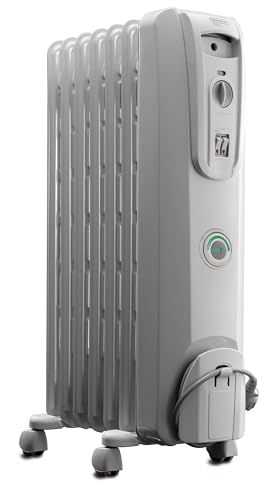
Simple Controls allow you to easily adjust power level and temperature.

POWERFUL & ADJUSTABLE HEATING: Offers an adjustable thermostat and three heat settings - High (1500W), Medium (900W), and Low (600W) - allowing you to customize the warmth to your comfort level.
Is an Oil Heater Safe to Leave On in a Bedroom Overnight?
Modern oil heaters are generally safe to leave on in a bedroom overnight when they are in good condition and used according to the manufacturer’s instructions. Unlike fuel-burning heaters, they do not produce carbon monoxide, reducing the risk of poisoning. Safety depends largely on temperature regulation and built-in safety features. Many models have thermostats that automatically turn off the heater once it reaches the desired temperature, preventing overheating. For overnight use, ensure your heater has features like automatic shut-off and tip-over protection. Choosing a model that is certified by a safety testing organization can further ensure reliable performance. Always keep the unit away from covering with clothes or blankets, and maintain at least a three-foot distance from curtains and bedding. Plug the heater directly into a wall socket—avoid extension cords—and inspect the power cord and plug regularly for damage. Adding a humidifier to your room can further ease nighttime coughing by maintaining optimal moisture levels in the air. Following these precautions can help you enjoy a safe and comfortable night’s sleep. For those considering an alternative for ambient fragrance, reed diffusers offer a flame-free and electricity-free option that requires no monitoring while you sleep.

Steady Radiant Heat: This oil‑filled radiator heater runs at 1500W, circulating warmth through oil‑fin diffusion to cover rooms up to about 161 sq ft. Equipped with a built‑in water tank for humidification, it releases mild moisture while heating and delivers gentle, lasting heat, effectively preventing the indoor air from getting dry

✅ Aromatherapy and Salt Therapy - Our 2-in-1 Himalayan salt lamp and essential oil diffuser combines the therapeutic properties of a pure Himalayan salt lamp with the soothing aromatherapy of an essential oil diffuser. You can use both simultaneously or separately, it makes your place more pleasing and cozy through its gentle glow and aesthetic fragrance.
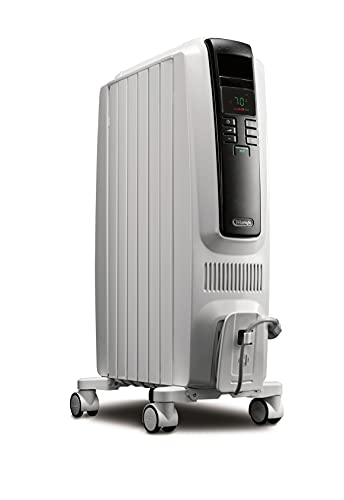
Digital control panel with LED display for easy selection includes all the available functions and 24 hour timer.
Which Heater Warms a Large Room More Evenly and Quietly?
An oil-filled heater warms a large room more evenly and quietly than a fan-forced heater. It releases heat slowly through metal fins, creating a convection pattern that distributes warmth uniformly. You won’t experience hot spots or uneven temperature zones near the unit. Since it has no fan, it operates silently, with no moving parts to generate noise, making it ideal for quiet environments or overnight use. Additionally, maintaining low humidity levels with a dehumidifier can further reduce dust mite allergens in the room. For those concerned about airborne particles, using a HEPA air purifier can also capture dust and allergens, improving overall air quality alongside the heater. In contrast, a fan-forced heater heats quickly by blowing air across a heating element. While it can raise the temperature faster, its heat distribution is less uniform, often resulting in warmer spots near the unit and cooler areas farther away. The airflow also produces a noticeable hum or noise, which can be disruptive in a large, quiet space. Although an oil-filled heater takes a few minutes to fully warm up, it retains heat well and cycles off to maintain a steady temperature. For long periods of quiet, consistent warmth in a large room, the oil-filled option is generally the best choice. Many homeowners also pair an oil heater with a flush mount ceiling fan to gently circulate warm air without adding noise.