What Is a Smart Thermostat and How Does It Work?
If you’ve ever wondered how a smart thermostat can make your home more comfortable and energy-efficient, you’re not alone. These Wi-Fi devices learn your schedule and adjust temperatures automatically, helping you save energy and money.
They use sensors and weather data to keep things just right, even when you’re not home. Keep reading to learn how they actually work.
What a Smart Thermostat Is and What Makes It Smart
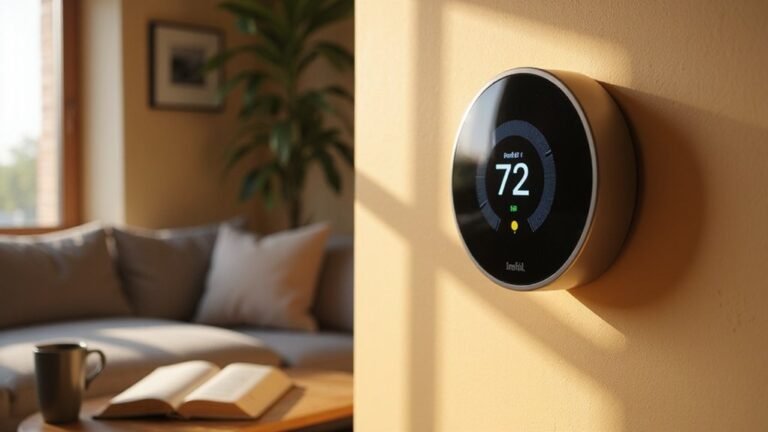
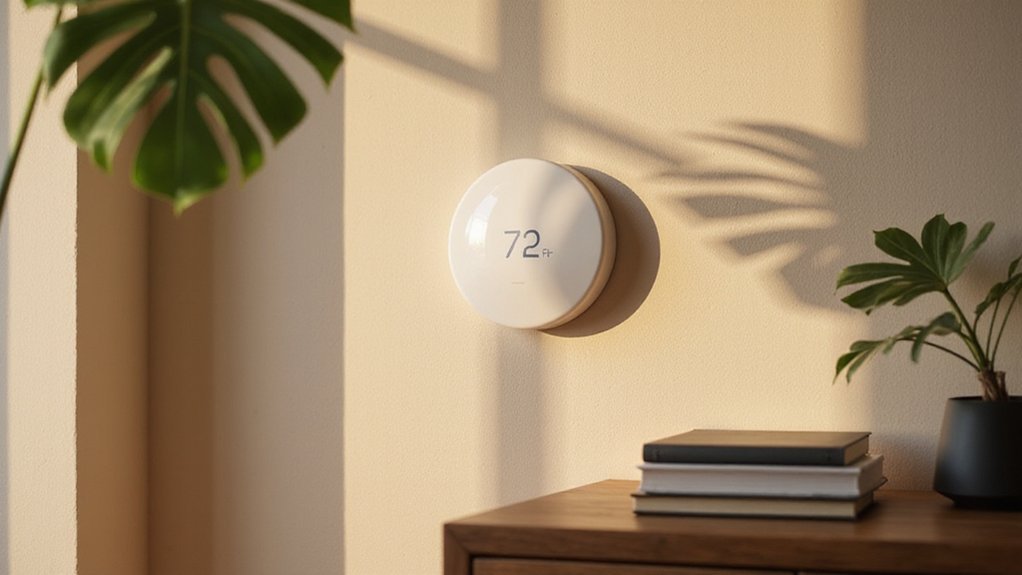
A smart thermostat is a Wi-Fi-enabled device that manages your home’s heating and cooling systems, but it offers much more than just programmable schedules. Once connected to your internet network, you can control it remotely from your smartphone, tablet, or smart hub. The key features that make it “smart” are automation and sensors. These sensors measure indoor temperature, detect occupancy, and use local weather data to automatically adjust your home’s climate settings. For example, many models include geofencing technology that uses your phone’s location to adjust temperatures when you leave or return home. You operate the thermostat through a clean user interface, accessible either directly on the device or via a companion app. This interface allows you to set schedules, change temperature set points, and receive alerts. The installation process is generally straightforward for most homes, requiring a compatible HVAC system and a reliable Wi-Fi connection. Once installed, a smart thermostat provides convenience, enhances energy efficiency, and delivers notifications like filter reminders—all without daily manual adjustments. Many homeowners also consider complementary room aesthetics when choosing their smart thermostat, as the device’s finish and display should blend with the surrounding decor. For homes with humidifiers, some smart thermostats can also coordinate with filter-free operation to maintain ideal humidity levels without requiring replacement cartridges.

COMMON WIRE REQUIREMENTS: Designed to work without a C-wire in most homes, but for some systems, including heating only, cooling only, and heat pump systems, you’ll need a C-wire or other compatible power accessory

PRIVACY PROTECTION*: Sensi won’t sell your personal information to third parties

Save up to 23% every year on heating and cooling costs, adjusts to your set schedule to save energy when you’re gone and optimize comfort when you’re home. Compared to a hold of 72
How a Smart Thermostat Learns to Save Energy
Once installed, a smart thermostat enters a learning phase that lasts around one to two weeks. During this time, it observes how you manually adjust the temperature and notes your routines—when you’re home, away, asleep, or active. It uses machine learning to analyze your behavior and compare it with its initial assumptions. Every time you change a setting, it refines its schedule accordingly. It also checks real-time weather forecasts to proactively adjust the indoor climate based on external conditions like humidity. For efficient cooling, it can also integrate with top window air conditioners to maintain consistent comfort. Similar to selecting the right space heater for your home, this device ensures efficient energy use tailored to your specific living space. For extremely large areas, this smart thermostat can help manage the performance of a powerful heating unit to avoid energy waste.
Sensors and Data That Help a Smart Thermostat Adjust Temperatures
A smart thermostat relies on a network of sensors to make real-time temperature adjustments. Temperature sensors measure heat levels, preventing energy waste by maintaining consistent comfort. Presence sensors detect when you leave and turn off cooling immediately, saving energy without sacrificing comfort. Humidity sensors monitor moisture levels inside your home, helping the system adjust the air conditioner for better humidity control. To ensure accurate readings, sensor calibration is essential, maintaining precision over time. Room-specific sensors prevent overheating or overcooling of empty spaces, focusing climate control where it’s needed most. Similar to aromatherapy diffusers, these sensors rely on precise technology to disperse comfort efficiently throughout a space. You can trust that your thermostat protects your privacy by analyzing your usage patterns locally, without broadcasting personal data. It continuously samples data from its sensors, fine-tuning your home’s temperature efficiently and quietly, without unnecessary cycles. A bedroom dehumidifier similarly relies on Humidity sensors to maintain optimal moisture levels and prevent mold growth. To avoid fire hazards, never place a space heater near curtains or bedding, as overheating sensors can fail if the unit is blocked.

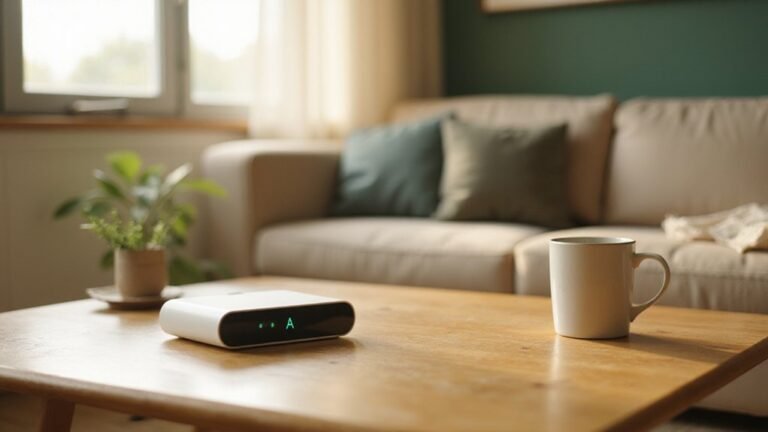
Easy to Use: Download the Govee Home app, search for and select H5075, and pair the room thermometer hygrometer successfully in one minute. With a 196ft/60m Bluetooth range, you'll be notified of any temperature humidity changes immediately.

Customizable Display: A sleek 4.3” display delivers enhanced visibility with the option to choose the color and style to match your home

Smart Features: The Govee Wireless Thermometer Hygrometer supports all basic functions as well as smart functions such as remote monitoring and temp humidity graphs. Our humidity meters are reliable and easy to use for homes, greenhouses and more.(Only supports 164ft Bluetooth connection)
How a Smart Thermostat Connects to Your HVAC System
The Power supply typically relies on the C-wire, which provides a continuous flow of power to support Wi-Fi connectivity and always-on features. If your system doesn’t have a C-wire, you might need a power extender kit to supply the necessary electricity. Before starting work, turn off the power at the breaker to ensure safety. Label each existing wire by its terminal letter to keep track of where everything goes. For additional comfort, using a humidifier in conjunction with your thermostat can help ease dry air irritation and support cough relief during heating season. Some homeowners also pair their thermostat with a top-rated space heater for supplemental warmth in drafty rooms. When installing the new base, mount the backplate securely, connect the labeled wires properly, and you’re ready to control your heating, cooling, or fan system directly through your thermostat. Taking a clear photo of the current wiring setup before removal provides a reliable reference for reconnection. Meanwhile, a dehumidifier can also be integrated into your home’s environment to lower humidity, which helps deter centipede infestations by removing the moisture they thrive on.

The Power Extender (PEK) is an easy, cost-effective solution for homes without a C or common wire.

【Universal Compatibility】The C-wire adapter power extension kit compatible with ecobee Premium, Enhanced, Essential, Lite, for ecobee4 and Smart Thermostats with voice control.

If your home doesn’t have a pre-installed C-wire, Solopen C Wire Adapter delivers the full power functionality of a common wire, with zero need to run new wiring through your walls. It reuses your thermostat’s existing R, W, Y, and G wires, eliminating the hassle of wall demolition, complex rewiring, and costly electrician visits — making it the most cost-effective solution to your C-wire power needs.
Why Remote Access and App Control Make a Smart Thermostat Better
Remote access and app control make a smart thermostat significantly more convenient and efficient. Instead of standing in front of a wall unit to change the temperature, you can manage your home’s climate from your phone or tablet. Whether you’re at work, on vacation, or running errands, you can easily adjust settings, turn the heat on before arriving home, or reduce energy use if plans change unexpectedly. This capability transforms the thermostat into an intelligent control center for your home. Maintaining optimal indoor humidity also helps improve overall comfort and efficiency, similar to how an essential oil cool mist humidifier enhances air quality. Understanding the actual operating cost of heating can help you decide when to rely on a space heater versus the central system.
A mobile app allows you to tweak schedules, control multiple zones within your home, and respond instantly to weather changes. Ensuring your app uses encryption for secure remote access is crucial for digital security. For consistent fragrance release, you should periodically flip the reeds to refresh the scent throw. Installation may pose challenges, such as needing a C-wire to power the thermostat properly, so addressing these upfront helps avoid future issues. Once installed, you’ll receive alerts for temperature spikes or system malfunctions, giving you peace of mind. Features like geofencing can automatically adjust your home’s climate based on your location, providing seamless comfort and energy savings.