Essential Oil Diffuser: How Many Drops?
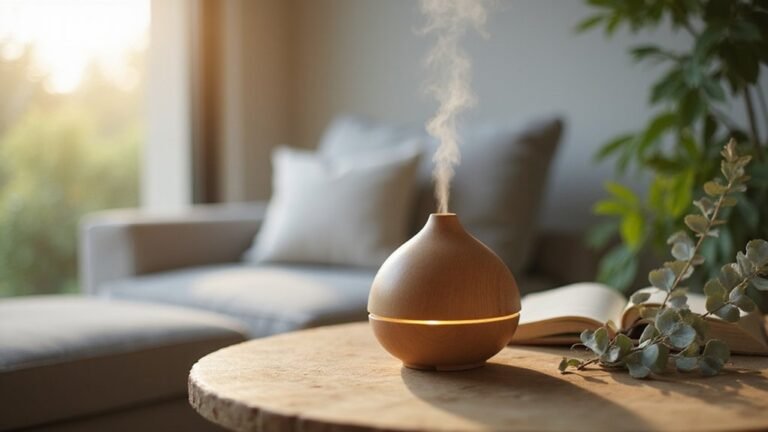
Wondering how many drops of essential oil to use in your diffuser? The right amount depends on your diffuser size and your scent preference, but a good starting point is 3 to 5 drops per 100 mL of water.
Larger diffusers just need a proportional increase.
Keep reading for simple guidelines to help you get it just right.
How Many Drops for a 100 mL, 200 mL, or 300 mL Diffuser?
For a 100 mL diffuser, start with 3–5 drops. This range is the most common recommendation, with 3 drops providing a lighter scent and 5 drops offering a fuller aroma. When increasing to 200 mL, double the amount to 6–10 drops, maintaining the same proportion. For 300 mL, use 9–15 drops, with 9–12 drops serving as a moderate starting point. Proper dosing ensures you enjoy the aromatherapy benefits without overwhelming the space. Always test the intensity after 15 minutes and adjust accordingly. Keep in mind that overloading the diffuser can clog the ultrasonic plate, decreasing its lifespan and requiring more frequent cleaning. To maximize your diffuser’s performance, remember that essential oils last longer when you use the correct amount of water and drops. Applying the right dosage also helps balance performance similar to how choosing between fan colors affects room comfort and efficiency. Adopting routine cleaning of the ultrasonic plate can prevent clogs, much like replacing a Vicks humidifier filter maintains consistent mist output.

Top selling essential oils set: We create our essential oils using rigorously tested ingredients. Top blends, make pampering a luxurious experience with our set of 6 10ml oils. Perfect for blending to make candle making scents, making DIY soap scents or a unique aromatherapy experience. Join 170,000+ customers who love our essential oils for diy crafts, aromatherapy and candle making!
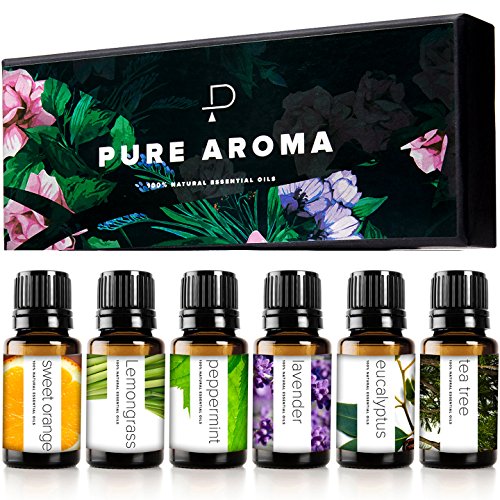
Discover the natural benefits of aromatherapy with our Pure Aroma Essential Oil Set. This curated collection of 6 x 10ml bottles contains pure, essential oils, perfect for both beginners and experienced users. Perfect for diffusers, creating homemade candles, soaps, bath bombs, or blending.

Oil Uses: Designed for but not limited to candle scents for candle making (especially works well with soy wax candle making), diffuser oil scents, freshie scents, oils for laundry, soap making supplies, slime scents, oils for skin, perfume oil, bath and body formulations, bath bombs, and many more essential DIYs.
What About Mini Diffusers and Travel-Size Models?
Mini diffusers and travel-size models typically require only 1 to 3 drops of oil per use. Because these compact units have smaller reservoirs, using fewer drops prevents overloading the device and helps extend the scent duration. For water-based diffusers, start with 1 to 2 drops, while scent-pad styles usually need 2 to 3 drops on the pad itself. Passive wood diffusers require a few drops on the surface, which provides a gentle scent release suited to small spaces. For example, the Air Esscentials Mini Luxury Scent Diffuser Gift Set effectively disperses fragrances in spaces up to 300 square feet, making it suitable for bedrooms, living rooms, or offices. Reducing humidity with a dehumidifier can also help deter centipedes by removing the moisture they need to survive. For those interested in building their own device, a DIY cool mist humidifier can be made with simple household materials and offers a similar gentle mist release. Homemade versions can be just as effective when you build your own diffuser using a small jar, water, and reed sticks for passive diffusion.
Proper dosing is crucial to avoid clogging or damaging these tiny reservoirs, so always begin with the minimum amount recommended by the manufacturer. Over time, residual oil can clog mist mechanisms, especially in smaller devices, so regular cleaning is important. Since scent-pad models hold aroma longer, you can refresh them with fewer drops, often just 3 to 5 drops on a reusable pad for several hours of fragrance.
Always check your specific diffuser’s instructions because design differences mean recommendations vary widely. With careful measurement and use, you can maximize the scent performance of your mini diffuser without risking leaks or blockages.

USB-Powered Diffuser: Enjoy aromatic mist without being limited to a wall outlet. The included USB-to-DC cable connects to a laptop, power bank, or other compatible 5V/1A+ USB power source, giving you flexible placement at home, in the office, or while traveling. Simply plug in the oil diffuser and enjoy your favorite aromas wherever you go. (POWER ADAPTER NOT INCLUDED.)

For your convenience, a Type-C cable is stored inside the water tank. Please note that a power adapter is not included. Use a standard 5V/≥1A (or higher) USB power adapter to ensure proper performance. Always place the unit on a hard, flat, stable surface, such as a tabletop or countertop. Do not place any objects underneath the unit, as they may block the air intake vents.

WATERLESS - Convenient operation! No need to add the water, simply remove cover and drop one or two drops of the oil or fragrance to the pad. Secure cover, turn on and it begins to diffuse.
Does Room Size Change How Many Drops You Use?
Room size directly influences how many drops of essential oil you should use in your diffuser. For small spaces like bathrooms or closets, 3 to 5 drops are enough to scent the area without it becoming overpowering. Medium-sized rooms up to 300 square feet typically require 5 to 10 drops to achieve a noticeable aroma. Larger or open-concept spaces may need 10 to 15 drops—or even more—to fill the area with scent comfortably. The key is to start with a lower amount based on your room’s size and then adjust upward if needed. Keep in mind that diffuser capacity matters too: a larger diffuser can handle more drops, but always begin with fewer drops to avoid overwhelming the space. Less is more until you find the right balance. For example, a 500ml tank can run continuously for up to 20 hours, so adjusting drops based on that long-lasting output prevents the scent from becoming stale or too strong over time. For a truly peaceful environment, pairing your diffuser with a quiet window air conditioner ensures the room stays comfortable and silent. When choosing between a radiator and a space heater, consider oil filled radiator options for consistent, quiet warmth that complements your diffuser’s long run time. For optimal control, a smart thermostat premium can help maintain the ideal temperature and humidity to enhance your diffuser’s performance.

Premium Essential Oils Set with Top 15 Blends for Diffusers: Crafted with rigorously tested ingredients, our Wtrcsv set includes 15 versatile 5ml organic essential oils—Cinnamon, Lemon, Eucalyptus, Bergamot, Lavender, Jasmine, Lemongrass, Peppermint, Sweet Orange, Grapefruit, Rosemary, Rose, Tea tree, Chamomile, Ylang Ylang—ideal for aromatherapy, home care, or creating custom candle&Soap&perfume making scents. Elevate your space with vibrant fragrance blends for humidifiers, massage oils, or DIY bath bombs. Join countless customers who trust our oils for wellness and creativity!


Which Essential Oils Only Need 1–2 Drops?
Some essential oils only require 1 to 2 drops per application because of their high potency. This small amount is enough when targeting facial skin, sensitive areas, or small spots, helping to prevent irritation. Oils like lavender, chamomile, and frankincense work well at this low dose for daily face oils or sensitive skin. Tea tree oil also fits here for spot treatments, but it still needs proper dilution to avoid adverse reactions. For broader home use, consider adapting dosage based on smart thermostat pros and their practical guidance for consistent environment control. For effective room diffusion, choose a quality space heater to maintain stable temperatures that enhance oil dispersal. To ensure the diffusion environment stays comfortable, a top-rated window air conditioner can help maintain cool, consistent airflow for optimal oil distribution. Highly concentrated oils such as clove, cinnamon, and ylang ylang demand even more caution. Stick to a maximum of 1–2 drops per 10 mL of carrier oil to ensure safety. Always start with the lowest effective amount and test on a small skin patch for 24 hours before broader use. Respect each oil’s potency, and remember that even a single drop can deliver effective results if used carefully.
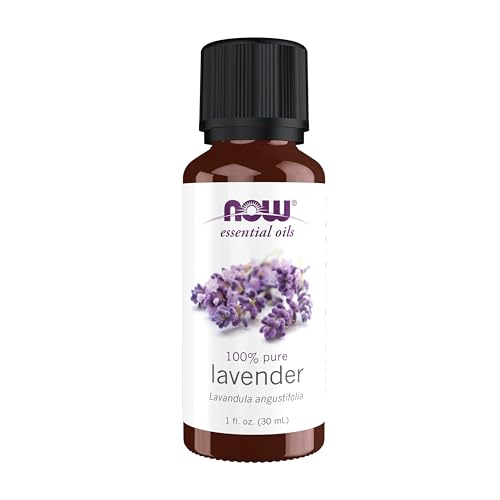
ESSENTIAL AROMATHERAPY: Lavender is soothing, normalizing and balancing with a floral scent that promotes balance and relaxation. Help bring a little extra harmony to your life with this premium essential oil.

ESSENTIAL AROMATHERAPY - Lavender is soothing, normalizing and balancing with a floral scent that promotes balance and relaxation. When your life is truly balanced, maintaining a healthy mood and a positive outlook just seems to come naturally.

LAVENDER ESSENTIAL OIL – Features a soft, floral lavender aroma for use in diffusers, DIY projects, home fragrance, and personal care formulations.
When You Blend Oils, How Many Drops Total?
When blending oils for your diffuser, aiming for a total of 5 to 10 drops works best for most ultrasonic models. This total ensures you create a balanced scent without overwhelming the device or your senses. Larger diffusers, like a 100 ml tank, may only need 3 to 5 drops, while bigger units, such as a 500 ml tank, can handle up to 25 drops comfortably. Instead of adding a set number of drops per oil, divide your total drops across your chosen oils—if you want a balanced blend, for example, 4 drops of one oil and 4 of another. Always keep the overall drop count within your diffuser’s capacity to avoid overpowering the scent and risking sensory overload. Additionally, blending fresh oils can prolong their shelf life by reducing oxidation exposure. A dehumidifier operates by pulling in moist air and passing it over cooled coils to condense excess water vapor. Remember to follow your diffuser manufacturer’s guidelines for safe and effective use. Using a dehumidifier can also improve indoor air quality by reducing excess moisture that may affect scent diffusion. For optimal air quality in the same room, consider how excess moisture can negatively interact with essential oil particles.
Best Starting Point: How Many Drops Should Beginners Try?
For beginners, starting with 3 to 5 drops per 100 ml of water is recommended. If you’re unsure about an oil’s strength, begin with 3 drops, especially with potent oils like peppermint or eucalyptus. This allows you to assess the scent during a short test run without risking overwhelming the space. Remember, it’s easier to add more drops later than to remove excess oil once dispersed. Using fewer drops also helps maintain your diffuser by reducing oil residue buildup in the water tank. This approach promotes better scent longevity, as fewer drops tend to disperse more evenly and last throughout the entire diffusion cycle. For a 200 ml diffuser, starting with around 6 drops is appropriate; larger models may require a slightly adjusted amount. Always check your diffuser manufacturer’s guidelines and increase the number of drops gradually only after assessing performance and scent strength. Unlike water from a dehumidifier, which is not recommended for consumption due to potential contaminants, diffuser water is safe to use with essential oils. For those considering alternatives, reed diffusers provide a flame-free option with a more consistent, passive scent release. For optimal air circulation, consider pairing your diffuser with a top fan tower to evenly distribute the aroma throughout the room.

【High Quality Glass Bottle with Free Droppe】: The fragrance oils come in high-quality glass bottles and are infused with a UV coating to protect the fragrance oils from sunlight and degradation. It also comes with a dropper for easy use.

SIGNATURE AROMA: Inspired by the luxurious ambiance of Four Seas. Hotels, bringing a sophisticated and calming scent to your space

Ingredients & Aroma: Fresh, lemon, slightly herbal and sweet. MUNUSNA 100% natural and pure lemongrass essential oil sourced from cymbopogon citratus leaves and stems by steam distillation and cold-pressing methods, undiluted, no additives, no fillers. This lemongrass oil has a fresh, citrusy and herbaceous aroma that exudes the tartness of lemons with a slight sweetness and slightly herbal, which will provide you with a pure and pleasant aroma
How to Fix a Scent That’s Too Weak or Too Strong
If the scent is too strong, start by stopping the diffuser and emptying the reservoir. Refill it with fewer drops—generally, 3 to 5 drops per 100 milliliters of water works well. For sensitive noses or smaller spaces, try just 1 to 2 drops initially. Keep in mind that a smaller room or strong airflow can make the same amount of scent feel overpowering, so reduce the number of drops accordingly. It’s better to start with a lighter load and increase gradually if needed. For comparison, building a DIY air purifier requires different considerations for airflow and room size. Using an essential oil diffuser can also promote relaxation and improve your comfort at home.
Why Brand Drop Charts Differ (and Why It Doesn’t Matter)
Drop charts differ mainly because of the variables behind them. For example, drop size isn’t standardized: 20 drops can weigh anywhere from 0.30 grams to 1.05 grams depending on the viscosity of the oil and the nozzle design. Additionally, brand charts often start from different baselines—some use water capacity, others assume room size—and device types also impact scent output. Personal perception plays a big role; your sensitivity to aroma strength can make a difference more than any chart’s exact numbers. Cultural preferences influence how many drops are recommended—many Asian brands suggest fewer drops than Western brands because of differing scent norms. Ultimately, these charts are meant to serve as a rough guide, not a strict rule. You’ll naturally adjust based on your nose and the specific diffuser you’re using, making any brand discrepancies less relevant in practical use.
The 3-5-8 Rule: Calculating Drops for Any Diffuser Size
Using the 3-5-8 rule simplifies how many drops you add to your diffuser, based on its water capacity. For a 100 ml tank, start with 3 drops for a subtle scent. If you want a moderate aroma in 100 to 120 ml units, use about 5 drops. For lighter coverage or to avoid overpowering a room, go up to 8 drops, which is the maximum suggested. As the water volume increases, you should increase the number of drops proportionally. For a 200 ml diffuser, this means roughly 6 to 10 drops, and for a 400 ml unit, about 10 to 12 drops. Always begin with fewer drops and adjust slowly to prevent oil buildup and maintain diffuser health. If you blend different oils, keep the total within your diffuser’s recommended range. Use less oil with stronger scents to avoid overwhelming the space. This rule helps you avoid memorizing multiple brand charts and provides a flexible, scalable approach to scenting your environment.
A Simple Rule for Essential Oil Drops in Any Diffuser
The best rule of thumb is to add one drop of essential oil for every 20 milliliters of water in your diffuser. This method simplifies dosing across different diffuser sizes and makes it easy to scale up or down. For example, with a 100 ml tank, use about 5 drops; for 200 ml, around 10 drops; for 300 ml, approximately 15 drops; and for 500 ml, roughly 25 drops.
This guideline helps account for the strength of the oil. Stronger oils require fewer drops to achieve a pleasant scent, while milder ones may need slightly more. Starting with 1 or 2 drops per 100 ml of water is a good approach if you’re new or working with potent blends. From there, you can gradually increase or decrease the amount based on your scent preference. This simple rule eliminates guesswork and lets you control your diffuser experience with confidence.