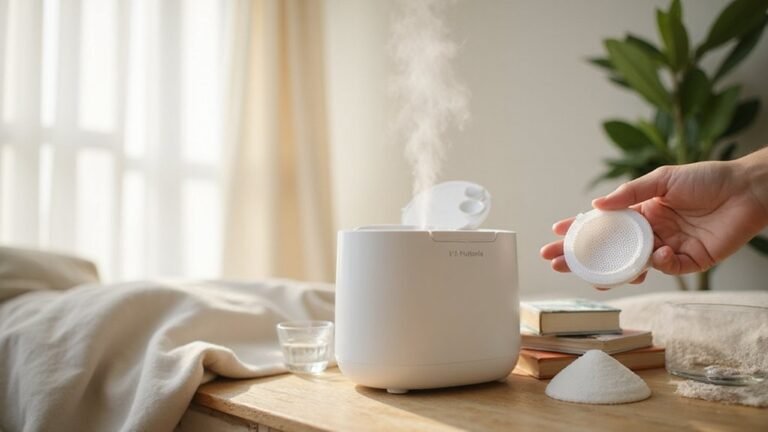
What Type of Water to Use in a Humidifier?
Figuring out what water to use in your humidifier can seem tricky, especially with concerns about mineral buildup, white dust, or bacteria.
The best choice largely depends on your device and water source. Using the right type of water helps keep your humidifier running smoothly and ensures you breathe healthier, cleaner air.
Here’s what you need to know to make the best decision for your humidifier.
Why Distilled Water Matters in Your Humidifier
Using distilled water in your humidifier is essential because it contains no minerals, unlike tap water. These minerals, primarily calcium and magnesium, leave white scale inside the device, which can clog the heating element and decrease evaporation efficiency. Over time, this buildup shortens your humidifier’s lifespan and requires more frequent cleaning. For those seeking a similar level of purification in their cooling devices, best window air conditioners also benefit from regular maintenance to avoid mineral buildup. For large spaces, choosing a model designed for consistent moisture output helps prevent the scale buildup that tap water causes. For combating window condensation, a dehumidifier also requires regular upkeep to prevent similar mineral deposits from clogging its internal components.
In contrast, distilled water ensures your humidifier operates with higher water purity. Without these minerals, there are fewer deposits to clean and less risk of clogging. This consistency means your device runs more efficiently and requires less maintenance. Additionally, using distilled water reduces the risk of bacteria and mold growth since fewer nutrients are present for microbes. Overall, opting for distilled water results in a cleaner, more reliable humidifier that lasts longer and maintains optimal performance.
Distilled vs. Demineralized Water: What’s the Real Difference?
Distilled water is typically the purest option because it undergoes a phase-change process that removes nearly all contaminants. It is purified by heating the water until it turns into steam, then condensing that steam back into liquid. This method eliminates 99.9% of impurities, including bacteria, viruses, and organic materials. Demineralized water, on the other hand, is treated mainly to remove mineral ions like calcium and magnesium using ion exchange or reverse osmosis. While it reduces mineral scale buildup, it doesn’t reliably remove pathogens or non-ionic substances. For your humidifier, distilled water offers a broader purification, making it the better choice if you want the lowest possible contaminant levels. Demineralized water is more process-specific and is best suited when mineral content is the main concern. Both types help prevent scale, but distilled water provides a purer overall result. However, drinking demineralized water can disrupt water and mineral metabolism in the body. For those looking to also reduce moisture in a bedroom, a bedroom dehumidifier can be an effective complement to a humidifier for managing overall air quality. For an alternative cooling solution in hot weather, consider a portable air conditioner instead of relying solely on a humidifier and dehumidifier. Using a space heater with either water type can increase your energy bill, so it is wise to check the energy consumption of the heater to avoid unnecessary costs.

One gallon of Distilled Water

smartwater is h2o crafted through a vapor distillation process inspired by the clouds, for a taste that is always crisp and pure

Distilled Water When You Need It: Pure Life’s Distilled Water helps prevent mineral buildup, making it ideal for multiple uses, including in household appliances that require distilled water to run at peak efficiency. One 1-gallon jug.
When Tap Water Is Safe: and the Risks of Hard Water
Hard water can cause significant issues in evaporative and steam humidifiers because it contains high levels of calcium and magnesium. These minerals form crusty deposits inside the tank and on internal components, which diminish the unit’s efficiency and can shorten its lifespan. Ultrasonic models are especially affected because they break the minerals into tiny particles, creating visible white dust on furniture and floors. This airborne dust not only looks unsightly but can also irritate sensitive airways, such as for children or individuals with asthma. To prevent these problems, regular maintenance is essential. Always empty leftover water before refilling the humidifier to reduce stagnation. Descaling the unit frequently helps remove mineral buildup and prevents bacterial growth. Keep in mind that boiling tap water does not remove dissolved minerals, so scale and white dust can still develop even after boiling. Using distilled or filtered water can minimize these mineral-related issues and keep your humidifier running smoothly. For example, when you place your humidifier near a window, proper placement helps ensure the unit remains stable and functions efficiently. In environments where booklice are a concern, controlling humidity with a reliable dehumidifier is also crucial for preventing their infestation. A humidifier’s performance relies on the correct vaporization process, which is impaired by mineral deposits from hard water.
Does Your Humidifier Type Change the Water Rules?
The type of humidifier you use determines the water you should fill it with, especially regarding mineral content. Steam models can handle tap water because boiling kills germs, but mineral deposits may build up over time. Evaporative units perform best with distilled or demineralized water to prevent filter clogging and mineral buildup. Ultrasonic humidifiers are highly sensitive; using distilled water reduces white dust, a fine mineral residue that can settle on surfaces. For soothing a hoarse voice, selecting a model that produces clean vapor is essential to avoid irritating your throat further. CPAP humidifiers also require distilled water to prevent deposits and ensure safe operation. Always check your manufacturer’s instructions for guidance on water quality. While purified water is generally safest, some units are designed to tolerate tap water. Do not guess—using the recommended water type ensures your device functions properly and lasts longer. Proper water choice minimizes cleaning needs and helps protect your humidifier’s component lifespan. For a comprehensive guide on selecting a device, you might also consult top fan tower reviews to find your ideal cooling solution. If you are also dealing with cigarette smoke, consider choosing a humidifier with an air purifier feature to effectively remove smoke particles from the air.

【UNIVERSAL COMPATIBILITY】 Our demineralization cartridge for humidifier is designed to work with most ultrasonic humidifiers (1-gallon/3.785L tank or larger). Compatible models include UHE-OW14, UHE-WM85, UHE-WM65, UHE-CM25, UHE-CM45, UHE-OC1. Compared to demineralization cartridge UHE-HDC4.

𝗘𝗫𝗖𝗘𝗟𝗟𝗘𝗡𝗧 𝗣𝗘𝗥𝗙𝗢𝗥𝗠𝗔𝗡𝗖𝗘 - Enjoy moist air in winter with Funmit humidifier cleaner fish to ease uncomfortable symptoms caused by dry air. With our advanced humidifier cleaning fish, the humidifier can effectively reduce the magnesium and calcium that may be contained in hard water, and soften the hard water, thus inhibiting the growth of dirt as well as avoiding the buildup of slime in the water, extending the lifespan of the device

TRAVEL WITHOUT THE JUG: TSA-friendly 20 oz bottles are factory sealed, clearly labeled distilled CPAP water and sized for carry-ons, hotel nightstands and bedside tables - no lugging gallon jugs.
How Mineral Dust and Scale Affect Your Humidifier
Mineral dust and scale buildup can significantly impact your humidifier’s performance and health. Hard water minerals like calcium and magnesium don’t evaporate with the water; instead, they are left behind as white dust that can settle on nearby furniture and electronics. In ultrasonic models, these mineral particles are atomized into the air, creating fine dust that you can breathe in. The dust particles pose respiratory risks, especially for sensitive individuals, as they can enter your lungs and cause irritation. While dehumidifiers used for millipedes manage moisture rather than adding it, maintaining low mineral content in your water source helps prevent similar scale and dust issues in those units. For those seeking the cleanest air, a filtered air solution can also help capture airborne particulates like mineral dust. Choosing a model with an essential oil cool mist humidifier feature often requires even stricter water quality to avoid clogging the nebulizer chamber.
Meanwhile, mineral scale forms inside the humidifier, creating a crust on internal components. This scale can clog filters and block water flow, leading to a reduction in mist output by up to 50 percent. As a result, your unit has to work harder, consuming more energy and experiencing faster wear and tear. Additionally, the rough surfaces created by scale deposits provide ideal breeding grounds for bacteria, turning your humidifier into a source of airborne irritants and potential infections. Regular cleaning with a mild vinegar solution can help dissolve these crusty deposits before they harden into stubborn buildup.

🗸 ULTRAPURE DI WATER – Aqua Science’s Deionized Water is constantly put to the test for purity and always comes out on top. Don’t let them tell you it’s 100% pure!

DEMINERALIZATION CARTRIDGE – The Homedics Demineralization Cartridge humidifier filters help reduce the potential for mineral residue (“white dust”) containing calcium, lime, and magnesium caused by minerals and chemicals in hard water

Humidifier Cleaner: Works in virtually all humidifiers, including the following types of residential humidifiers and vaporizers: Ultrasonic, Cool Mist (impeller), Warm Mist, Evaporative, and Steam Vaporizer. Also works in fish tanks
How to Remove Hard Water Scale
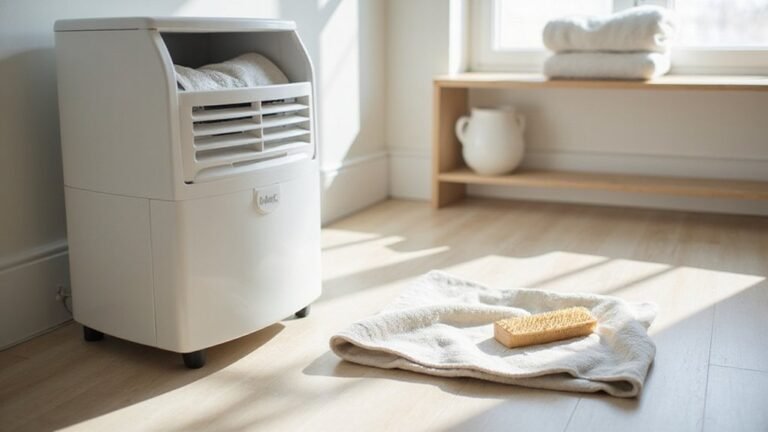
To remove hard water scale from your humidifier, start by unplugging the unit and emptying any remaining water. Disassemble all removable parts, such as the water tank, mist outlet, and sensor covers. Prepare a cleaning solution by mixing equal parts vinegar and water for mild scale, or use undiluted vinegar for heavy crust. Submerge the affected parts in the solution, soaking for 15 to 20 minutes for light deposits, or up to an hour if the buildup is thicker. For even more effective cleaning, you can use white vinegar alone to directly target stubborn mineral deposits. After soaking, gently scrub the surfaces with a soft-bristled brush or toothbrush, paying special attention to corners, mist outlets, and sensors. Use cotton swabs for tight or hard-to-reach spaces. Rinse all parts thoroughly with clean water until the vinegar smell dissipates. Be sure to wipe down electrical components with a damp cloth, avoiding excess moisture. Allow all parts to dry completely before reassembling the humidifier. Regular maintenance, including this cleaning process, helps keep your device functioning efficiently and prevents future scale buildup. Remember to avoid abrasive tools that could damage surfaces. After reassembling, double-check the fit of all components to ensure they are locked securely into place before operation. For ongoing prevention, cleaning the fan blades of any nearby oscillating fan can help reduce dust circulation and mineral particle buildup in the room. For vehicles, installing a portable car air conditioner can also help manage cabin humidity by actively cooling and dehumidifying the air.

One 16-fluid-ounce bottle of Distilled White Vinegar

5% ACIDITY: Clear distilled white vinegar with a clean, sharp taste

Aunt Fannie's Extra Strength All Purpose Cleaning Vinegar: Contains distilled white vinegar specifically formulated for cleaning with 6% acidity; No added scents, dyes, or other additives
4 Alternatives When Distilled Water Isn’t Available
If distilled water isn’t available, you can use reverse osmosis (RO) water, deionized or demineralized water, purified bottled water processed through RO or deionization, rainwater that has been boiled, or boiled tap water. RO water is your best alternative because its purity closely matches distilled water, helping to reduce white dust and mineral buildup in your humidifier. Setting up an in-home RO system provides a low-cost, convenient supply of purified water on demand. Deionized or demineralized water also effectively removes minerals, making it another reliable choice.
If you opt for bottled water, ensure it has been processed through reverse osmosis or deionization—avoid mineral-rich spring waters that can clog your humidifier. Rainwater can be a natural alternative because it generally contains fewer minerals, but it should be boiled first to eliminate pollutants and bacteria. Boiled tap water can serve as a last resort; however, it may leave behind mineral residues that could damage your device over time. Using these alternatives helps to keep your humidifier functioning properly and extends its lifespan.

PATENTED DESIGN – The top-mounted fastener allows for easy countertop installation entirely from above, eliminating the hassle of tightening the nut from underneath the sink.
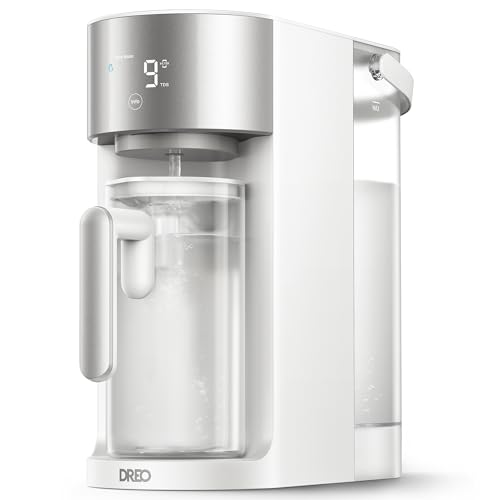
𝗘𝗳𝗳𝗶𝗰𝗶𝗲𝗻𝘁 𝗣𝘂𝗿𝗶𝗳𝗶𝗰𝗮𝘁𝗶𝗼𝗻, 𝗣𝗲𝗮𝗰𝗲 𝗼𝗳 𝗠𝗶𝗻𝗱: The DREO 7‑in‑1 RO water filter filters out 99.9% of possible contaminants in water including PFOA, PFOS, chlorine, fluoride and more. It was tested by SGS meeting NSF/ANSI 58 Standards.

WHOLE SYSTEM NSF/ANSI 58&372 CERTIFIED - This under-sink reverse osmosis water filter is tested and certified by NSF for the entire system, not just individual components.
How to Clean Scale and Keep Distilled Water Efficiency
To effectively remove mineral scale from your humidifier, follow these cleaning steps. First, unplug the unit to ensure safety. Use undiluted white vinegar to soak affected parts—leave them for about 20 minutes for routine mineral buildup or overnight if deposits are heavy. After soaking, gently scrub softened scale with a soft brush or sponge—avoid abrasive pads to prevent damaging components. Rinse all parts thoroughly with clean water to remove any vinegar residue, then dry completely before reassembling to prevent mold or bacteria growth. Regular cleaning with vinegar prevents excessive buildup and maintains efficiency. For those dealing with pests attracted to humidity, using a dehumidifier can help keep centipedes out of your home. For precise placement near your HVAC system, follow the correct placement guidelines to avoid interfering with sensor readings.