Can a Dehumidifier Cool a Room?
Wondering if a dehumidifier can cool down your room? The short answer is no.
While it makes the air feel cooler by reducing humidity, it actually warms the room slightly when running.
You’ll perceive it as cooler because lower humidity helps your sweat evaporate faster, but the real temperature inches up a bit.
Keep reading to understand how they really work together.
Does a Dehumidifier Actually Cool the Air? (No, It Doesn’t)
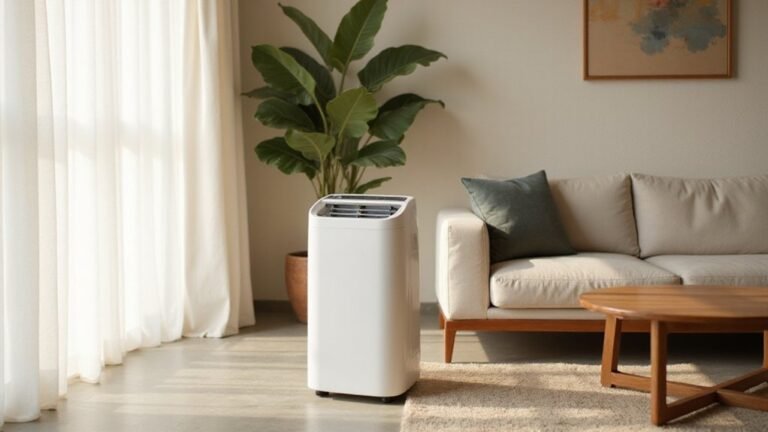
A dehumidifier does not actually cool the air. Its primary function is moisture removal, not temperature reduction. While lowering humidity can make a space feel more comfortable—since sweat evaporates more efficiently—you won’t see a true drop in room temperature. In fact, the refrigerant cycle inside a dehumidifier can release a small amount of heat back into the room, potentially raising the ambient temperature by 2 to 3°F. For actual temperature reduction, you should consider a dedicated unit like a window air conditioner instead.
Feeling cooler is a subjective sensation caused by reduced humidity, not by actual cooling. Lowering relative humidity by around 20% can create a feeling of up to 5°F cooler, but this effect is about comfort, not the air’s temperature. Remember, a dehumidifier is designed to improve comfort through humidity control, not to replace an air conditioner or heat pump for heating or cooling purposes. For homes in humid climates, managing moisture removal is essential for preventing mold and mildew growth. To complement your comfort strategy, selecting the perfect ceiling fan color for your bedroom can further enhance the perceived coolness and aesthetic appeal of the space.

The humidity controller ranges from 5 to 99.99% RH

World's Most Recognized 2-Way Moisture Control
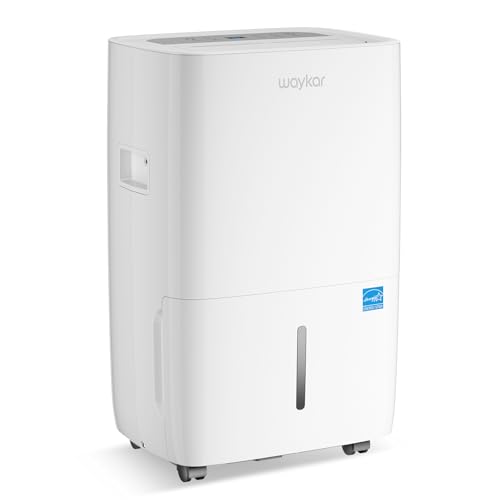
【80 Pint Capacity for Up to 5,000 Sq.Ft Spaces】Quickly removes excess moisture from basements, bathrooms, bedrooms, RVs, and other large living areas, delivering 80 pints per day (95°F, 90% RH).conditions. Designed as a powerful dehumidifier for basement, home, and large spaces, it helps eliminate damp air, condensation—and pet-related odors caused by excess humidity. Even during humid seasons, it works continuously to maintain a dry, comfortable, and healthier indoor environment.
How a Dehumidifier Adds Heat (and Removes Moisture)
A dehumidifier adds heat to your space through two main sources. First, its electrical components—the compressor and fan—consume power, which is released as waste heat into the room, typically around 300 W for a small unit. Second, the process of condensation itself releases latent heat. As water vapor condenses into liquid on the evaporator coil, that heat is transferred to the refrigerant within the system, turning into sensible heat. This heat is then carried to the condenser, where it is expelled back into the air. As a result, the air discharged from the dehumidifier can feel 15° to 25°F warmer than the air drawn in. Although it lowers humidity, the overall effect is a slight increase in temperature within the space. This warming effect is problematic during heatwaves because dehumidifiers generate heat comparable to space heaters.
Why Your Skin Feels Cooler When Humidity Drops
Your skin feels cooler in dry air because lower humidity enhances your body’s natural cooling process through sweat evaporation. When humidity drops, sweat evaporates more quickly from your skin, pulling heat away and making you feel cooler. Your brain interprets this rapid evaporation as a chill, even if the actual air temperature remains the same. In humid environments, evaporation slows down because water molecules stay on your skin longer, keeping you damp but not as cool. The quicker evaporation in dry air means sweat can cool your skin more efficiently, reducing surface moisture and preventing that clammy, cold sensation. Ultimately, lower humidity makes you feel cooler and more comfortable because your body can shed heat more effectively through moisture evaporation.
When a Dehumidifier Feels 5°F Cooler (Real-World Effect)
A dehumidifier feels about 5°F cooler because lowering humidity improves your comfort without actually changing the air temperature. When moisture levels drop, your perception of temperature shifts significantly. Less humidity allows sweat to evaporate more efficiently, making you feel cooler and less clammy even if the thermostat reads the same. For example, a room at 75°F with 70% humidity may feel far warmer than the same room at 45% humidity. For those with nasal congestion, using a best humidifier for blocked nose can provide relief by adding moisture to dry air. For those concerned with pests, reducing humidity also helps keep centipedes out of your home by removing the damp conditions they thrive in. For a more comprehensive solution, consider how whole-home air purifiers can further improve indoor air quality by removing airborne contaminants.
While the dehumidifier itself generates a small amount of waste heat—usually 1 to 3°F—the overall effect is that you perceive a cooler environment. This perceived temperature change is subjective; it doesn’t physically lower the air temperature but enhances comfort by reducing humidity’s stickiness. Keep in mind that this effect can make your space feel significantly more pleasant, but it doesn’t replace the cooling power of an air conditioner.

Wellness Indicator: This humidity meter with humidity level icon indicates air conditions - DRY/COMFORT/WET, allowing this humidity sensor to ensure you’re always aware of changes to your home/household with just a quick glance

Superior Humidity Control: This advanced ultrasonic humidifier delivers whisper-quiet, precise humidification with 1% humidity resolution; A highly sensitive external temperature and humidity probe provides accurate environmental readings, enabling quick adjustments

1-【Widely Application】The digital LCD monitor can be used in home, office, garage, schools, hotels, laboratories, kindergartens, aquaculture, instrument workshop, warehouse, reptile tank terrarium, aquarium, hermit crab habitat, and other places where temperature/humidity measurement is required.
Where a Dehumidifier Works Best: Damp Basements and Rooms
Damp basements are the best environment for a dehumidifier because they are naturally prone to moisture buildup. These spaces are often musty, cooler, and experience high humidity levels, making them ideal targets for dehumidification. To effectively control humidity, aim for a relative humidity between 40% and 50%, as this range helps prevent mold growth and structural damage. The size and dampness of your basement determine the capacity needed—generally, a 1,500-square-foot, very damp space benefits from a 22-pint capacity dehumidifier. Features like a built-in humidistat and continuous drainage simplify maintenance and keep moisture levels stable. Large, unfinished basements with poor ventilation benefit most from dehumidifiers because they actively dry the air and eliminate that characteristic musty odor. Prioritizing these damp spaces not only reduces humidity but also improves overall air quality in your home. However, if you use a space heater in the same basement, never leave it unattended to prevent fire risks. Unlike warm mist humidifiers that add moisture to the air, dehumidifiers work best in these cool, damp conditions where warm mist technology would only worsen the problem. To address persistent moisture issues, look for a unit with a built-in humidistat to automatically maintain the optimal humidity range.

Wi-Fi Enabled: Effortlessly control your dehumidifier from anywhere with the Frigidaire app or connect it to your Amazon Alexa or Google Home devices for smart, hands-free humidity management

EASY TO CLEAN WASHABLE FILTER: Capture dust from the air and keep your dehumidifier working efficiently with our easy-to-clean washable filter.

High-Capacity Removal for Large Areas: This dehumidifier is designed to remove from spaces up to 3,000 sq ft, with a removal capacity of 22 pints per day under standard conditions(MAX 57 Pint at 95°F, 90% RH). It is suitable for use in various areas like basements, living rooms, and bathrooms
When a Dehumidifier Makes a Room Hotter Instead
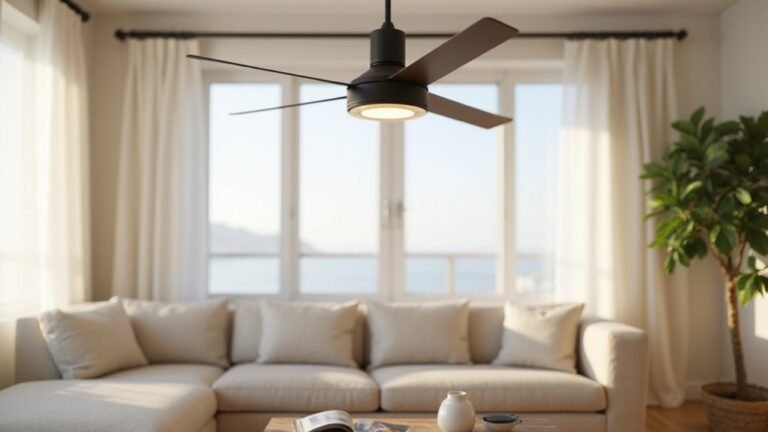
A dehumidifier can make a room hotter instead of just slightly warmer when its refrigeration cycle generates more heat than the moisture removal benefits. This results in a temperature increase that exceeds the typical 2°F to 5°F range, sometimes reaching 10°F or more, without normal water collection. This signals a problem with the unit, such as the compressor working too hard, drawing excessive current, or mechanical issues. Small, sealed rooms tend to amplify this effect because the heat from the exhaust accumulates quickly. If you notice your dehumidifier’s exhaust feels extremely hot and your room keeps heating up, it’s time to shut down and inspect the unit. Excessive heat output is not normal and indicates it needs maintenance or repair before further use. Furthermore, the heat buildup in the room can be made worse by a dirty unit, which is why maintaining your equipment, much like learning how to effectively clean your devices, prevents mold and additional strain. Furthermore, even when functioning normally, a dehumidifier’s significant heat byproduct means the room temperature rises, negating any perceived cooling from lower humidity. For a more efficient cooling solution that also improves air circulation, consider a top ceiling fan with light flush mount instead. For portable spot cooling, USB fans offer a more direct and energy-efficient way to stay comfortable.
Why a Dehumidifier Can’t Replace an Air Conditioner
A dehumidifier cannot replace an air conditioner because it does not remove heat from the room. While it cools the air by passing it over cold coils, the compressor and condenser generate heat that they release back into the room. This process results in no net cooling and can even make the space warmer. Unlike an air conditioner, a dehumidifier lacks an external exhaust to expel heat outside. It only targets moisture, pulling humidity from the air to improve comfort. It cannot lower the actual air temperature because it doesn’t transfer heat outdoors, which is essential for cooling. In contrast, a gun safe dehumidifier is specifically designed to protect valuables by preventing rust and corrosion through moisture control rather than altering room temperature. Therefore, a dehumidifier provides humidity control but does not offer true cooling. If your goal is to reduce room temperature, you need an air conditioner, which is designed specifically to remove heat along with humidity. Using a dehumidifier alone won’t solve a hot room’s temperature problem.
Dehumidifier vs. AC: Which to Choose for Your Home
A dehumidifier is best when reducing excess moisture is your main concern. Unlike an air conditioner, which primarily cools the air and only secondarily affects humidity, a dehumidifier targets moisture directly. It pulls water out of the air, helping to prevent issues like condensation, mold growth, and musty odors. This makes it ideal for spaces with high humidity levels or for improving indoor air quality, without changing the temperature. If you live in a humid climate or notice signs of excess moisture, a dehumidifier runs independently and allows you to maintain comfort while setting your thermostat higher, saving energy. Choose a dehumidifier if controlling humidity is your primary goal. When selecting a model for a small space, you should consider the best dehumidifier for a camper to ensure portability and effectiveness. Dehumidifiers are also more energy-efficient, costing around 3 to 16 cents per hour to run. This process works by drawing air over cold coils that condense moisture into a collection tank. For context, running a space heater typically costs much more, often between 10 and 40 cents per hour depending on the wattage and local electricity rates, making a dehumidifier a cheaper option when you only need to address dampness.

SMALL & COMPACT: Our lightweight and portable dehumidifier for home is capable of removing up to 9 ounces of water per day with a 16-ounce water tank capacity. Ideal size bathroom dehumidifier for rooms of 1200-2200 cubic feet (215 sq ft).

🍃Advanced Small Dehumidifier for Home: Designed for lasting home use, our bathroom dehumidifier works gently and steadily to maintain a balanced humidity level. The large 44 OZ (1.3L) water tank minimizes emptying frequency. Suitable for dorm room, camper, apartment, room, office and living room. No more dampness-just fresh, comfortable air everywhere

High Efficient Dehumidifiers for Home: This compact 44oz dehumidifier efficiently removes excess moisture in rooms with 86°F and 80% RH, collecting up to 11.8oz (349ml) of water in 24 hours. It maintains an ideal humidity level of 45%-55% while operating at ultra-low energy consumption (24W/hour, 576W/day). Perfect for bedrooms, bathrooms, and small spaces.
How to Use Both a Dehumidifier and an AC for Maximum Comfort
Pairing a dehumidifier with your air conditioner provides optimal comfort by addressing both temperature and humidity. Start the AC first to reduce the heat load directly. Once the temperature drops to a comfortable level but humidity still feels high, add the dehumidifier. It will improve overall comfort by making the air feel cooler—up to 5°F subjectively—even without changing the thermostat setting. Aim to keep relative humidity between 30% and 50% for best results. Keep in mind that dehumidifiers produce slight waste heat—about 1 to 3°F—so avoid using them in tiny, sealed spaces. Instead, focus on basements and humid bedrooms where moisture levels are most problematic. Use the AC to handle peak heat and the dehumidifier to maintain a dry, comfortable environment. For spaces with high humidity, selecting a portable air conditioner with the best BTU can ensure the AC effectively manages both cooling and moisture removal. Air purifiers, by contrast, focus on capturing airborne particles rather than altering temperature or humidity. Reviews of the top portable air conditioners often highlight models that excel in both cooling performance and moisture removal for superior comfort.

Upgrade High Efficient Dehumidification: Dehumidifier utilize semi conductor condensation technology, ensuring quiet operation while effectively extracting moisture from the air. This advanced feature helps keep humidity levels below 45%

REUSABLE, ECO-FRIENDLY DESIGN: The Osmo Moisture Absorber features a refillable water tank, removing up to 44 fl oz of moisture from the air. Unlike disposable moisture absorbers such as hanging bags or crystals, our Moisture Absorber can be used over and over again, helping to reduce waste and improve your carbon footprint.

2X SEMICONDUCTOR CONDENSERS: In order to improve the efficiency, our dehumidifiers equipped with DUAL semiconductor condensers which almost double the effect of other small dehumidifiers. It effectively absorb up to 700ml excess moisture per day (Tested in 86°F, 80% RH which can achieve optimal performance). Our dehumidifier can cover various small spaces such as bathrooms, kitchens, cloakrooms, RV, etc.