How Long Do Essential Oils Last in a Diffuser?
Wondering how long essential oils last in your diffuser? The answer depends on the type you use. Ultrasonic diffusers typically run for 3 to 12 hours, while nebulizers only last 1 to 3 hours before needing a refill.
Passive reed diffusers can last for months, making them a low-maintenance choice.
Factors like room size, humidity, and airflow also affect how quickly the oil runs out. Keep reading to learn how to maximize every drop.
Why Essential Oil Runtime Differs by Diffuser Type
The runtime of your diffuser depends heavily on its type and core mechanism. Nebulizing diffusers, which break down oil into fine mist using air pressure, tend to consume undiluted oil rapidly, offering only about 1 to 3 hours of effective scent. Heat diffusers, which warm the oil to encourage evaporation, typically last 1 to 2 hours before needing a refill, as warming accelerates oil depletion. Cold-air waterless models operate in short bursts—usually 5 to 15 minutes each cycle—but their intermittent operation can extend overall diffusion time to roughly 30 minutes of continuous scent. Using a dehumidifier alongside your diffuser can help reduce moisture that attracts pests like centipedes, making scent last longer in low-humidity environments.
For longer-lasting aroma, passive diffusers like reed diffusers are ideal. They release fragrance gradually over several weeks without power, making them a cost-effective and low-maintenance choice. Their slow consumption allows for aroma layering, where multiple scents can mingle over time without overwhelming the space. For a more powerful but short-lived scent experience, a window air conditioner can help cool a room quickly while you run a strong essential oil blend. When selecting a diffuser, consider the quality, performance, and value of different models to match your needs.
Location also affects runtime. Drafty spots can diminish scent presence more quickly, while enclosed areas help scents linger longer. Position your diffuser thoughtfully to maximize the duration of your chosen fragrance.
Ultrasonic Diffusers: 3–12 Hours of Scent (and Why)
Ultrasonic diffusers typically provide between 3 and 12 hours of aromatic experience. The duration depends on factors like tank size and settings. Continuous operation usually lasts 3 to 6 hours before needing a refill, while intermittent modes can extend scent output to 8–12 hours. Smaller tanks may require refilling after just 2 to 3 hours, especially at higher mist outputs, but units with larger capacities or lower output settings can push beyond 8 hours without interruption. Additionally, the type of essential oil used affects scent longevity, as citrus oils degrade faster than thicker varieties like frankincense. For consistent scent in a bedroom, pairing your diffuser with a bedroom dehumidifier can help maintain air quality and prevent excess moisture from affecting the aroma. However, using a humidifier instead of a diffuser can create excess moisture conditions that promote mold growth, so ensure your device is designed for essential oils. Unlike a bladeless fan that relies on an air multiplier effect to circulate air without visible blades, a diffuser must be designed specifically for oil dispersal to work properly.
Using water and essential oils together allows for blending top, middle, and base notes, creating layered scents that evolve over hours. Because the diffuser releases a water-based mist, it maintains a clean aesthetic without leaving sticky residue or oil deposits on surfaces. Keep in mind, the intensity of the aroma tends to fade before the water runs out, so adding a few drops of oil periodically helps maintain a consistent fragrance throughout the diffuser’s run time.

Truly Waterless Design — Fill the container with fragrance oil (min. recommended for best performance), plug in, and enjoy. No water, no mess.

5-IN-1 AROMATHERAPY DEVICE: This ultrasonic essential oil diffuser is an amazing multi-functional aromatherapy device unlike any other you've ever used. It features a large and easy to clean 500ml water tank, 7 LED light colors, multiple mist nebulizer modes and remote control, as well as a safety auto-switch that prevents it from overheating in case it runs out of water.

Cost-Effective Essential Oil Use - Uses far less oil than waterless diffusers. Any essential oil can be used in our air diffuser while waterless models quickly use up entire oil bottles in just a few days. Enjoy long-lasting fragrance at only 1/5 the oil cost, helping you cut down on daily expenses.
Nebulizing Diffusers: Strong Scent, Fast Oil Consumption
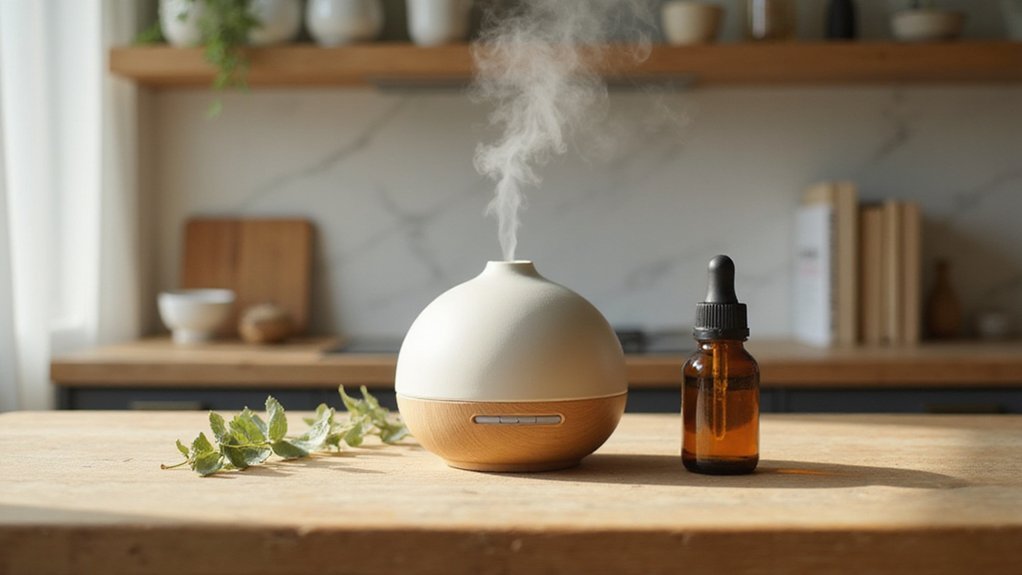
Nebulizing diffusers provide a strong and immediate aroma, but they also use oil quickly. These devices atomize pure essential oil without water or heat, creating a potent mist. They typically consume between 0.5 and 3 milliliters of oil per hour. Using the diffuser continuously, a 10-milliliter bottle can run out in just 3 to 5 days.
To extend your oil supply, operate the diffuser in intermittent cycles and lower its intensity settings. Since these diffusers rely on pure essential oil, using heavy carriers or additives can clog the nozzle. Regular device maintenance is necessary to keep it functioning smoothly. Remember, you’re trading longer run times for a more powerful scent, so reserve nebulizers for targeted, quick bursts of aroma rather than all-day background use. For a different approach to air quality, a cool mist humidifier can add moisture for comfort and help ease dry respiratory passages. However, if you are also dealing with a silverfish infestation, a dehumidifier for silverfish can reduce the moisture these pests need to thrive. For those balancing scent and cooling needs, choosing between portable and window units can affect both energy use and room comfort.
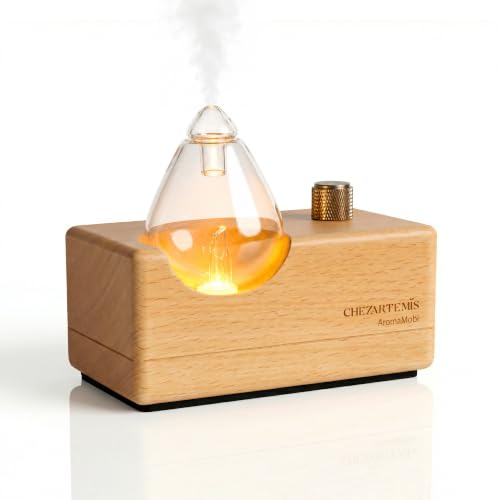
PURE SCENT WITHOUT WATER - Our cold-air nebulizing technology atomizes pure essential oils into a fine, water-free mist. This helps preserve the natural characteristics of the oils while minimizing any increase in indoor humidity. Compatible with any essential oil or fragrance oil.

[Waterless Nebulizing Technology]Experience pure, powerful fragrance with advanced waterless nebulizing technology. This waterless diffuser transforms pure essential oils into a fine mist without water or heat, helping preserve their natural aroma while delivering a rich, long-lasting scent experience.

Unrivaled Diffusing Technology. This waterless diffuser transforms essential oils into a cloud of ultra-fine mist nanoparticles without heat or water, delivering the long-lasting, pure fragrance throughout the room instantly and quietly
Why Passive Diffusers (Reeds) Last Months Instead of Hours
Passive reed diffusers last months instead of hours because they rely solely on capillary action to release fragrance. Unlike nebulizers that use heat or fans to disperse scent quickly, reeds draw oil gradually up through small pores, releasing fragrance as the oil evaporates. This slow, passive process limits the amount of scent dispersed at any given time, enabling a 100 mL bottle to last typically 3 to 4 months. Compared to candles, reed diffusers offer a lower running cost because they do not require a flame or replacement after each use. For a similar reason, an air purifier used in a bedroom can also achieve long-term efficiency when running continuously at a low fan speed. To prevent buildup that can interfere with reed performance, it helps to clean the diffuser bottle periodically with mild soap and water as you would with a tower fan.
Reed saturation influences how long a diffuser remains effective. Once the reeds are fully soaked, they slow their oil intake, which helps conserve the remaining liquid. You can extend the diffuser’s life by using fewer reeds, since fewer reeds reduce surface area and evaporation rate. To maintain optimal performance, replace reeds every 6 months, as clogged or old reeds weaken scent dispersion and can diminish the diffuser’s effectiveness over time.

Luxurious Woody-Floral Fusion : Harmonious blend of warm sandalwood and velvety rose petals, evoking timeless elegance

Ocean Breeze Lobby is a hotel-inspired fragrance oil crafted for a breezy coastal resort-lobby atmosphere. It opens with bright citrus and sea-air freshness, softens into airy florals and melon, and finishes with smooth amber and clean musk for a light, polished, welcoming home scent.

Jasmine Fragrance Oil Refill : Blooming jasmine flowers have a refreshing and green aroma. Accompanied by a sweet fragrance, warm and soft, enveloping your sense of smell, making all restlessness return to tranquility.
Room Size, Humidity, and Airflow: The 3 Key Factors That Drain Your Oil
Room size, humidity, and airflow are the three main environmental factors that influence how quickly your diffuser’s oil drains. Larger spaces require more effort from your diffuser, causing faster oil consumption just to maintain a noticeable scent. When a room is bigger than the diffuser’s coverage area, it must work harder to disperse the fragrance, leading to quicker depletion of oil.
High humidity makes the air heavier, which slows down how fast the scent travels through the space. This often prompts you to increase the diffuser’s output to compensate, consuming oil more rapidly. Conversely, low humidity can make the initial scent more pronounced, potentially helping you conserve oil over time. A 500ml tank with up to 20 hours of run time still loses oil faster in humid conditions because the heavier air forces the ultrasonic mechanism to work at higher output just to maintain a detectable scent presence. You should regularly clean the filter of your diffuser to prevent buildup that can reduce efficiency and hasten oil consumption. Selecting a high-quality essential oil designed for ultrasonic diffusers can also help maintain consistent scent output and reduce waste.
Airflow is the biggest factor draining your oil—moving air disperses scent molecules quickly, so if your room is drafty or if there are vents nearby, your diffuser will run longer or at higher settings to keep the scent noticeable. Even aesthetic elements like open windows or fans can speed up scent dispersion. Using shorter, timed sessions of 30 to 60 minutes is usually more efficient than continuous operation, especially in environments with strong airflow. Remember, even if your diffuser’s design looks sleek, environmental conditions will always impact how fast your oil is used up.
Citrus vs. Sandalwood: How Oil Type Changes Scent Duration
Citrus oils tend to fade faster than sandalwood in a diffuser, with their scent lasting about an hour. This is because citrus oils are lighter and more volatile, making them quick to evaporate and releasing short bursts of a bright, fresh aroma. Their small molecules act as top notes that peak rapidly and then diminish. In contrast, sandalwood’s denser composition contains larger molecules that evaporate slowly. As a base note, sandalwood’s scent can linger for several hours, providing a deeper, more sustained aroma. This difference means you’ll get a quick refresh with citrus but a longer-lasting background scent with sandalwood. When using an Essential Oil Cool Mist Humidifier, you can adjust the diffusion time to match the specific oil type for optimal performance. For a stronger initial burst, you might consider a portable air conditioner with a higher BTU rating to ensure the room stays cool during the rapid release of citrus molecules. Proper vent hose installation prevents warm air from re-entering the room during this process.
Can Intermittent Mode Really Double Your Diffuser Time?
Intermittent mode can roughly double your diffuser’s runtime. It works by alternating between misting and pausing, which reduces overall oil and water consumption. A common cycle is 30 seconds on followed by 30 seconds off, often extending the diffuser’s operation from around 3 to 4 hours up to 6 to 8 hours. Some models, like the Young Living Sweet Aroma, specify 4 hours of continuous use versus 8 hours in intermittent mode. This feature is especially useful for longer aromatherapy sessions without the need for constant refilling. Just keep in mind that proper diffuser maintenance is essential—check your reservoir size and ensure your cycle settings are correctly configured. When selecting a model, consider the right water humidifier for your specific room size and needs. Intermittent mode isn’t available on all models, but on many devices, it can indeed deliver that double-time runtime promise. This cycling pattern also prevents sensory system desensitization, enhancing the overall aromatherapy experience. Unlike reed diffusers that rely on passive wicking, ultrasonic diffusers use vibrating technology to disperse oil into a fine mist. For the best results, always use high-quality essential oils to avoid clogging the diffuser mechanism.
When to Refill: 3 Clear Signs Your Scent Is Gone
If your diffuser’s scent has faded or turned flat, it’s a clear sign you need to refill. You may notice a dull or sour smell—oxidation can degrade the oil, reducing its vibrancy and effectiveness. Additionally, if the fragrance becomes too faint even after a full cycle, it indicates the scent has weakened beyond its optimal strength. Look for color changes such as cloudiness or darkening, which signal the oil is spoiling or losing its potency. Thick, sticky textures are also a warning that the oil’s chemistry has shifted and it’s time for a fresh fill. Recognizing these signs early helps you maintain proper diffuser function and ensures you always enjoy potent, fresh aromatherapy sessions.

Designed for Compatibility – Replacement bottle made to fit perfectly with LuxHydvat T20 aroma diffuser.

【Perfect Replacement】Our 20-pack of essential oil diffuser sticks measures 10 inches in length and 3mm in diameter, making them ideal for use in home reed diffusers, ensuring a continuous release of delightful fragrances.

It is dyed with reed diffusion sticks of natural colors
Best Value Per Drop: Ultrasonic vs. Nebulizer for Your Budget
Ultrasonic diffusers provide 8 to 12 hours of continuous use in intermittent mode, making them ideal for long-lasting background scenting. They dilute essential oils in water, which stretches each drop further and allows for a more economical use of your oils. Nebulizers, on the other hand, consume 0.2 to 0.5 milliliters of oil per minute, so a 10-milliliter bottle might only last 3 to 5 days with continuous operation. If you prioritize runtime per drop and long-lasting scent coverage, ultrasonic diffusers generally give you better value.
For better economy, opt for denser essential oil blends such as woody or resinous oils, which require less to achieve a strong scent. Placement also plays a role—placing your diffuser in a closed room helps the scent linger longer, reducing the need for frequent runs. If your goal is short, high-impact scenting sessions, a nebulizer can work well, but for daily use focused on value, ultrasonic diffusers tend to be more cost-effective overall.

Compact and Versatile - Our small oil diffuser is designed to be compact and versatile, making it suitable for various spaces and lifestyles. Aromatherapy diffusers sleek and portable design allows you to easily move it from room to room, enabling you to enjoy aromatherapy wherever you go. Whether you want to create a soothing ambiance in your bedroom, living room, office, or even during travel, an aroma diffuser is a nice choice.

【Real Glass Reservoir Diffuser】The 200ml glass water tank aromatherapy diffuser is made of hand blown diamond-shaped pineapple pattern glass reservoir & cover by craftsmen with over 20 years of experience and white PLASTIC BASE. Compare with plastic reservoir diffuser, glass reservoir diffuser does not absorb essential oils to ensure the natural ingredient of essential oils remains optimal, which brings you a healthier aromatherapy experience. No-BPA Glass Reservoir Diffuser is healthy for you, great for our planet!

Premium Ceramic Diffuser: This stone diffuser has a handmade ceramic cover that is sturdy and durable, as well as an excellent surface performance of dirt resistance and ease of cleaning. The unique and elegant style also make it complements any decor scheme. And the tank is made of high-quality PP material, which assures mist safety.
Why Cleaning Your Diffuser Saves Oil (and Money)
Cleaning your diffuser regularly saves oil by preventing buildup that reduces mist output and causes oil residue to clog parts. When the ultrasonic plate, lid, or mist outlet accumulate film, less oil is converted into mist, meaning more oil is wasted without benefiting your space. Thick oils like patchouli or sandalwood create stubborn films that alter scent profiles, prompting you to add extra drops unnecessarily. Regular cleaning removes these residues, ensuring each fill distributes evenly and minimizes waste. Using a simple vinegar rinse keeps the diffuser functioning efficiently, prevents overheating and corrosion, and extends its lifespan. As a result, you’ll use less oil overall, saving money while enjoying consistent aromatherapy. For heavy buildup, soak with straight vinegar beforehand to break down stubborn films that otherwise waste oil.