Can a Humidifier Cause Mold?
Wondering if your humidifier could be causing mold in your home? It’s a real concern because if humidity levels stay high or you neglect regular cleaning, mold spores can develop and spread.
A humidifier’s water tank and filters can become breeding grounds if not maintained properly. Keep reading to learn how to prevent mold and keep your space healthy.
Can a Humidifier Cause Mold? (Direct Answer)
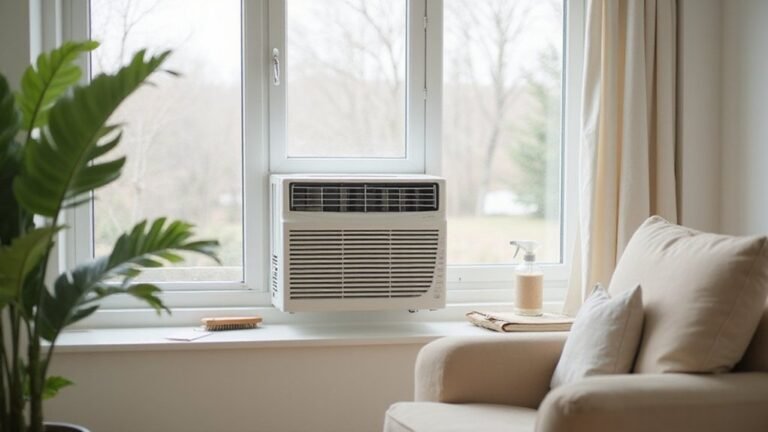
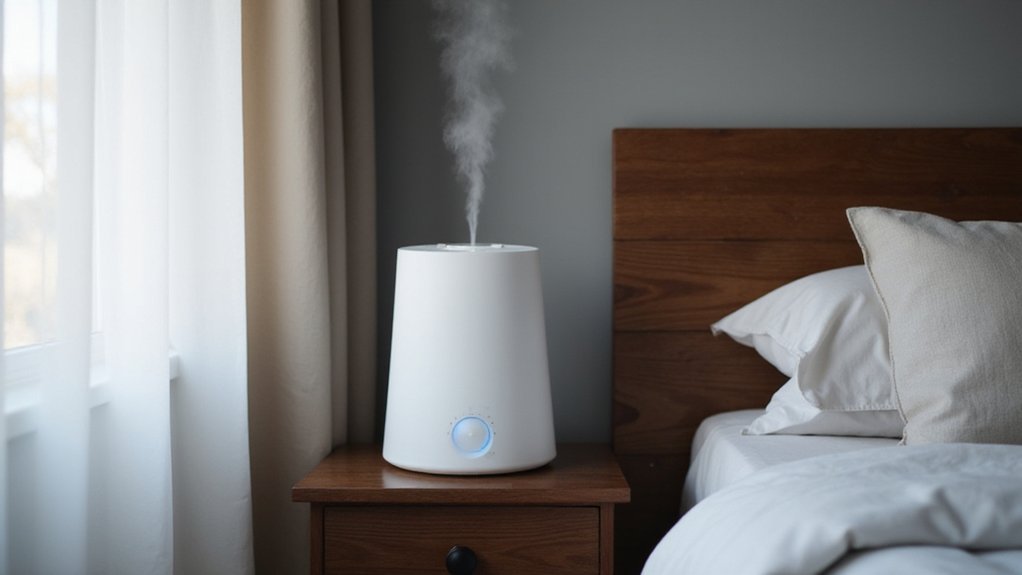
A humidifier can indeed cause mold if not properly cleaned and maintained. Stagnant water left in the tank provides an ideal environment for mold and bacteria to grow. Dirty components like the air filter trap moisture and organic debris, further supporting microbial development. Additionally, raising the humidity levels in your home creates a favorable condition for mold to thrive elsewhere. When the humidifier disperses mist into the air, it can carry mold spores directly into your indoor environment, increasing the risk of mold growth on surfaces or within your home’s air. For comparison, a window air conditioner can also contribute to mold if its filter and drain pan are not cleaned regularly. Choosing the wrong room size for your humidifier makes mold issues worse. An oversized unit for a small space pushes humidity levels too high, while an undersized one runs constantly, causing water to sit in the tank longer. Both situations heighten mold risk. Proper placement away from walls ensures adequate airflow around the unit, preventing excessive moisture buildup in one area. Regularly cleaning your humidifier and changing filters according to the manufacturer’s instructions helps prevent mold formation and maintains healthier indoor air quality. Experts recommend using a smart thermostat to monitor and control indoor humidity levels for optimal air quality.
The Humidity Levels That Let Mold Take Over
Keeping indoor relative humidity below 50% is crucial for mold prevention. While humidity alone doesn’t guarantee mold growth, allowing levels to exceed this threshold significantly increases your risk. Aim for a target range of 30–50% RH for optimal safety. When outdoor humidity seeps inside or when a humidifier runs unchecked, levels can easily surpass 50%. At around 60% RH, mold growth becomes strongly favorable, especially on cool walls or windows where condensation forms. Once humidity climbs above 70%, the risk accelerates sharply, making mold growth almost inevitable within 24 to 48 hours. To prevent this, use a hygrometer to monitor indoor humidity levels regularly, adjusting your humidifier as needed. Expert insight highlights that a dedicated bedroom dehumidifier often provides more precise control than a general unit. Managing humidity precisely can save you from dealing with mold problems down the line. Some specialized environments, like those housing millipedes, may require a dehumidifier for millipedes to maintain safe moisture levels without encouraging fungal growth. For severe cases like water damage restoration, selecting a high-capacity dehumidifier is essential to rapidly reduce moisture and prevent mold from taking hold.
7 Signs Your Humidifier Is Already Growing Mold
Visible discoloration such as black, green, or pink patches inside the tank or nozzle is a clear sign your humidifier is growing mold. These patches indicate fungal or bacterial colonies thriving in moist environments. Mold spores can become airborne when you use the device, potentially triggering allergies or respiratory issues. Regularly inspect your humidifier’s interior for any unusual coloration, and if you notice discoloration, it’s a sign to thoroughly clean or replace the unit to maintain safe air quality. For example, selecting a top humidifier designed for healthy monstera growth can reduce mold risks by including antimicrobial features. For an alternative approach, using a dehumidifier in rooms with persistent dampness can directly lower humidity levels that mold requires to thrive. Casement window units often have tighter seals and smaller footprints, which can trap humidity unevenly, so pairing your humidifier with a properly ventilated room layout is equally important for preventing mold buildup.
Where Mold Hides Inside Your Humidifier
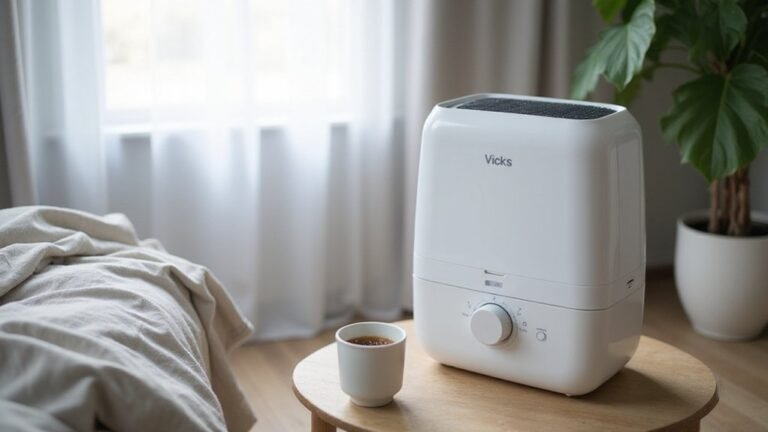
Mold can hide in multiple places inside your humidifier, not just the tank. The base reservoir traps stagnant water, providing a perfect environment for mold to grow. The wick filter remains damp for days, incubating mold spores. The mist nozzle and internal ducts rarely dry thoroughly, allowing mold to develop unnoticed. Air intake vents collect dust and moisture, creating additional sites for mold growth. Moisture can also be drawn in through air leakages around the unit, settling into damp crevices. Power fluctuations may cause irregular cycling, resulting in water sitting longer than it should. Don’t overlook the tank rim groove and cap seal, which tend to retain moisture in recessed edges. Over-humidification impacts nearby surfaces too, creating mold-friendly zones on walls and furniture. Selecting a model designed for dry skin relief can help reduce the risk of over-humidification. A DIY humidifier filter made from absorbent materials can trap fewer spores but may also reduce stagnant water in the base. Following correct use practices like emptying the base daily can prevent stagnant water from accumulating.
How Often Should You Clean Your Humidifier to Prevent Mold?
You should clean your humidifier every three days if you use it regularly. This frequency helps prevent the growth of mold and bacteria inside the unit, maintaining good air quality and ensuring the mist remains clean and safe. In addition to this, it’s essential to empty and dry all surfaces daily, then refill with fresh water. This routine reduces standing water that can serve as a breeding ground for microorganisms. For devices that see frequent use, a weekly deep cleaning is recommended as per manufacturer guidelines. If you notice a musty smell, slime buildup, or a drop in mist output, cleaning more often is necessary. For infrequent use, cleaning once a month may be enough, but always make sure to empty and dry the tank after each use. Seasonal cleaning is also important before storing your humidifier for the season and again before restarting it.
How to Clean Mold From Your Humidifier
After unplugging the humidifier and removing all detachable parts, begin by emptying any standing water. Soak the water tank and base in a solution of one part white vinegar to one part water for 15 to 30 minutes. Use a soft brush to scrub all crevices thoroughly, paying close attention to corners and hard-to-reach spots. Rinse each part well with clean water until the vinegar smell is gone. For stubborn mold, prepare a bleach solution with one teaspoon of bleach per gallon of water and soak the parts for about 15 minutes—never mix bleach with vinegar or other cleaners. Clean small parts such as caps with a cotton swab dipped in vinegar or bleach solution. Avoid using bleach on filters, as it can damage their coating. Instead, deep cleaning methods with vinegar can help prevent future buildup. A key tip is to use undiluted white vinegar for particularly stubborn mineral deposits, as the knowledge source recommends it for effective buildup removal. After cleaning, wipe all components dry and allow them to air-dry completely before reassembling. Do not add essential oils to the water, as they can leave residue that encourages mold growth. Instead, focus on proper drying and regular vinegar cleanings to keep your humidifier mold-free and functioning properly. For daily maintenance, always empty the water reservoir and refill it fresh each day to minimize the risk of microbial growth in stagnant water.
Does Distilled Water Actually Prevent Mold?
Distilled water can help reduce the likelihood of mold growth in your humidifier, but it doesn’t completely prevent it. Its high purity removes most minerals and impurities, which means there are fewer nutrients available for mold to feed on. Additionally, less mineral buildup means less residue and scale inside your tank, creating fewer hiding spots for mold spores. An oscillating fan can help reduce moisture buildup in the room by improving air circulation, which further discourages mold growth.
However, mold spores can still enter from the air, dust, or contaminated surfaces. Warmth and moisture alone create ideal conditions for mold, no matter what water type you use. While distilled water lowers the risk, it is not a sterilization method. Regular cleaning is still essential to keep mold at bay. Using distilled water is beneficial, but it’s only one part of a comprehensive mold prevention routine. For example, when choosing between portable and window units for your space, you must also consider how each model’s design and airflow affect indoor humidity levels and potential mold risk.
5 Humidifier Habits That Prevent Mold Growth
Emptying the humidifier tank daily is the most effective habit to prevent mold growth. Standing water creates a damp environment that encourages mold development, so draining the tank each day reduces the time water sits stagnant. After emptying, dry the tank thoroughly to eliminate residual moisture. Incorporate a weekly deep cleaning with vinegar or hydrogen peroxide, ensuring you rinse completely to remove any chemical residues. Using distilled water instead of tap water helps prevent mineral buildup, which can form white dust and serve as a breeding ground for bacteria and mold. Replace filters as recommended by the manufacturer, since dirty filters trap impurities that promote mold growth, and consider choosing models with replaceable filters for easier maintenance. Keep the surrounding area dry, place the humidifier on a non-absorbent surface, and monitor room humidity with a hygrometer to avoid over-humidification. Following a step-by-step method ensures all internal components are properly cleaned and free of buildup. Always unplug the device and disassemble it fully before cleaning to safely access every part, as this prevents electrical hazards and allows for a more thorough removal of hidden mold spores.