Can You Run a Humidifier Without a Filter?
Wondering if you can run your humidifier without a filter? The answer depends on your machine type. Some models, like steam vaporizers and ultrasonic units, often work without filters.
But you’ll need to use distilled water and clean the tank regularly. Keep reading to see which humidifiers are built for filter-free operation and what you should consider.
Can You Run a Humidifier Without a Filter?
Yes, you can run a humidifier without a filter, but only if your model permits it. Always check your user manual before removing or operating without the filter, as doing so against manufacturer instructions may void your warranty. Eliminating the filter can save you money on replacement costs, but it does not improve energy efficiency, as filter-free operation doesn’t inherently use less power. Many filter-free units are designed for straightforward filling and operation, offering convenience for use in various rooms, including bedrooms. For those considering alternative cooling options, some portable air conditioners operate without a hose, offering a hose-free design that simplifies placement.
Without a filter, water quality becomes more critical. Tap water contains minerals that can leave white dust on your furniture and surfaces, so using distilled or demineralized water is recommended to prevent buildup. Regular maintenance is essential—clean the unit thoroughly every 2 to 3 days to prevent bacteria and mold growth that could cause odors or health issues. Be especially mindful of correct placement to ensure the unit operates safely and doesn’t obstruct air circulation or cause moisture damage to nearby surfaces. Neglecting proper cleaning increases the risk of dispersing contaminants into your indoor air.
Operating a filter-free humidifier demands stricter attention to cleaning and water quality. Proper care ensures safe, effective humidification and prevents unnecessary issues, but it’s not a universal shortcut—your habits must adapt accordingly.
Which Humidifier Types Run Filter-Free Safely?
Several humidifier types are designed to run safely without a filter. Steam vaporizers heat water to boiling, which kills microbes and makes them a safe filter-free option for warm mist. Ultrasonic models create a cool mist using high-frequency vibrations, but you need to clean them regularly. Minerals stay in the tank, and without proper cleaning, microbial growth can occur. Evaporative humidifiers sometimes use a wick instead of a disposable filter, offering a low-maintenance, filter-free choice. For those with specific window configurations, vertical window air conditioners offer a similarly space-efficient solution for cooling. Impeller humidifiers spin water through a disc to produce a cool mist without any filter. Whole-house systems can also run without filters by integrating into your HVAC system for automatic humidity control. With these options, you avoid filter costs but must consistently manage water temperature and perform regular cleaning to ensure safe operation. For instance, the Everlasting Comfort 6L Humidifier uses a no disposable filters design for easy maintenance and reduced costs. A common example of such a system involves using a wick that evaporates water naturally without requiring replacement filters. For those prioritizing performance, the best air purifiers similarly offer quality and performance comparisons for buyer confidence.

Filter-free Vicks Cool Mist Humidifier: Designed without extra filters, the 1.2-gallon tank provides up to 30 hours of mist. Ultra-quiet operation makes this an ideal humidifier for baby nurseries, main bedrooms, or any humidifier large room space

𝙁𝙖𝙨𝙩 𝙃𝙪𝙢𝙞𝙙𝙞𝙛𝙞𝙘𝙖𝙩𝙞𝙤𝙣 𝘼𝙡𝙡 𝙉𝙞𝙜𝙝𝙩: Runs for up to 25 hours on low thanks to its SUPER LARGE capacity of 2.5 liters. The soothing moisture helps quickly relief congestion and dry throat.

Relief from dry air discomfort: This room humidifier for bedroom provides visible cool mist to help maintain indoor humidity between 40–60%, offering relief from cough, congestion, dry throat, and nasal irritation during cold, flu, or allergy season
How to Tell If Your Humidifier Requires a Filter
Many humidifiers require a filter, primarily evaporative or whole-house models. Check your product manual or manufacturer’s website for terms like “filter replacement” or “wick filter,” which indicate a filter is necessary. Ultrasonic and steam models often operate without filters, so knowing your unit’s type helps determine if a filter is needed. For those concerned about pests, selecting a dehumidifier for centipedes can also help control the moisture that attracts them. Understanding how the technology works in evaporative models, which rely on a wick filter to absorb and then release moisture, clarifies why a filter is essential for proper operation. To maintain optimal humidity levels for sensitive plants, consider using a humidifier designed for ferns, which often feature replaceable wick filters to ensure consistent performance.
Look for an indicator light that signals when to replace the filter. If your device lacks this feature, visually inspect the filter for stiffness, discoloration, or foul odors, all signs that it needs immediate replacement. A significant drop in moisture output can also suggest a clogged filter affecting the device’s performance.
Manufacturers usually recommend replacing filters every 30 to 60 days. If your humidifier falls within this range, running it without a filter isn’t advisable. To ensure compatibility, match your model number to official parts lists or check any bundled accessories. This guarantees proper function and avoids potential damage or reduced efficiency.

AHAM certified output and less energy consumption.

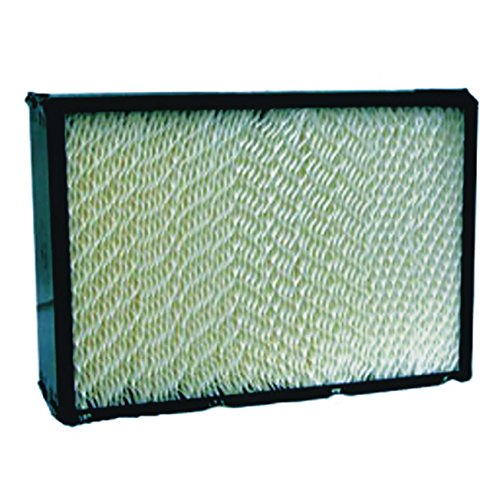
Original Bemis Waterwick console humidifier filters.
Why Evaporative Humidifiers Need a Filter
Evaporative humidifiers need a filter to operate effectively because they depend on a fan pulling air through a wet wick or filter. The filter absorbs water from the tank to enhance evaporation and traps minerals, reducing white dust that can settle on furniture. Without it, the humidifier loses that absorbent surface, disrupting the self-regulating evaporation process. Additionally, a dirty humidifier filter can visibly show signs of clogging, such as discoloration or crusty deposits, which indicate reduced performance. For apartment use, choosing a model with a high-quality wick filter helps prevent mineral buildup and maintain consistent humidity levels. For example, some smart thermostats can help automate humidity control by integrating with premium ecobee models that optimize indoor air quality.
Over time, mineral buildup from tap water, mainly calcium and magnesium, can clog the system, decreasing performance and making filter maintenance crucial. The filter also contains antimicrobial treatments that prevent bacteria growth, helping to keep the air clean. Regularly replacing the filter every 1 to 3 months prevents blockages and ensures the humidifier runs efficiently, ultimately protecting against costly repairs caused by clogged components.

Contains Four (4) MD1-0034 Evaporative Humidifier Replacement Wicks

GENTLE FAN SOUND, ADJUSTABLE COMFORT: A soft, steady fan sound provides a subtle white-noise backdrop for your bedtime routine. Choose from 3 speed settings, with the lowest setting offering the quietest operation
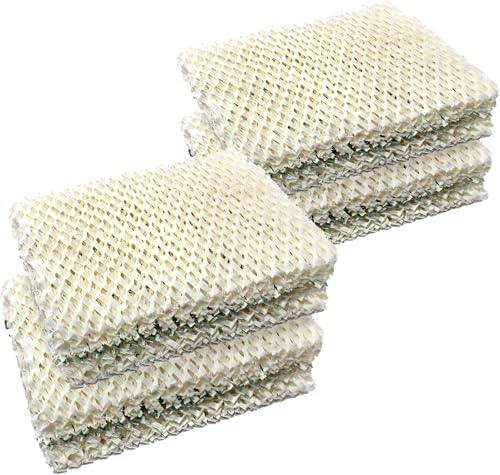
HQRP® 4-pack Wick Humidifier Filters Replacement for Essick Air HDC12, Kenmore 32-14911 / 14911; Compatible with Essick Air EA1407 / HD1409 Evaporative Humidifiers;
What Happens to Air Quality When You Run Filter-Free?
Running a filter-free humidifier can significantly degrade air quality. Without a filter, bacteria and mold are more likely to grow in the standing water, especially if the water isn’t changed daily. These microorganisms can become airborne and circulate through your room, irritating your respiratory system. This is particularly problematic if you have asthma or allergies, as it can worsen symptoms. Choosing a model with a high-quality filter can help ensure cool comfort and better indoor air quality, similar to how the top window air conditioners rely on filtration to maintain performance. To minimize these risks, always use distilled water to prevent mineral buildup and bacterial growth, and clean your humidifier thoroughly every day to keep air quality safe for your lungs.
Best Water to Prevent White Dust in Filter-Free Models
The best water to prevent white dust in filter-free humidifiers is distilled water. It’s the purest option because distillation removes all dissolved minerals, which stops mineral buildup and keeps your output clean. Demineralized water also works well, especially for ultrasonic models, since its lower mineral content prevents residue from dispersing into the air.
If distilled water isn’t available, the next best choice is purified bottled water, but always check the label for low mineral content. Reverse osmosis water from a home system is another good option. Filtered water can work, but it’s less reliable because the purity varies depending on the filter. Avoid using tap water, mineral-rich bottled water, or untreated well water entirely, as they will lead to white dust and require frequent cleaning. Prioritizing water with low mineral content is key to maintaining a clean and dust-free humidifier output.

One gallon of Distilled Water

smartwater is h2o crafted through a vapor distillation process inspired by the clouds, for a taste that is always crisp and pure
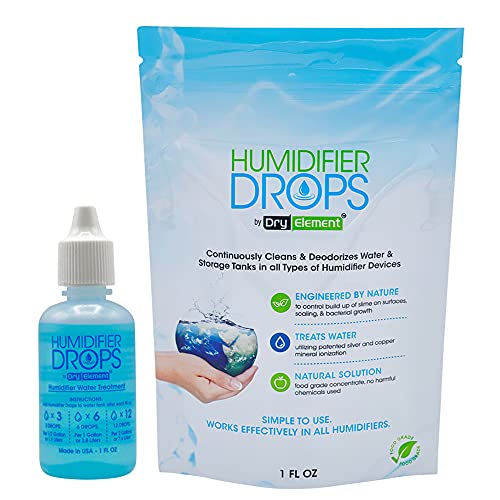
THE ORIGINAL FORMULA: We are the first and the only true authentic humidifier treatment solution on the market. We thank our customers for their trust and support
How to Maintain a Filter-Free Humidifier
Maintaining a filter-free humidifier requires consistent upkeep to keep it clean and functioning safely. Since your unit lacks filters that trap minerals, your diligence is your best defense against mineral buildup and white dust. After each use, make it a habit to empty the tank, wipe all surfaces dry, and refill with fresh water. Never add more water to an existing tank with old water still inside, as this can encourage mold and bacteria growth. Always unplug the unit before cleaning to ensure safety.
For routine maintenance, clean portable units every third day, especially if used frequently. Ultrasonic models without filters should be cleaned weekly to prevent mineral deposits from forming. Use white vinegar to descale the water tank and internal components, soaking stubborn mineral deposits until they loosen. Rinse thoroughly to remove any vinegar residue. For disinfecting the interior, apply 3% hydrogen peroxide and rinse several times to eliminate harmful chemicals. Be sure to dry all parts completely before storing the unit to prevent mold growth. To further disinfect, you can also mix 1 teaspoon of bleach with a gallon of water and soak the components for 20 minutes, then rinse thoroughly. Regularly inspect for cracks or leaks, and avoid exceeding 50% humidity to keep air quality optimal. Discontinue use if you notice breathing difficulties or unusual odors.
Step-by-Step: How to Safely Switch to Filter-Free Mode
Switching to filter-free mode is straightforward, but safety depends on proper maintenance. Use distilled or demineralized water instead of untreated tap water to prevent mineral buildup within the unit. Maintain indoor humidity levels between 30% and 50% with a hygrometer to avoid excess moisture or dryness, which can affect unit performance. Place the device away from walls and electronics to ensure good airflow and prevent overheating or interference. As an alternative to buying commercial products, you can try a DIY reed diffuser approach for scent diffusion, though it focuses on fragrance rather than humidity control. For those seeking cough relief, a humidifier can help soothe irritated airways by adding moisture to the air. To further optimize your setup, consider consulting expert insights from a smart thermostat guide for balancing humidity alongside temperature control.
After each use, empty any remaining water to prevent stagnation and bacterial growth. Perform a weekly cleaning with a vinegar rinse—fill the tank with a mixture of one part vinegar to three parts water, then run the unit briefly before rinsing thoroughly. Regularly inspect the unit for mineral deposits or deposits indicating buildup. Keeping a close eye on these signs helps ensure safe operation and extends the lifespan of your device.

Distilled Water When You Need It: Pure Life’s Distilled Water helps prevent mineral buildup, making it ideal for multiple uses, including in household appliances that require distilled water to run at peak efficiency. One 1-gallon jug.

Tailored replacement pack: Includes two premium humidifier water filters built to fit and function perfectly with Honeywell models HAC-504, HAC-504AW, and HAC-504V1

COMPLETELY REIMAGINED HUMIDIFIER THAT PROMOTES HEALTHY SKIN AND ALLEVIATES SYMPTOMS OF COLD AND FLU: Canopy Bedside Humidifier is the perfect 2.5L capacity humidifier for your bedroom, living room, office space and more! Canopy Humidifier produces clean moisture via filter hydrated air that hydrates rooms up to 500 square feet.