Are Essential Oil Diffusers Safe?
Are you wondering if using essential oil diffusers is safe? The short answer is that it depends on how you use them.
While they can fill your space with pleasant scents, inhaling certain oils and particles might cause health issues, especially for sensitive groups.
There’s more to consider to keep your indoor air safe and enjoyable.
Keep reading for the full details.
What Exactly Happens When You Inhale Essential Oil Vapors?
When you inhale essential oil vapors, odor molecules bind to receptors in your olfactory membrane, sending signals through your brain’s chemosensory pathway and immediately activating your limbic system—your emotion and memory center. This quick sensory response influences your feelings and memories in seconds. Along with this, vapors enter your bloodstream through your lungs, meaning you absorb these chemical compounds beyond just smelling them. While this absorption can have therapeutic effects, highly concentrated oils or heated vapors can irritate your respiratory tract. You might experience coughing, throat irritation, or wheezing as a result. Heating oils into an aerosol changes their chemical makeup, producing volatile organic compounds that can inflame your lungs. Prolonged inhalation or exposure to strong vapors can sometimes lead to bronchoconstriction, narrowing your airways and making breathing more difficult. Similar to how an air purifier works by filtering airborne particles, your lungs act as a natural filter for these vapors, but unlike a purifier’s HEPA filter that traps pollutants, inhaling oils forces your respiratory system to absorb chemical compounds directly. Selecting a model with a quiet compressor can help reduce background noise while operating such devices. To manage exposure precisely, you might consider building a DIY smart thermostat to control the runtime and vapor output of your diffuser. So, while inhaling essential oil vapors feels immediate and often pleasant, the chemical impacts on your lungs and breathing should not be overlooked, as they can pose health risks.
Are You in a High-Risk Group for Diffuser Side Effects?
If you have asthma or COPD, you’re clearly in a high-risk group for diffuser side effects. Strong essential oil aromas can trigger bronchoconstriction, which may cause coughing, throat irritation, or shortness of breath. Children and infants are also vulnerable—their smaller airways mean that diffusing oils like peppermint can lead to agitation or difficulty breathing, especially in kids under 30 months. Pregnant or breastfeeding individuals should exercise particular caution, as certain oils like rosemary can potentially stimulate contractions. If you suffer from allergies or eczema, inhaling vapors might worsen symptoms, causing irritation, itching, or hives. Pets are also at risk; cats and birds can develop liver toxicity from specific oils. To reduce these risks, maintain your diffuser regularly by cleaning it often to prevent bacterial buildup. Choose your essential oils carefully, avoiding potent or unfamiliar options without professional guidance.
Which Essential Oils Are Toughest on Your Lungs?
Cinnamon, clove, oregano, and thyme oils are the toughest on your lungs because they are highly concentrated and release volatile organic compounds (VOCs) that can directly irritate your respiratory tract. These oils often contain strong chemicals that can cause coughing, wheezing, and shortness of breath, especially in sensitive individuals. For those using casement windows, selecting a top-rated air conditioner can help ventilate the room and reduce the concentration of these airborne irritants. Unlike candles, reed diffusers do not require an open flame or heat, meaning they release VOCs continuously without combustion byproducts.
Peppermint and eucalyptus oils also present risks, particularly if you have respiratory sensitivities. Peppermint can trigger asthma symptoms, while eucalyptus may irritate already damaged lungs despite being marketed for congestion relief. Menthol, a common component in these oils, can mask worsening breathing difficulties by creating a false sense of easier airflow.
If you suffer from essential oil allergies or respiratory conditions, it’s best to avoid diffusing these potent oils for extended periods. Strong odors from these oils can cause bronchoconstriction, making breathing more difficult. To protect your lungs, limit use to brief intervals in well-ventilated spaces and be mindful of your body’s reactions to these oils. Instead, consider using a humidifier for throat mucus relief to add moisture to the air without releasing irritating essential oils.

For your convenience, a Type-C cable is stored inside the water tank. Please note that a power adapter is not included. Use a standard 5V/≥1A (or higher) USB power adapter to ensure proper performance. Always place the unit on a hard, flat, stable surface, such as a tabletop or countertop. Do not place any objects underneath the unit, as they may block the air intake vents.

NOTE: The charging cord is placed inside the water tank.
How Diffusers Worsen Your Indoor Air Quality
Indoor air quality can worsen significantly due to diffuser use because they release volatile organic compounds (VOCs) into the air, often reaching thousands of parts per billion. These VOCs don’t simply dissipate—they contribute to increased indoor pollution levels. Instead of freshening the air, diffusers add tiny particles that escape your air purifier’s capture efforts. Ultrasonic diffusers, in particular, disperse oil droplets directly into your breathing zone, creating nanosized particles that can penetrate deep into your lungs. Moreover, the terpenes in essential oils can react with oxidants present inside your home, forming secondary pollutants like formaldehyde. This chemical process can continue hours after you turn off the diffuser, prolonging air quality issues. Rather than purifying your space, you may be generating a persistent haze of fine particulates and reactive compounds. In small, inadequately ventilated rooms, these emissions tend to accumulate, making the diffuser a source of continuous indoor contamination rather than a scenting device. By comparison, a USB fan can improve air circulation without introducing such pollutants. To maintain a healthier home, you should monitor your indoor air quality and consider alternatives like opening windows for natural ventilation. Similarly, using a dehumidifier for silverfish can help control moisture that attracts pests without adding harmful particles to the air.

WHY CHOOSE AHAM VERIFIDE AIR PURIFIERS: AHAM (Association of Home Appliance Manufacturers) is an ANSI-accredited organization that sets strict standards for appliance performance. Air purifiers with the AHAM VERIFIDE seal have been independently tested for air cleaning performance and energy efficiency. When you choose an AHAM certified air purifier, you're choosing a product trusted for reliable and effective indoor air quality improvement
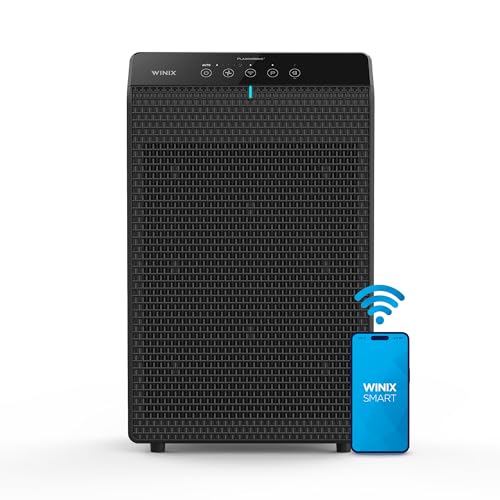
𝐀𝐇𝐀𝐌 𝐕𝐞𝐫𝐢𝐟𝐢𝐝𝐞 𝐚𝐭 𝟑92 𝐬𝐪 𝐟𝐭.: Also cleans rooms up to 1,882 sq ft in 1 hour (941 sq ft in 30 minutes, 627 sq ft in 20 minutes, 470 sq ft in 15 minutes)
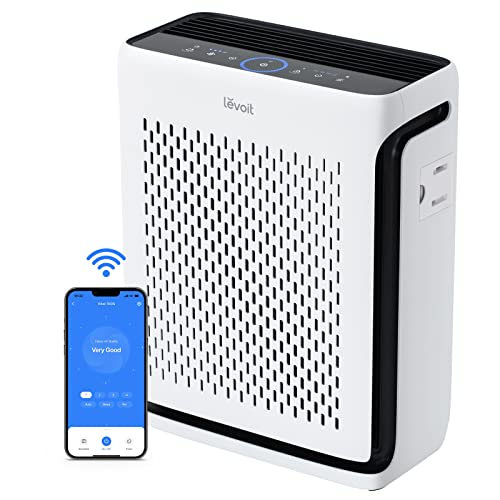
𝐖𝐇𝐘 𝐂𝐇𝐎𝐎𝐒𝐄 𝐀𝐇𝐀𝐌 𝐕𝐄𝐑𝐈𝐅𝐈𝐃𝐄 𝐀𝐈𝐑 𝐏𝐔𝐑𝐈𝐅𝐈𝐄𝐑𝐒: AHAM (Association of Home Appliance Manufacturers) is an ANSI-accredited organization that sets strict standards for appliance performance. Air purifiers with the AHAM VERIFIDE seal have been independently tested for air cleaning performance and energy efficiency. When you choose an AHAM certified air purifier, you're choosing a product trusted for reliable and effective indoor air quality improvement
5 Practical Safety Rules for Using an Essential Oil Diffuser
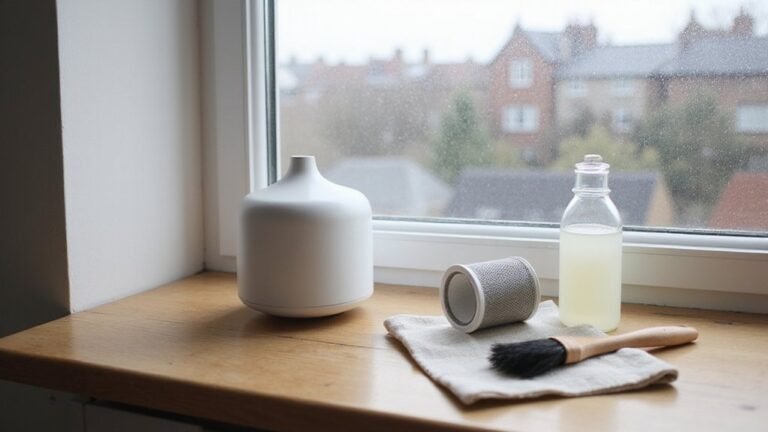
To use an essential oil diffuser safely, follow these practical rules. Run your diffuser intermittently by operating it for 30 to 60 minutes at a time, then turning it off. Avoid leaving it on overnight to prevent vapor from accumulating in the room. Keep the area well ventilated by opening a window or using a fan to disperse the scent and freshen the air. Regular maintenance is essential: clean your diffuser according to the manufacturer’s instructions, inspect cords for damage, and opt for models with auto-shutoff features to avoid overheating. To prevent bacteria and mold growth, follow the same cleaning methods used for ultrasonic humidifiers, including a white vinegar soak to break down mineral scale. Consider placing your diffuser on a stable, waterproof surface to protect furniture from moisture damage. When adding essential oils, stick to 3 to 6 drops per 100-milliliter of water—using more doesn’t improve scent strength and can be overwhelming or unsafe. For households with children under six or pets, reduce usage or keep the diffuser out of reach, and stop use if anyone experiences coughing, irritation, or discomfort. These rules help you enjoy the benefits of diffusing while minimizing health risks.
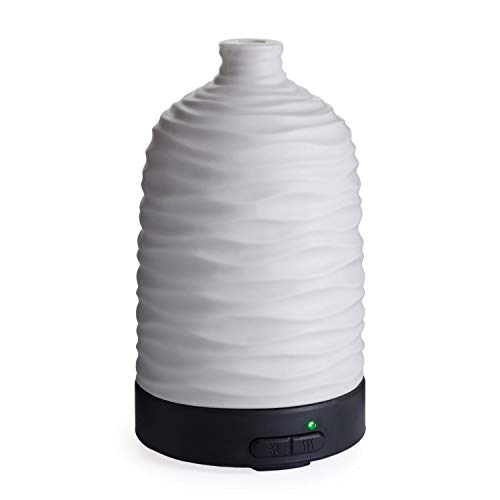
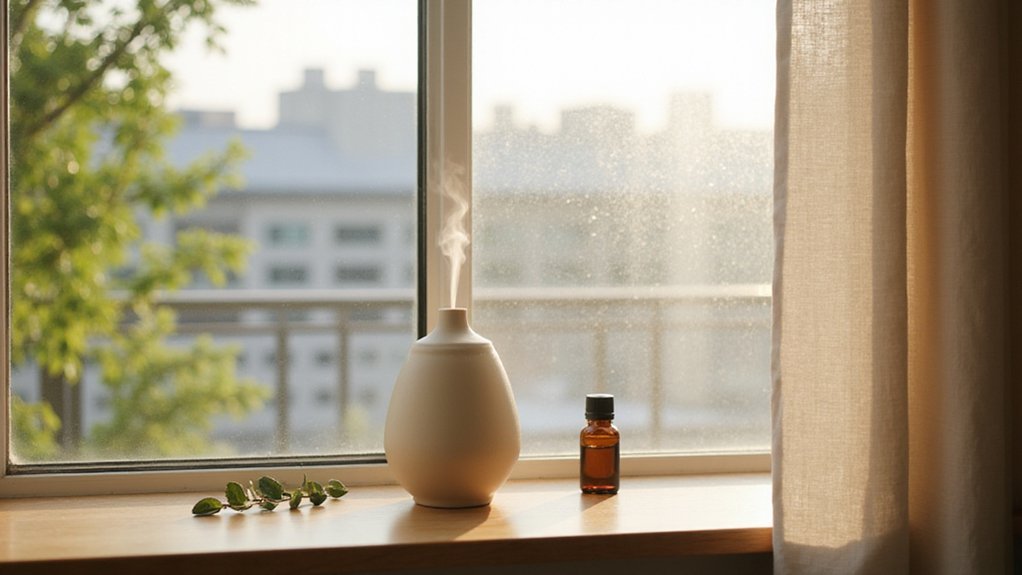
DESIGN: A modern feel with gentle waves covering the white matte ceramic sleeve.

Compact and Versatile - Our small oil diffuser is designed to be compact and versatile, making it suitable for various spaces and lifestyles. Aromatherapy diffusers sleek and portable design allows you to easily move it from room to room, enabling you to enjoy aromatherapy wherever you go. Whether you want to create a soothing ambiance in your bedroom, living room, office, or even during travel, an aroma diffuser is a nice choice.

Aromatherapy and Salt Therapy - Our 2-in-1 Himalayan salt lamp and essential oil diffuser combines the therapeutic properties of a pure Himalayan salt lamp with the soothing aromatherapy of an essential oil diffuser. You can use both simultaneously or separately, it makes your place more pleasing and cozy through its gentle glow and aesthetic fragrance.
What Science Knows About Diffuser Health Risks: and What It Doesn’t
There is no universal safe oil list because safety varies significantly between different oils and individual sensitivities. Current research, according to ANSES, is not enough to draw firm conclusions about the safety of diffusing specific essential oils at the population level. This means there is uncertainty about the long-term health effects and safe exposure thresholds for your particular household. As a result, the most practical approach is to use oils cautiously and ensure good ventilation during use to minimize potential risks. For those with respiratory concerns, combining cautious use with a HEPA air purifier can help filter airborne particles and improve indoor air quality. Similarly, using a dehumidifier reduces moisture that attracts pests like centipedes, improving overall indoor air quality. Managing humidity also keeps dust mite populations low, as dust mite control relies on maintaining dry indoor conditions.