How to Use an Essential Oil Diffuser
Ever wondered how to get the best results from your essential oil diffuser? Setting it up properly can make a real difference in how well your space smells and feels.
By following some simple steps like choosing the right spot, water, and oils, you can enjoy a calming aroma without any hassle.
Keep reading to learn how to use your diffuser with ease.
What to Do Before You Fill Your Diffuser
Unplug your diffuser before filling it to prevent electrical shocks. Ensure it is clean, dry, and free of old water for safe operation. Check the manufacturer’s instructions for the maximum reservoir capacity and fill line to avoid overfilling. Place the diffuser on a flat, stable surface near a wall outlet, at least two feet off the ground to prevent tipping. Use filtered or distilled water at room temperature, avoiding hard tap water to reduce mineral buildup. Empty any remaining water, wipe the reservoir dry, and verify that the cover seals tightly before adding new water. Keeping your diffuser on a stable surface is similar to how a window air conditioner must be securely mounted to prevent tipping. For best performance, always follow the recommended diffuser run time to avoid overheating the unit. Keep your essential oils aside until you’ve confirmed the correct water level. A diffuser works by breaking essential oils into smaller molecules to fill a room with therapeutic aroma. Using distilled water also helps prevent the buildup of mineral deposits inside the unit, extending its lifespan.
How Many Drops of Essential Oil Does Your Diffuser Need?
You should use 3 to 5 drops of essential oil per 100 ml of water in your diffuser. This range provides a balanced aroma without overwhelming the space. For a 200 ml tank, start with 6 to 10 drops, and for 300 ml, 9 to 15 drops. Adjust the number of drops based on your preferred scent intensity. Begin with the minimum and add more gradually to avoid overpowering the room and to control the oil concentration precisely. Keep in mind that smaller rooms require fewer drops, while larger spaces can handle more. If you’re using a stronger essential oil, you can use fewer drops to achieve the desired effect. Always check your diffuser’s instructions, as some models have specific limits or recommendations. For mini diffusers, 1 to 2 drops are usually enough. Exceeding the suggested amount can lead to an overpowering aroma and may clog the diffuser. For best results, ensure your diffuser is designed as a cool mist humidifier that safely disperses oil without heat damage. A high-quality unit can also include a ceiling fan with light flush mount for added room comfort and convenience.

𝗟𝗔𝗥𝗚𝗘 𝟯𝗟 𝗪𝗔𝗧𝗘𝗥 𝗧𝗔𝗡𝗞: Still be bothered by congestion, coughing, or dry mouth when sleeping? With a 25W power rating, the impressive 3-liter tank provides 25 hours of moisture, helping you sleep comfortably for 3 nights with one single refill.

Compact and Versatile - Our small oil diffuser is designed to be compact and versatile, making it suitable for various spaces and lifestyles. Aromatherapy diffusers sleek and portable design allows you to easily move it from room to room, enabling you to enjoy aromatherapy wherever you go. Whether you want to create a soothing ambiance in your bedroom, living room, office, or even during travel, an aroma diffuser is a nice choice.

NOTE: The charging cord is placed inside the water tank.
Fill the Basin to the Max Line: Then Add Your Oil
Fill the basin only up to the Max Fill Line, which indicates your maximum water level. This line may be inside or outside the tank and can be marked with a ledge, arrow, or the word “MAX.” Staying below this level is essential for safety and optimal operation. Overfilling can suppress ultrasonic vibrations and prevent the diffuser from producing mist effectively. Check your specific model to locate the Max Fill Line, ensuring water levels remain noticeably below it to protect the unit and maintain steady mist output. For the Better Homes & Gardens diffuser, the max fill line is visible on the outside and corresponds with an internal ledge at approximately 250 milliliters. Keeping humidity low with a dehumidifier can help create a drier environment that deters centipedes from entering your home. For additional air quality benefits, consider pairing your diffuser with one of the best air purifiers for enhanced performance. Understanding the mechanics of airflow from a ceiling fan can help you position your diffuser for more even scent distribution throughout the room.
Add your essential oil after filling the water. Typically, 2 to 3 drops per 100 milliliters of water are sufficient. Do not pour oil directly into the water before filling; instead, add it once the basin is filled. Never exceed the Max Fill Line with oil or water, as overfilling won’t increase the scent but can hinder performance and cause oil waste. Proper water and oil levels optimize diffusion and prolong the lifespan of your diffuser.

For your convenience, a Type-C cable is stored inside the water tank. Please note that a power adapter is not included. Use a standard 5V/≥1A (or higher) USB power adapter to ensure proper performance. Always place the unit on a hard, flat, stable surface, such as a tabletop or countertop. Do not place any objects underneath the unit, as they may block the air intake vents.

Designed for Compatibility – Replacement bottle made to fit perfectly with LuxHydvat T20 aroma diffuser.

Floral Fruity Gourmand scent - main notes: Blackcurrant, Iris, Vanilla. A poetic and elegant aroma that brings a serene and comforting feeling with its harmonious blend of floral and sweet notes
How Long Should You Run an Essential Oil Diffuser?
Most experts recommend running your essential oil diffuser for 30 to 60 minutes at a time. This duration helps prevent overexposure and olfactory fatigue, while maximizing benefits. After each session, take a break of equal length—another 30 to 60 minutes—to allow your sense of smell to recover. Continuous diffusion isn’t necessary and can lead to diminished effects and potential safety concerns.
The ideal runtime varies depending on the strength of the oil and the size of your room. Strong oils like eucalyptus should be used for shorter periods, around 20 to 30 minutes, to avoid overwhelming your senses or causing irritation. Milder oils such as lemon can often be diffused for longer durations, especially if you run the diffuser at a lower output setting. For children or individuals with sensitivities, it’s safest to limit sessions to 15 to 30 minutes. Overnight use should be avoided; instead, set a timer for about 30 minutes before sleep to ensure a safe and pleasant experience. Once the room reaches saturation, longer sessions will not improve the scent or benefits and may become counterproductive. Fresh oils generally last up to two years in your diffuser when stored properly, but their aromatic potency fades over time.
Where to Place Your Diffuser for the Best Scent Throw
Place your diffuser on a stable, flat surface like a coffee table or low shelf, positioned centrally in the room. Your room layout matters—doors and windows can influence how the scent travels. For better diffusion, position it near, but not directly under, a ceiling fan or doorway to maximize airflow. Avoid placing it directly under an air conditioning vent, as this can push the scent downward instead of spreading evenly. Keep the diffuser about 2 to 3 feet off the ground on a waterproof surface, at least two feet away from walls. Also, steer clear of electronics and direct sunlight, which can interfere with the diffuser’s operation. Experiment with different placements until you find a spot where the scent reaches you evenly.

【Real Glass Reservoir Diffuser】The 200ml glass water tank aromatherapy diffuser is made of hand blown diamond-shaped pineapple pattern glass reservoir & cover by craftsmen with over 20 years of experience and white PLASTIC BASE. Compare with plastic reservoir diffuser, glass reservoir diffuser does not absorb essential oils to ensure the natural ingredient of essential oils remains optimal, which brings you a healthier aromatherapy experience. No-BPA Glass Reservoir Diffuser is healthy for you, great for our planet!

Relax your mood: Put yourself in a good mood with our essential oil diffuser. Creating a relaxing and comfortable environment that can properly alert the nerves and delight the mood.

[ROTATING 360 DISPLAY STAND] - A beautiful and convenient rotating display stand allows you to reach at once, use, store and display your essential oils neatly in one place without having to store them separately.
How Often Should You Clean Your Diffuser? (And With What?)
Cleaning your diffuser regularly is essential for optimal performance and safety. Wipe the reservoir dry after each use to prevent residue buildup. For maintenance, light cleaning once a week is sufficient if you use the diffuser daily, while heavier use or changing oils frequently may require cleaning after every three uses. Don’t forget to perform a comprehensive deep clean at least once a month, as many manuals recommend. Space heaters present similar electrical risks if not maintained properly, so always follow manufacturer guidelines for any appliance.
Use white vinegar mixed with water for routine cleaning. Run a short cycle with the mixture, then empty the reservoir and wipe it dry with a soft cloth or cotton swab to remove any remaining oil or deposits. For stubborn buildup or mold, run a cycle with rubbing alcohol diluted in water. Remove all parts, soak them in warm, soapy water using mild dish soap, and scrub gently to avoid damaging delicate components. Avoid abrasive cleaners that could scratch or degrade your diffuser materials.
Always empty standing water immediately after use and dry all parts thoroughly to prevent mold and residue. If you notice a drop in mist output or an oil film developing on the surface, it’s time for cleaning. Regular maintenance ensures your diffuser runs smoothly, prolongs its lifespan, and keeps your essential oils pure and effective.

Top selling essential oils set: We create our essential oils using rigorously tested ingredients. Top blends, make pampering a luxurious experience with our set of 6 10ml oils. Perfect for blending to make candle making scents, making DIY soap scents or a unique aromatherapy experience. Join 170,000+ customers who love our essential oils for diy crafts, aromatherapy and candle making!

Fresh Home Set (10mlx6): Experience the clean and freshening scents of our Fresh Home Essential Oil Set- Fresh Linen, Clean Home, Fresh Laundry, Crisp Breeze, Pure Soap and Lemon, each 10ml bottle delivers a clean, airy aroma that instantly freshens any space-perfect for summer or creating a clean, inviting home atmosphere

FRAGRANCE: Indulge in the scent of a perfect pumpkin pie, filled with sweet pumpkin, warm baking spices and topped with homemade whipped cream
Why Your Diffuser Stops Misting: And How to Fix It
To fix a diffuser that stops misting, start by checking for obstructions. Mineral deposits and residue from essential oils often clog the nozzle or ultrasonic plate, blocking spray. Clean these parts thoroughly using a cotton swab dipped in vinegar to dissolve buildup. For deeper maintenance, regularly wipe the fan blades and vents to prevent mold and dust accumulation. If cleaning doesn’t resolve the issue, examine your power source. Ensure the plug is fully inserted and the diffuser is plugged into a working outlet. Also, verify that the lid is securely closed; many models won’t operate otherwise. An uneven surface can tilt the diffuser, disrupting its function, so place it on a flat, stable surface for best results. Finally, avoid using cheap or thick oils, as they tend to leave more residue and quickly clog the mechanism. Addressing these common issues often restores the misting function within minutes.
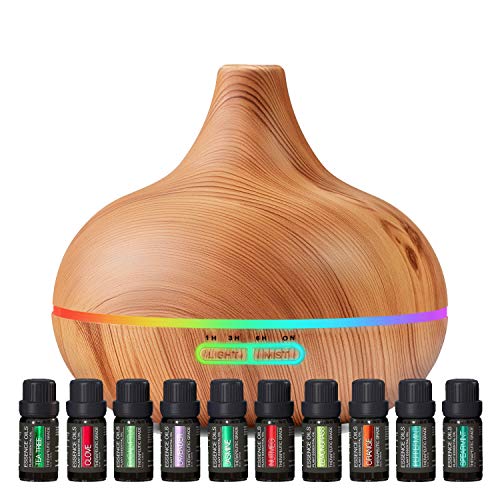
Complete Bundle – the Essence Diffuser Bundle includes an aromatherapy diffuser and 10 essential oils. Everything needed to get started immediately.

Unique Design:With classic wood grain finish, add drops of your favorite essential oil to give your room a fresh, clean scent.it will fill your space with lovely fragrance.as a decorative piece, perfect for your room,office, yoga room, hotel room etc.

Difusor to Improve Air Quality: The cool mist aroma diffuser adopted the ultrasonic technology to create a soft environment by adding essential oils.Use it to improve your home's atmosphere quality, cover the smell of pets or smoking, and protect your family from excessively dry season, dust, and more! It suits salon,bedroom,large room, living room, nursery, office, and so on.