Benefits of a Dehumidifier in Your Bedroom
If you often wake up feeling stuffy or sweat through your sheets, excess moisture in your bedroom might be the culprit. A dehumidifier can help by lowering humidity levels, making your space more comfortable and healthier.
The right device can reduce allergens, eliminate odors, and even save you money on cooling.
Keep reading to learn how dry air can transform your nights.
How Bedroom Humidity Wrecks Your Sleep Quality
High bedroom humidity directly sabotages your sleep quality. When the moisture level is too high, you feel warmer and stickier because sweat cannot evaporate effectively. This hampers your body’s natural cooling mechanism, making it harder to fall asleep and stay asleep. Excess humidity also worsens breathing comfort, especially if you experience congestion or airway issues. The stuffy, heavy feeling increases the likelihood of arousals during the night, reducing both REM and slow-wave sleep stages. Even when activity monitors show normal sleep patterns, you may still feel unrested due to these disruptions. Over time, persistent high humidity leads to more frequent awakenings and a decrease in overall sleep quality, leaving you feeling tired and groggy during the day. Using a window air conditioner can help lower humidity along with temperature to improve comfort. Choosing a bedroom dehumidifier designed specifically for your room size can provide more consistent moisture control year-round. A top-rated humidifier for a bedroom can restore comfort and air quality when the air becomes too dry in colder months.
Relieve Allergies and Asthma by Reducing Humidity
Lowering your bedroom humidity to around 45% to 50% can significantly help reduce allergy and asthma triggers. Maintaining this level decreases dust mites and mold, which thrive in higher humidity. As a result, dust mite populations in your bedding and carpets drop, and mold growth is inhibited. Research indicates that lowering humidity from 60% to 45% can reduce dust mite allergens by up to 90% within three months.
This humidity level also makes the air feel lighter and easier to breathe. Excess moisture can make breathing feel labored, especially for those with asthma. Reducing humidity alleviates that heavy sensation and lessens airborne mold spores. Overall, controlling the moisture in your bedroom helps decrease allergen presence—dust mites, mold, and other irritants—supporting better asthma management and making your breathing smoother. Many modern dehumidifiers can be integrated with smart thermostat systems to automatically maintain this optimal humidity range.

Upgrade High Efficient Dehumidification: Dehumidifier utilize semi conductor condensation technology, ensuring quiet operation while effectively extracting moisture from the air. This advanced feature helps keep humidity levels below 45%
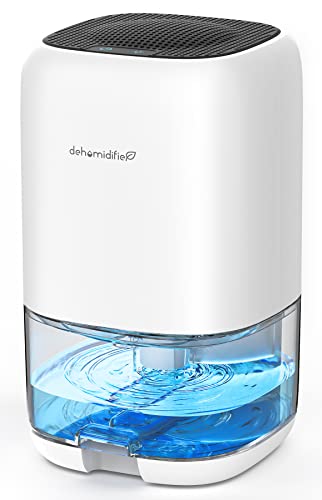
High Efficient Dehumidifiers for Home: Still annoyed about the muggy weather? Just Take it easy! have a try at TABYIK 35OZ Peltier dehumidifier, in a closed small room with humid environment of 86°F and 80% RH, it can collect a max of 16oz(450ml) of water in 24 hours, and with very low energy consumption (no more than 1-kilowatt hour a day).

HIGH EFFICIENT DEHUMIDIFIERS FOR HOME:Say goodbye to excess moisture with our powerful home dehumidifiers. Utilizing cutting-edge dual semiconductor technology, they remove up to 40 oz of water daily (tested at 86°F, 80% RH) to protect your space from dampness and odors. With a large 95 oz reservoir, this unit requires less maintenance and continuous operation. Whether it’s a humid basement, a stuffy bathroom, a bedroom, closet, or your RV, this compact powerhouse keeps every corner dry and fresh
Stop Mold, Mildew, and Musty Bedroom Smells
Lowering your bedroom humidity to between 30% and 50% prevents mold, mildew, and musty odors from developing. Maintaining humidity within this range makes it difficult for mold spores to settle and grow on walls, ceilings, and furniture. Using a dehumidifier can help control moisture levels, but remember it won’t eliminate existing mold—only stop new growth. Reducing moisture also discourages mildew on fabrics, wood, and carpets, preventing musty smells from settling into bedding and upholstery. Addressing humidity early helps keep odors at bay and reduces the need for deep cleaning. However, it’s important to first fix any leaks or improve ventilation, as these issues can undermine humidity control efforts. Maintaining low humidity also discourages centipedes, as they thrive in damp conditions and dry environments are unattractive to them. Keeping your space comfortable also means considering airflow as a complement to moisture control, since proper circulation helps dehumidifiers work more efficiently. In addition, an air purifier can capture airborne particles like mold spores and dust that a dehumidifier alone cannot remove.
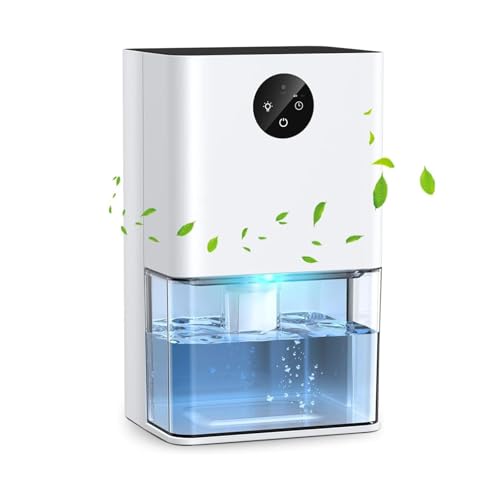
High Efficient Dehumidification for Home: The DY501 dehumidifier removes excess moisture effectively in closed small rooms with humid environments of 86F and 80% RH, collecting a maximum of 400ml of water in 24 hours with very low energy consumption (no more than 1-kilowatt hour a day)

✔ EASY TO USE: This mini dehumidifier is spill and mess free. Just hang and go! Non-toxic, child and pet safe! Your small rooms will be dry and odor free. Works for areas up to 333 cubic feet.
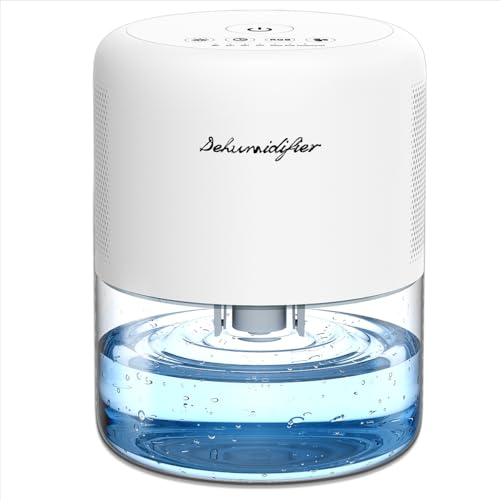
[Gentle Control, Low Energy] Unlike high-power dehumidifiers that focus on rapid moisture reduction, this unit features a gradual dehumidification approach. With its relatively gentle humidity adjustment rate, it helps reduce potential discomfort caused by significant humidity changes in a short period, making it ideal for those who prioritize stable indoor humidity. Compared with some high-power devices, it consumes less energy and produces less noise from frequent start-stops, making it a practical solution for home humidity management.
Why Drier Air Makes Your Bedroom Feel Cooler
Drier air can make your bedroom feel cooler because it allows sweat to evaporate more quickly from your skin. Faster evaporation helps your body lose heat more efficiently, making you feel less sticky or clammy. This perception of coolness isn’t just mental; at the same temperature, a room with 20% humidity feels noticeably cooler than one at 40% humidity. Lower humidity levels also eliminate that stuffy, oppressive feeling, so the air feels fresher and more breathable. When you keep the relative humidity between 30% and 50%, using a dehumidifier can help your bedroom seem cooler and more comfortable without adjusting the thermostat. A dehumidifier extracts moisture from the air by drawing it over cold coils, condensing water vapor into a collection tank. Bedding and curtains are less damp, and your skin can release heat more effectively, enhancing overall comfort. Preventing mold buildup is another advantage of keeping humidity low, as it reduces the damp conditions where mold thrives in your bedroom. However, for those concerned about overall air quality, comparing air dehumidifiers and purifiers can help determine which device best suits your bedroom’s needs.
Lower Your Air Conditioning Costs With a Dehumidifier
Using a dehumidifier can significantly lower your air conditioning costs. When it removes excess moisture from your bedroom air, you can set your thermostat higher—around 72°F or even higher—and still stay comfortable. This means your AC doesn’t need to run as often or as long, which directly cuts down on your electric bill. Instead of setting your AC to a low temperature like 68°F, a higher setting reduces the compressor’s run time, saving energy. For optimal energy savings, pairing your dehumidifier with a smart thermostat can automatically adjust temperature and humidity levels.
A dehumidifier consumes only about 300 to 700 watts, while an air conditioner typically uses between 1,000 and 3,500 watts. This difference means you pay far less per hour for dehumidification. In humid bedrooms where the AC struggles to lower humidity below 55 percent, combining a dehumidifier with your AC helps you save money without sacrificing comfort. It allows your AC to focus on temperature control while the dehumidifier efficiently manages humidity levels. For optimal comfort, you should pair your dehumidifier with one of the top air purifiers to ensure both clean and dry air in your bedroom. Many models also include built-in hygrometers to automatically maintain ideal humidity.

Quiet & High-Efficiency Dehumidifier: Featuring next-generation semiconductor cooling technology, this quiet dehumidifier delivers efficient moisture removal while running at ultra-low noise (≤40dB). Stable humidity levels are maintained, making your home environment more comfortable and pleasantly dry.

Steam Technology for Effective Humidification:Unlike traditional ultrasonic models, this unit uses steam humidifier action that produces a warm, gentle mist for better evaporation and distribution. As a 2 in 1 dehumidifier and humidifier, it addresses both dry and overly humid conditions efficiently, The dehumidifier with drain hose option allows for continuous drainage when needed. Whether used as a mini dehumidifier for bathroom or a humidifier for bedroom, it delivers consistent performance.

【High Efficient Dehumidification & Digital Controls】Equipped with dual semiconductor design, Niuteri dehumidifier removes up to 40 OZ of moisture. With the power of 90W, enabled dehumidifier offer convenience and powerful performance makeing humidity from 80% to 40%. The dehumidifiers for home features advanced smart sensors that you can easy to set the ideal operation mode in digital controls
Keep Pests and Dust Mites Out With Lower Humidity
Lowering your bedroom humidity to the 30% to 50% range significantly reduces the survival of dust mites and deters pests like cockroaches and silverfish. Dust mites cannot reproduce below 65% humidity, so maintaining levels within this range helps shrink their populations over time. Removing excess moisture also makes the environment less attractive to spiders, ants, and centipedes. Using a dehumidifier helps dry out hidden corners and crevices where these pests often hide. As a result, you’ll breathe in fewer allergens from dust mites and experience less overall pest activity. Keeping the humidity consistently between 30% and 50% creates a cleaner, safer bedroom without relying on chemicals.

EASY TO USE & HIGHLY EFFECTIVE: Spraying Hygea Natural Dust Mite Spray is simple and effective. Just shake well and spray the mist on mattresses, box springs, carpets, upholstery, curtains, stuffed animals, and other surfaces where dust mites thrive. With immediate results, this powerful spray eliminates dust mites on contact, offering quick relief and long-lasting protection.

Powerful Natural Mite Protection: Tired of spraying pesticides where your family sleeps? Our mite repellent pouches harness the power of pure essential oils—including Cedarwood, Clove, Lemongrass, and Peppermint oil—to naturally create an environment where mites don't want to settle. It delivers effective, long-lasting defense against dust mites and unwanted pests without harsh chemicals.

WHY IT WORKS| Dust mites are one of the most common allergy and asthma triggers. These invisible bugs can quickly create an unpleasant environment for anyone sensitive to their allergens. DustmiteX kills the dust mite and is the answer for safe and effective removal.
Protect Your Mattress, Furniture, and Walls From Moisture Damage
Managing bedroom humidity below 50 percent is essential for protecting your mattress from mold and odors. When relative humidity stays under this level, trapped moisture cannot foster mold growth or create a musty smell, keeping your mattress hygienic and fresh longer. Additionally, a drier environment prevents dampness from settling into pillows and bedding, which helps preserve their shape and comfort over time. Understanding how a humidifier works helps illustrate why dehumidifiers are equally important for moisture control. For severe water damage, selecting the right restoration dehumidifier can be critical to drying out materials quickly.
High humidity can warp wooden furniture and cause metal components to corrode, increasing repair costs. Using a dehumidifier keeps the air dry, maintaining the integrity of furniture finishes and preventing costly damage. It also reduces condensation on walls and windows, combating mold spots and mildew on painted surfaces. Unlike an air cleaner, which only filters particles without removing moisture, a dehumidifier directly targets the root cause of dampness to stop structural issues before they start.
Furthermore, controlling humidity levels between 30 and 50 percent protects curtains, textiles, and floors from moisture damage. Maintaining this range extends the lifespan of your bedroom furnishings and lowers the need for repairs or replacements later on.

EFFECTIVE DEHUMIDIFICATION: The CLEVAST dehumidifier bags feature spherical calcium chloride particles that can attract and absorb excess moisture quickly and efficiently. Moisture absorbers are designed with a premium one-way moisture-permeable paper that will securely lock the moisture inside.(WHEN the temperature drops sharply or the humidity is low, crystals may appear inside the bag, and no water droplets at the bottom. This is normal, please be patient for the product to work)

High Efficient Dehumidifiers for Home: This compact 44oz dehumidifier efficiently removes excess moisture in rooms with 86°F and 80% RH, collecting up to 11.8oz (349ml) of water in 24 hours. It maintains an ideal humidity level of 45%-55% while operating at ultra-low energy consumption (24W/hour, 576W/day). Perfect for bedrooms, bathrooms, and small spaces.

Effective against moisture: this BonAura dehumidifier is an effective moisture killer and helps you optimally with mould stains, musty odours and condensation on windows.