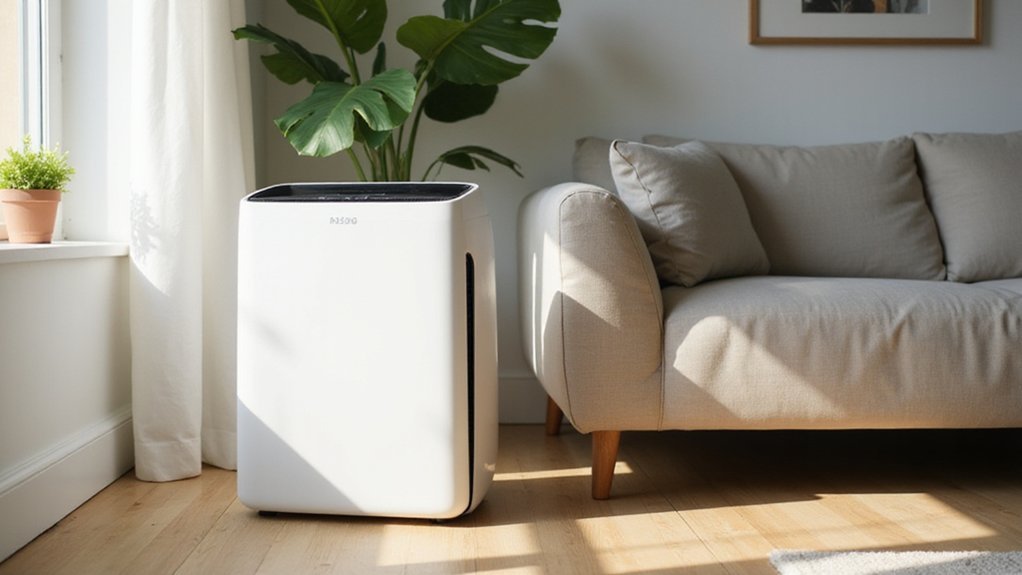
Dehumidifier vs. Humidifier: Which Do You Need?
Are you unsure whether your home needs a dehumidifier or a humidifier? The key is understanding your indoor humidity levels.
If your space feels damp or smells musty, a dehumidifier can help.
If your skin or sinuses feel dry, especially in winter, a humidifier might be just what you need.
Keep reading to learn how to choose the right device for your needs.
Dehumidifier vs. Humidifier: What’s the Actual Difference?
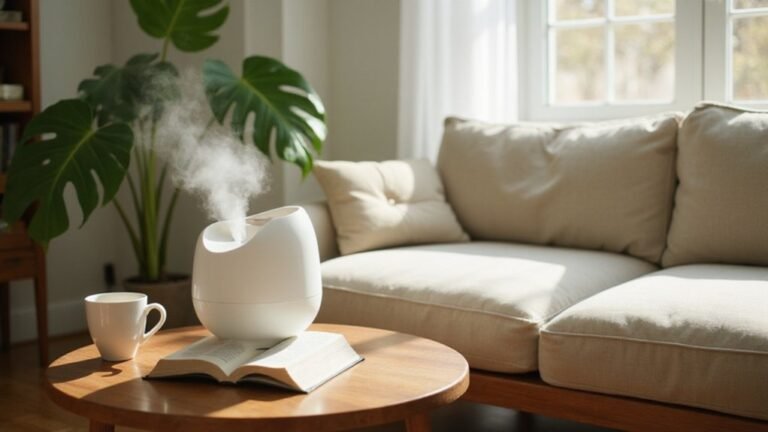
Humidifiers and dehumidifiers perform opposite functions: humidifiers add moisture to dry air, while dehumidifiers remove excess moisture from damp air. You should use a humidifier during winter when indoor air becomes dry, which can help alleviate dry skin and sinus irritation. Conversely, a dehumidifier is best in summer to decrease humidity levels, reducing risks like mold growth and musty odors. Both devices improve air quality, but their energy efficiency differs. Humidifiers can slightly warm a room as they add moisture, while dehumidifiers typically cool air to condense moisture and then rewarm it, which can increase energy consumption. For those with specific cooling needs, window air conditioners are also a top pick for lowering temperature alongside humidity control. Using the wrong device for your environment wastes energy—running a humidifier in a humid space can worsen humidity levels, and using a dehumidifier in a dry space can elevate your electric bill without improving comfort. Before choosing, assess your environment to determine which device suits your needs best. Maintaining humidity between 40% and 50% reduces allergy and asthma symptoms.
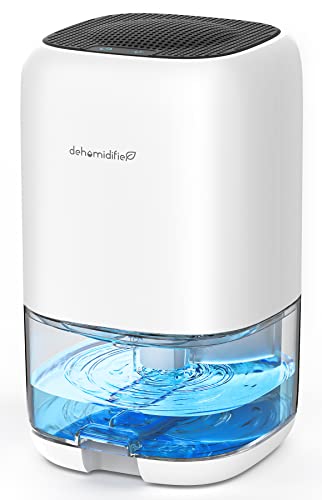
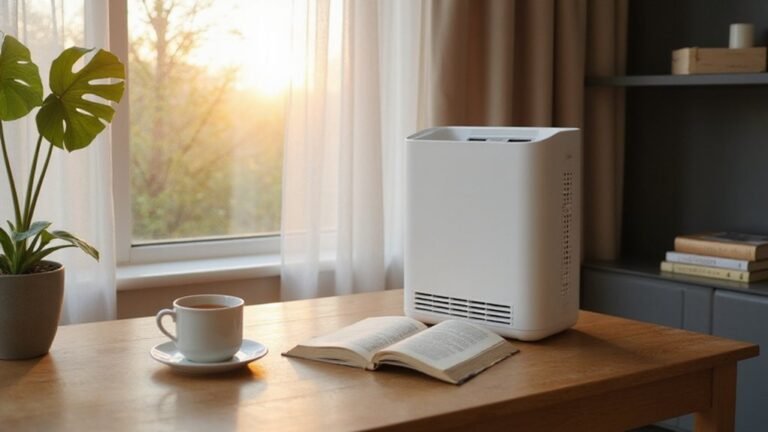
High Efficient Dehumidifiers for Home: Still annoyed about the muggy weather? Just Take it easy! have a try at TABYIK 35OZ Peltier dehumidifier, in a closed small room with humid environment of 86°F and 80% RH, it can collect a max of 16oz(450ml) of water in 24 hours, and with very low energy consumption (no more than 1-kilowatt hour a day).

Quiet & High-Efficiency Dehumidifier: Featuring next-generation semiconductor cooling technology, this quiet dehumidifier delivers efficient moisture removal while running at ultra-low noise (≤40dB). Stable humidity levels are maintained, making your home environment more comfortable and pleasantly dry.

🍃Advanced Small Dehumidifier for Home: Designed for lasting home use, our bathroom dehumidifier works gently and steadily to maintain a balanced humidity level. The large 44 OZ (1.3L) water tank minimizes emptying frequency. Suitable for dorm room, camper, apartment, room, office and living room. No more dampness-just fresh, comfortable air everywhere
How to Tell If You Need a Humidifier or Dehumidifier (Use a Hygrometer)?
Using a hygrometer is the most reliable way to determine whether you need a humidifier or dehumidifier. Aim for a humidity level between 30% and 50%. If your hygrometer displays a reading below 30%, your air is too dry and a humidifier can help add moisture. Conversely, if it’s above 50%, your air is too moist, and a dehumidifier will help reduce excess humidity. Having a hygrometer helps you avoid unnecessary expenses on equipment by knowing your real needs. Basements and bathrooms tend to have higher humidity levels, so checking these areas regularly is especially important. Measuring with a hygrometer removes guesswork and ensures you choose the right device to improve your indoor air quality. For spaces that also require better air circulation, a ceiling fan with light can complement your humidity control efforts.

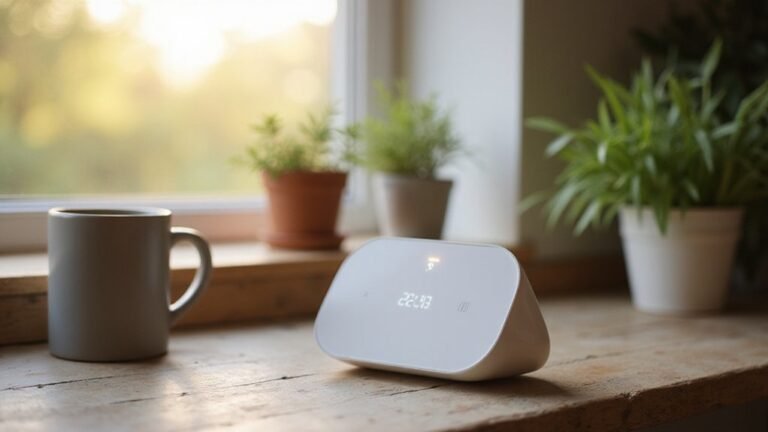
Face Icon Comfort Indicator: Humidity temperature gauge features face icons to indicate DRY/COMFORT/WET air conditions, quickly informs you how to adjust your humidifier or dehumidifier to achieve optimal comfort.

Real-Time Precision Monitoring with High Accuracy Sensors: Built with high-precision sensors, this indoor thermometer hygrometer delivers real-time temperature and humidity monitoring with reliable accuracy. It features a wide measuring range from -58°F to 158°F (±1.8°F accuracy) and 10%–99% RH humidity range (±5% RH accuracy). Providing stable data for daily home monitoring.

Smart Features: The Govee Wireless Thermometer Hygrometer supports all basic functions as well as smart functions such as remote monitoring and temp humidity graphs. Our humidity meters are reliable and easy to use for homes, greenhouses and more.(Only supports 164ft Bluetooth connection)
What’s the Ideal Humidity Range for Choosing a Humidifier or Dehumidifier?
The ideal indoor humidity range for choosing a humidifier or dehumidifier is between 30% and 50% relative humidity (RH). Maintaining this level helps prevent common indoor problems: below 30% RH, you may experience dry skin and static shocks, indicating the need for a humidifier. When the humidity rises above 50% RH, mold growth and dust mites become more likely, so a dehumidifier is advisable. For most comfort and health benefits, targeting around 40% to 45% RH creates a balanced environment.
Seasonal adjustments are also important. In winter, aim for 30% to 40% RH to reduce window condensation and dry air. During summer, keep humidity between 40% and 50% RH to combat mold growth and stickiness. Monitoring your hygrometer regularly helps you stay within this range, ensuring your indoor air quality stays healthy without overcorrecting.
How to Choose a Humidifier vs. Dehumidifier for Your Room and Season?
Choosing a humidifier or dehumidifier depends primarily on the air conditions in your room and the season. If the air feels dry, especially in winter when heating systems reduce humidity, a humidifier will add moisture, easing dry skin and static build-up. Conversely, if the air is damp and clammy during summer or in humid climates, a dehumidifier helps remove excess moisture, preventing mold growth and musty smells. For those with allergies or respiratory sensitivities, pairing a dehumidifier with a HEPA filter can further trap airborne particles like dust and pollen, improving overall air quality. For optimal performance, regularly check and maintain your selected unit to ensure it operates efficiently and lasts longer.
Pay attention to room specifics. In dry outdoor climates, a humidifier can improve indoor air quality, making the environment more comfortable. In contrast, basements or crawl spaces prone to moisture issues benefit from a dehumidifier to protect against structural damage. The size of the unit should match your room’s area; using a too-large or too-small device wastes energy and reduces effectiveness. Selecting a model with an auto-humidistat feature can help you monitor and adjust settings automatically, saving energy and maintaining consistent comfort levels.
Seasonal changes typically mean switching devices: use a humidifier during dry winter months to keep humidity levels balanced, and switch to a dehumidifier in hot, humid seasons to keep air comfortable. Trust your senses—if the room feels dry and itchy, opt for a humidifier. If it feels damp or dusty, a dehumidifier is the better choice.

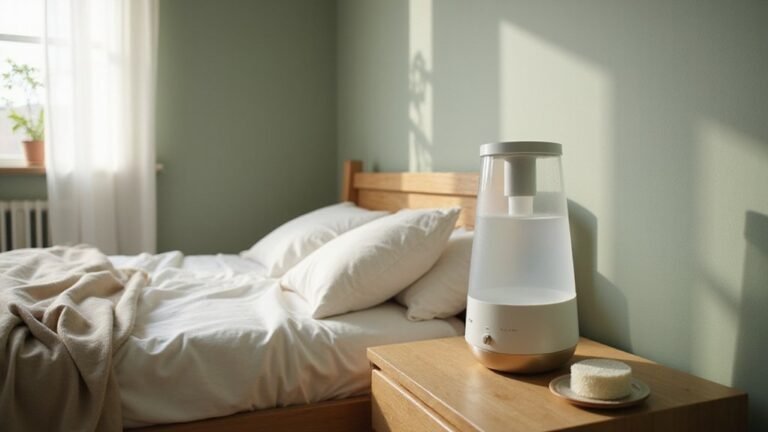
𝙁𝙖𝙨𝙩 𝙃𝙪𝙢𝙞𝙙𝙞𝙛𝙞𝙘𝙖𝙩𝙞𝙤𝙣 𝘼𝙡𝙡 𝙉𝙞𝙜𝙝𝙩: Runs for up to 25 hours on low thanks to its SUPER LARGE capacity of 2.5 liters. The soothing moisture helps quickly relief congestion and dry throat.

[LARGE CAPACITY & LEAK-PROOF TOP FILLING] 2.1-gallon large room humidifier provides up to 48 hours of continuous use for all-night operation; leak-proof top-fill design allows easy water pouring without tilting or spills. 300mL/h mist output humidifies up to 500-800 sq.ft, making it the perfect humidifier large room, humidifiers for bedroom, air humidifier for home, living room and office.

𝐅𝐨𝐫𝐠𝐞𝐭 𝐚𝐛𝐨𝐮𝐭 𝐜𝐨𝐧𝐬𝐭𝐚𝐧𝐭 𝐫𝐞𝐟𝐢𝐥𝐥𝐬: With a 3L tank and convenient top-fill design, dreo humidifiers for bedroom offer up to 30 hours of long run time humidification in sleep mode, ensuring dry air is no longer an issue for your family, plants, and baby.
How to Test Your Air and Pick the Right Device?
To test your indoor humidity levels accurately, use a hygrometer and place it in a central location away from heat sources or moisture-generating appliances. Allow the device to stabilize for about 30 minutes to ensure correct readings. Check multiple rooms and at different times of day to identify patterns. If you notice condensation on windows or ice forming on the glass, your indoor humidity is too high, which suggests a dehumidifier would be beneficial. Conversely, if there’s no condensation and humidity levels stay consistently low, a humidifier can help bring moisture back into the air. A smart thermostat can also assist by automatically adjusting your home’s temperature and humidity to maintain optimal comfort. For those experiencing a dry cough, a humidifier with ultrasonic technology can provide targeted relief by adding fine moisture to the air. For more precise tracking, consider smart monitors that can reveal long-term trends. Keep in mind that improving ventilation naturally can also help balance humidity, but your readings will guide you to the most effective device choice. When evaluating equipment, weighing running cost helps determine the most economical long-term solution for your space. A sling psychrometer uses dry and wet bulb thermometers to calculate humidity based on evaporation effects.