6 HVAC Systems With Air Purifiers That Actually Clean Your Air
Funny you should ask about cleaner air right as allergy season hits your vents. Your HVAC system already moves air through every room, so adding a purifier turns it into a whole-home defense. You want real disinfection, not just a fancy filter. Some options use UV-C light, others use carbon or ozone-free scrubbers. Let’s break down six systems that actually deliver.
| APCO Carbon Cell Matrix HVAC UV Air Purifier |  | Most Popular | UV-C Power/Wattage: 16 VA UV-C lamp | UV Wavelength: Not specified | Installation Type: Duct mount, requires licensed contractor | VIEW LATEST PRICE | Read Our Analysis |
| TURBRO 72W HVAC UV Light with Airflow Sensor UV72PA |  | Professional Grade | UV-C Power/Wattage: 72W UV-C light | UV Wavelength: 253.7nm | Installation Type: Duct exterior mount, DIY with template | VIEW LATEST PRICE | Read Our Analysis |
| Air Scrubber Duct Mount System Whole Home Air Purifier 24V Ozone Free |  | Best Value | UV-C Power/Wattage: Not specified | UV Wavelength: Not specified | Installation Type: Duct mount, professional recommended | VIEW LATEST PRICE | Read Our Analysis |
| REKO R2000 HVAC UV Air Purifier | 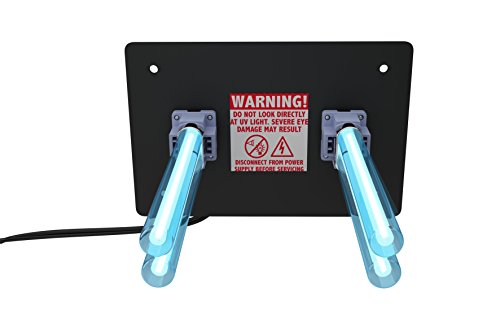 | Budget-Friendly Pick | UV-C Power/Wattage: Not specified (European-made UV-C bulbs) | UV Wavelength: 253.7nm | Installation Type: Duct mount, easy installation | VIEW LATEST PRICE | Read Our Analysis |
| VEVOR HVAC Air Purifier 18W 9inch Duct |  | Best for Small Spaces | UV-C Power/Wattage: 18W | UV Wavelength: Not specified | Installation Type: Duct mount, DIY with instructions | VIEW LATEST PRICE | Read Our Analysis |
| Air Health Haven Plus HVAC Air Purifier |  | Best Overall | UV-C Power/Wattage: 30-watt UV-C light | UV Wavelength: 253.7nm | Installation Type: Duct mount, DIY in ~15 minutes | VIEW LATEST PRICE | Read Our Analysis |
More Details on Our Top Picks
APCO Carbon Cell Matrix HVAC UV Air Purifier
You’re looking for whole-house air purification, and the most popular choice is the APCO Carbon Cell Matrix HVAC UV Air Purifier. It’s model TUV-APCO-ER, designed for direct installation into your furnace or air handler. Activated carbon cells attract and trap odors and microbes, while a UV-C lamp (lasting one year) catalyzes their breakdown. This isn’t a standalone unit; it works with your existing filter for all-encompassing cleaning.
And here’s a critical benefit: that UV light prevents biofilm buildup on your coils. Even a 0.002 inch layer steals efficiency. This system protects your HVAC equipment, extends its lifespan, and neutralizes VOCs, allergens, and bacteria. No chemicals, no fuss.
Installation requires a licensed contractor. After that, it’s virtually maintenance free.
- UV-C Power/Wattage:16 VA UV-C lamp
- UV Wavelength:Not specified
- Installation Type:Duct mount, requires licensed contractor
- Ozone-Free Certification:Not specified
- Additional Filtration Technology:Self-cleaning activated carbon cells + UV catalysis
- Lamp/Bulb Lifespan:1 year
- Additional Feature:Self-cleaning carbon cells
- Additional Feature:UV light catalyzes cells
- Additional Feature:Prevents biofilm coil buildup
TURBRO 72W HVAC UV Light with Airflow Sensor UV72PA
If you’re managing a commercial or high traffic space, this is professional grade disinfection. The TURBRO 72W UV light blasts a powerful 253.7nm wavelength, stronger than lower wattage lamps, to knock out airborne contaminants. It’s got an airflow sensor, so the UV light only activates when your HVAC runs, saving energy. You get two modes: continuous HOLD or AIRFLOW for on demand use. Installation is straightforward: drill, insert the lamp into the duct, and secure the ballast. It’s ETL listed and meets EPA and CARB ozone standards. Just confirm 16 inches of clearance and a nearby socket.
- UV-C Power/Wattage:72W UV-C light
- UV Wavelength:253.7nm
- Installation Type:Duct exterior mount, DIY with template
- Ozone-Free Certification:EPA and CARB compliant (<0.05 ppm ozone)
- Additional Filtration Technology:UV-C only
- Lamp/Bulb Lifespan:Not specified
- Additional Feature:Airflow sensor activation
- Additional Feature:Two operation modes
- Additional Feature:EPA/CARB ozone compliant
Air Scrubber Duct Mount System Whole Home Air Purifier 24V Ozone Free
The Air Scrubber Duct Mount System is your clear value play for whole home purification, covering up to 3,000 sq. ft. while producing zero ozone. It mounts directly into your HVAC ductwork, so it scrubs air as it cycles through every room. And here’s the kicker: it actively responds the moment it detects airborne pollutants like a sneeze. You’ll breathe easier knowing it’s certified safe for kids and pets. Installation is straightforward with the included manual, though you’ll want to replace the cell bulbs every two years. Perfect for busy homes, offices, or schools.
- UV-C Power/Wattage:Not specified
- UV Wavelength:Not specified
- Installation Type:Duct mount, professional recommended
- Ozone-Free Certification:Certified zero ozone
- Additional Filtration Technology:Active air scrubbing technology
- Lamp/Bulb Lifespan:Replaceable within 2 years
- Additional Feature:Covers up to 3,000 sq. ft.
- Additional Feature:Active cleaning on detection
- Additional Feature:Cell bulbs replaceable within 2 years
REKO R2000 HVAC UV Air Purifier
Whole house air cleaning doesn’t have to mean a huge investment, and the REKO R2000 is our budget-friendly pick for duct mounted UV purification. You’ll get European-made bulbs emitting 253.7NM UV-C light, which inactivates bacteria, viruses, and airborne pathogens as air flows past. Installation is straightforward: just mount it in your duct, plug it into a 120V outlet, and you’re set. The 9-foot power cord gives you flexibility for placement. And it’s EPA certified (Est No 96373-FL-1), so you know it meets safety standards. At 8 x 8 x 9 inches, it’s compact but powerful. Cleaner air, no fuss!
- UV-C Power/Wattage:Not specified (European-made UV-C bulbs)
- UV Wavelength:253.7nm
- Installation Type:Duct mount, easy installation
- Ozone-Free Certification:EPA registered (Est No 96373-FL-1)
- Additional Filtration Technology:UV-C only
- Lamp/Bulb Lifespan:Not specified
- Additional Feature:European-made UV-C bulbs
- Additional Feature:9-foot power cord
- Additional Feature:EPA Est No 96373-FL-1
VEVOR HVAC Air Purifier 18W 9inch Duct
You’re dealing with tight spaces where bulky purifiers just won’t cut it, and that’s exactly where this unit shines. The VEVOR 9-inch, 18W model installs directly into your HVAC duct, cleaning air across up to 30 square meters. It uses three methods: photocatalysis, activated carbon, and UV light, all working together to zap contaminants right in the ductwork. Each lamp lasts about 8,000 hours, so you won’t replace it often. Just don’t flip it on and off constantly. Assembly is a breeze with the knob-fastened cover and included adapter. You’ll appreciate the simple mechanical switch and LED indicator. Perfect for homes, schools, or offices!
- UV-C Power/Wattage:18W
- UV Wavelength:Not specified
- Installation Type:Duct mount, DIY with instructions
- Ozone-Free Certification:Not specified
- Additional Filtration Technology:Photocatalysis + activated carbon + UV
- Lamp/Bulb Lifespan:8,000 hours
- Additional Feature:8,000-hour lamp lifespan
- Additional Feature:Knob-fastened disassembly
- Additional Feature:Effective for 20-30㎡ area
Air Health Haven Plus HVAC Air Purifier
For anyone prioritizing indoor air quality without sacrificing installation simplicity or safety, this unit stands out as a solid all around performer. You’ll get a powerful 16-inch, 30-watt UV-C light blasting bacteria, viruses, mold, and fungi as air cycles through your ducts. Plus, its Pro-Cell technology tackles VOCs from paint, carpets, and cleaners, while the self-cleaning permanent carbon filters neutralize odors.
Installation takes about 15 minutes. Mount it in the supply plenum near the A coil for best results. And here’s the kicker: it produces zero ozone, so you’re breathing safe, clean air backed by a 10-year limited warranty.
- UV-C Power/Wattage:30-watt UV-C light
- UV Wavelength:253.7nm
- Installation Type:Duct mount, DIY in ~15 minutes
- Ozone-Free Certification:Operates without producing ozone
- Additional Filtration Technology:Pro-Cell technology + PCO + permanent carbon filters
- Lamp/Bulb Lifespan:90-day warranty on UV-C lamp (10-year unit warranty)
- Additional Feature:Pro-Cell technology for VOCs
- Additional Feature:15-minute DIY installation
- Additional Feature:10-year limited unit warranty
Factors to Consider When Choosing Hvac With Air Purifier
Before you commit to any HVAC air purifier, you’ll need to weigh a handful of practical factors that can make or break your satisfaction. Start with your budget and the total cost range, including installation requirements that might demand professional ductwork or simple DIY mounting. Also, look closely at airflow and fan speed ratings, since a purifier that doesn’t match your system’s capacity won’t circulate clean air effectively, and don’t overlook germicidal UV-C output or filter replacement frequency, as both directly impact long-term maintenance and health benefits.
Budget & Cost Range
If you want to get the best value from an HVAC system with an air purifier, your budget should be your starting line, not just a final check. First, determine your budget range to immediately filter out what’s affordable for you. But don’t stop at the initial purchase price. You must weigh that against long term maintenance costs, like filter replacements or UV lamp changes. Those add up fast. Also, compare installation costs before you commit, ensuring everything fits within your total spend. Now, step back and evaluate the investment versus the real benefits you’ll get, like better air quality and energy efficiency. That’s how you guarantee true value for money. By thinking this way, you’ll avoid surprise expenses and pick a system that genuinely serves both your lungs and your wallet.
Installation Requirements
You’ll need to check a few key details before you commit. First, assure your duct sizes match the purifier’s specs—whether it needs a 9-inch or 16-inch duct. If it’s a tight fit, you might require modifications like drilling holes or adding mounting brackets.
Next, verify the electrical requirements. Check the voltage and power cord length so you can safely connect to existing outlets without stretching or using extension cords, which are a no-go.
Also confirm that the system allows easy access for maintenance tasks, like replacing UV lamps or filters, without disrupting your HVAC operation.
Finally, consider professional installation. It’s often necessary for handling airflow sensors, electrical connections, or local code compliance. Don’t skip this step if you want it done right!
Airflow & Fan Speed
Since airflow directly determines how much air your system can clean each minute, it’s one of the most critical factors when choosing an HVAC purifier. You want higher airflow rates here because they push more air through the filters, boosting overall air quality fast. But don’t just crank it to max. Adjustable fan speeds let you dial in the right balance. Crank it up for heavy pollutant removal, and you’ll get cleaner air quicker, though you’ll pay with higher energy use and noise. Drop it down for quieter nights or when you’re out. Consistent airflow matters too. It prevents dead zones where pollutants like dust or mold linger, so every corner of your space gets cleaned. And remember, proper airflow ensures purification technologies like activated carbon get enough contact time with the air. That’s how you get real results, not just a noisy box.
Germicidal UV-C Output
When you’re looking at germicidal UV-C output, wavelength and intensity matter most. The sweet spot is around 253.7nm, the wavelength that zaps bacteria, viruses, and other microbes best. But intensity is key, too. You need enough UV-C output, measured in microwatts per square centimeter (µW/cm²), to actually reach the air and surfaces where germs hide. Higher output means faster, more thorough destruction.
Filter Replacement Frequency
How often do you need to swap out your HVAC air purifier filters? It depends on your filter type and your home’s pollution load. Activated carbon filters, great for odors and chemicals, usually need replacing every 3 to 6 months. HEPA filters, trapping particles, last longer: typically 6 to 12 months, depending on usage and air quality. If you’ve got a UV air purifier with self-cleaning features, you’re in luck. Those filters can go several years, but plan to replace the UV lamp annually. Don’t ignore the schedule your manufacturer provides. But remember, if you smoke, have pets, or live in a dusty area, you’ll need to swap more often. Regular replacement keeps airflow strong and prevents dirt buildup. That means your system stays efficient and your air stays clean.
Voltage & Power Specs
Now let’s talk about voltage and power specs, because getting these wrong can literally trip up your whole setup. First, match the purifier’s voltage to your home’s supply, typically 120V or 240V. Mismatch that, and you’re looking at blown fuses or worse.
Next, glance at the wattage for that UV light or ionizer. Higher wattage usually means stronger germicidal punch, but it also hikes your energy bill. Check the VA or amp ratings too, since they reveal true efficiency. If your unit has airflow sensors or auto modes, verify those power specs align with your HVAC’s electrical capacity.
Here’s a quick checklist:
- Confirm voltage matches your panel.
- Compare wattage against operating costs.
- Ensure amp draw won’t overload circuits.
Get these right, and you’ll breathe easy on every level!
Noise Level Impact
Since you’ll likely run this system for hours on end, the noise it makes can quickly go from background detail to major annoyance. A quieter unit stays below 55 decibels, think a soft library hum, not a disruptive roar. Your fan speed is the main culprit: higher settings push more air but crank up the sound. Ultraviolet or filtration parts might add a slight buzz, but better designs keep it low. For bedrooms or quiet zones, you’ll want to prioritize low noise to protect sleep or focus. Check if the system includes acoustic insulation, it muffles operation before it reaches your living space. And remember, you don’t have to sacrifice clean air for quiet, but you should actively look for both.